























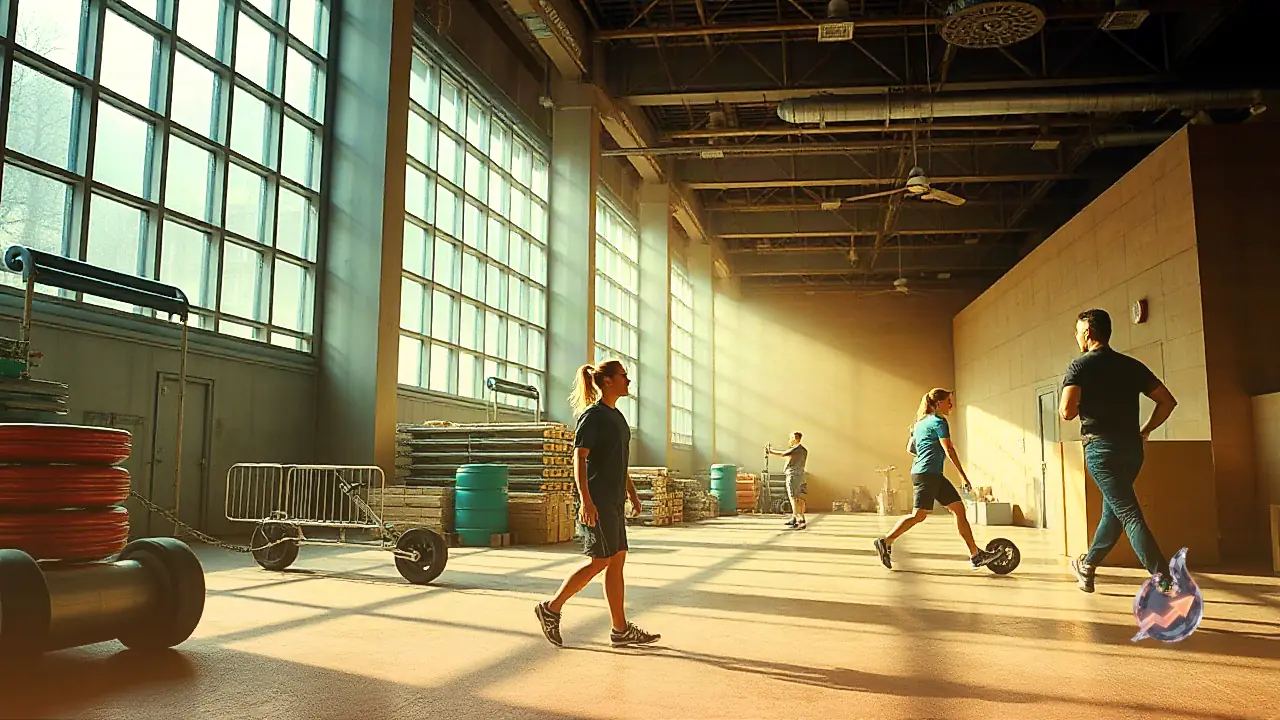

Selecting the ideal gym outfit before a workout often poses a dilemma for fitness enthusiasts: should one wear loose-fitting clothes or opt for snug, body-hugging attire? In reality, there is no single universal rule for workout wear. The ideal gym outfit depends heavily on the specific type of exercise being performed, prevailing weather conditions, personal comfort preferences, and the required range of motion. During high-intensity workouts, form-fitting activewear provides distinct advantages in safety and convenience. Conversely, for activities like yoga, stretching, and low-impact exercise, slightly relaxed clothing offers greater freedom. Above all, proper gym wear should never restrict bodily movement or require constant manual adjustments mid-workout.
Cardio and High-Speed Workouts: Why Form-Fitting Attire Works Best
When engaging in continuous, high-speed cardio routines such as treadmill running, outdoor jogging, stationary cycling, or rowing, stretchy and form-fitting garments are generally the most effective option. Wearing fitted leggings, streamlined running shorts, and compression-style or athletic-fit T-shirts ensures that the fabric stays close to the body throughout the entire workout session. This prevents excess fabric from flapping around, shifting unexpectedly, or interfering with rapid repetitive motions.
During long running sessions or intense cycling intervals, clothing that shifts up or down continuously can cause significant distraction and skin irritation. Choosing apparel crafted from technical moisture-wicking fabrics is equally crucial for cardio performance. These specialized materials actively pull sweat away from the skin toward the outer layer of the fabric, where it can evaporate quickly. This process keeps the body cool, dry, and free from chafing during prolonged physical exertion.
Strength and Weight Training: Balancing Flexibility and Visibility
During weightlifting routines, including foundational movements like squats, lunges, deadlifts, overhead presses, and bench presses, apparel must allow both the lifter and trainers to easily monitor body posture and biomechanics. For this reason, moderately fitted or light stretch clothes are far more practical than overly baggy attire. Fitted apparel provides a clear view of joint alignment and muscular contraction, making it easier to maintain proper execution form and reduce the risk of lifting injuries.
Furthermore, structured activewear eliminates the need to constantly readjust shirts or pants between sets, allowing lifters to maintain complete focus on their training regimen. However, lifters must ensure that their workout gear is not excessively tight. Clothing that restricts full respiratory expansion, compresses joints uncomfortably, or limits the natural motion of the arms and legs can hinder strength gains and compromise overall safety during heavy lifts.
High-Intensity Interval Training (HIIT): Preventing Gear Snags
High-Intensity Interval Training (HIIT) and circuit training sessions demand rapid, explosive movements such as box jumps, kettlebell swings, burpees, jump squats, and mountain climbers. For these dynamic athletic routines, body-conforming yet flexible apparel is highly functional. Form-fitting activewear moves synchronously with the body during fast transitions between exercises.
Loose or overly voluminous fabric presents a distinct practical risk during high-intensity training, as excess material can easily snag on workout machinery, catch on barbells or dumbbells, or cause trips during fast agility drills. Wearing streamlined tops, fitted shorts, or performance tights minimizes these operational hazards, ensuring a smooth, uninterrupted workout flow during fast-paced group classes or personal training sessions.
Yoga and Mobility Routines: Prioritizing Comfort and Flexibility
In contrast to dynamic cardio and heavy lifting, practices like yoga, deep stretching, Pilates, and joint mobility drills require the body to extend, bend, and twist in multiple directions. In these settings, overly tight or restrictive clothing can feel confining and uncomfortable. Choosing slightly relaxed, soft, and flexible activewear gives the body ample room to glide through complex postures without restriction.
Flowy athletic tops, relaxed training shorts, or soft stretch pants are excellent choices that support an uninhibited range of motion. However, exercisers should strike a balanced fit. Attire that is excessively loose or oversized may fall over the face during inverted yoga postures like downward dog, or drape awkwardly during floor stretches, requiring repeated repositioning that disrupts mental focus and fluid movement.
Warm-Up and Cool-Down Phase: Embracing Loose-Fit Layering
During the initial warm-up phase, as well as the post-workout cool-down period, many individuals prefer relaxed, slightly loose clothing. Oversized athletic shirts, loose hoodies, and relaxed jogger pants provide exceptional comfort while the body is gradually transitioning into activity or cooling down after an intense session. These looser layers help trap warm air around muscles before training and prevent sudden temperature drops afterward.
While loose layers excel during warm-up stretches or light walking, exercisers should remove excessively baggy outerwear before moving on to complex gym machinery or heavy weight stations. Transitioning to appropriate fitted activewear for main exercise sets prevents loose sleeves or pant legs from interfering with weight stacks, cables, or rotating pulleys.
Fabric Technology: Selecting Sweat-Wicking and Breathable Materials
Selecting gym clothing involves evaluating material properties just as carefully as physical fit. The fabric composition plays a vital role in regulating body temperature and managing perspiration. For workouts involving heavy sweating, lightweight, breathable, and moisture-wicking synthetic fibers such as polyester blends, nylon, and elastane are far superior to conventional cotton.
Standard cotton fabrics absorb large amounts of moisture without evaporating it quickly, leaving garments heavy, wet, and cold against the skin. In warm and humid environmental conditions, such as those common across India, damp cotton apparel can cause severe discomfort, skin friction, and body temperature imbalance. Investing in technical, breathable synthetic activewear helps keep the skin dry, cool, and comfortable throughout strenuous workouts.
Final Verdict: Key Considerations for Your Fitness Wardrobe
Ultimately, the single most important criterion for optimal gym attire is that it allows unhindered performance without demanding constant adjustments. For high-velocity cardio, strength training, and explosive HIIT routines, fitted and stretchy activewear delivers the ideal blend of safety, body awareness, and streamlined movement. For mind-body disciplines like yoga, mobility work, warm-ups, and cool-downs, a slightly relaxed fit offers superior relaxation and freedom.
When assembling a workout wardrobe, fitness enthusiasts should carefully evaluate the specific demands of their exercise discipline, seasonal climate conditions, and personal comfort priorities. Choosing the right balance between fit and fabric ensures that every workout remains safe, efficient, and comfortable.