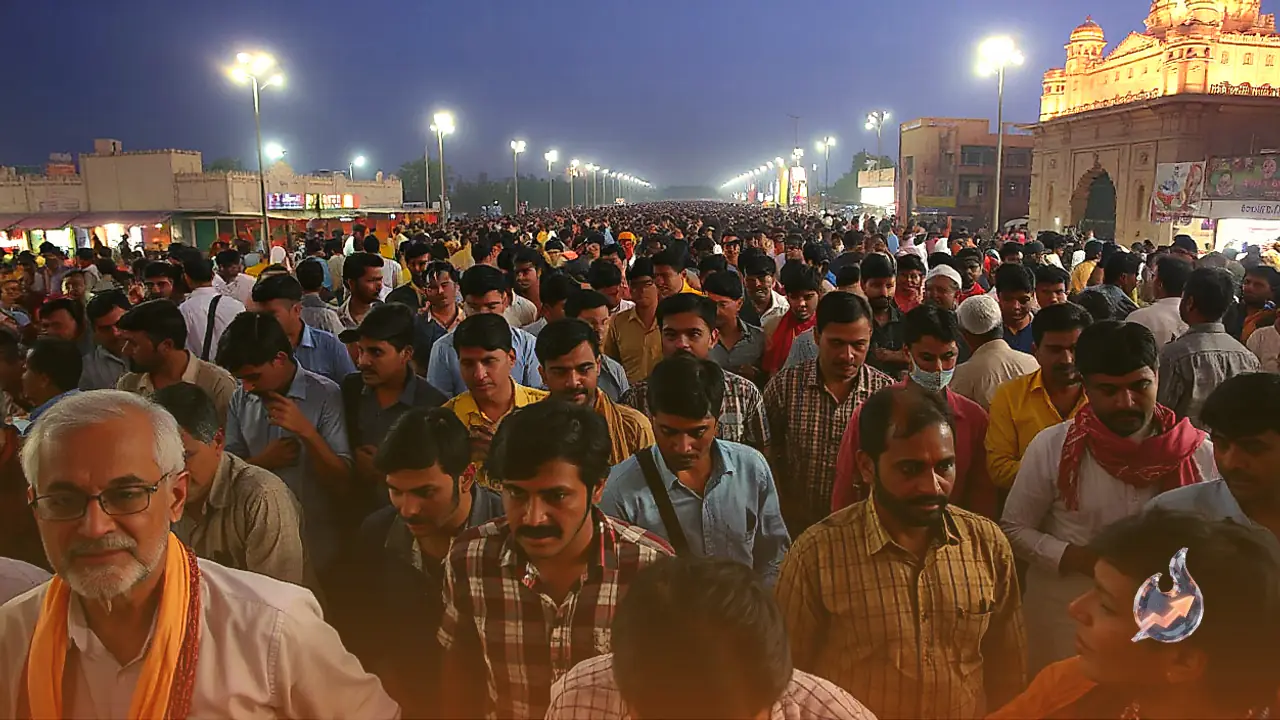
















The festival of Diwali represents far more than the brilliance of oil lamps; it is deeply rooted in thorough cleanliness, spiritual purification, and the circulation of renewed vitality throughout living spaces. Traditional beliefs hold that prosperity and divine blessings find a home where order, cleanliness, and sanctity prevail. For generations, families have used this pre-festive period to conduct intensive cleanings to welcome joy and peace. As households prepare for annual renovations and dusting routines, identifying and discarding specific items that create physical clutter or disrupt domestic harmony becomes an essential step.
Broken Utensils, Glassware, and Stalled Clocks
Vastu principles caution against retaining chipped cups, shattered glass panes, cracked plates, or broken metal utensils within living quarters. Such damaged goods are regarded as sources of lingering negative vibrations that compromise household peace, making their disposal an immediate priority. Stagnant or damaged timepieces are similarly problematic. In architectural and design wisdom, a stopped clock symbolizes halted momentum and hindered progress. Before the festivities commence, every stalled watch or wall clock should either be repaired to running condition or discarded entirely to allow positive developments to unfold.
Worn Footwear, Dried Shrubs, and Thorny Flora
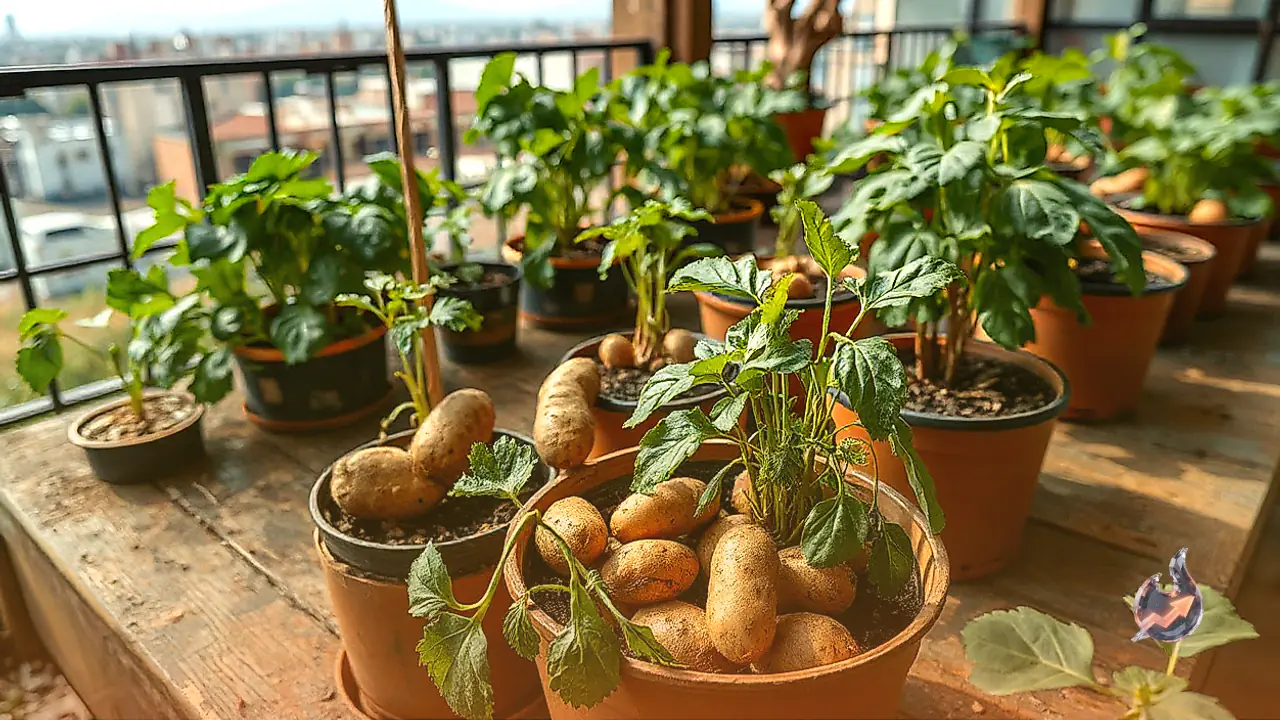
Old, torn, or abandoned shoes and slippers piled near entrance doorways or interior corridors are historically associated with deprivation and untidiness. Discarding unwearable footwear restores a welcoming entry to the premises. Plant selection also plays a significant role in defining the atmosphere. Withered vegetation or thorny species like cacti are considered unfavorable for domestic tranquility. Homeowners are advised to replace lifeless greenery with vibrant, propitious plants such as Tulsi or money plants to invite natural vitality and visual elegance.
Piles of Waste Paper and Defective Electronics
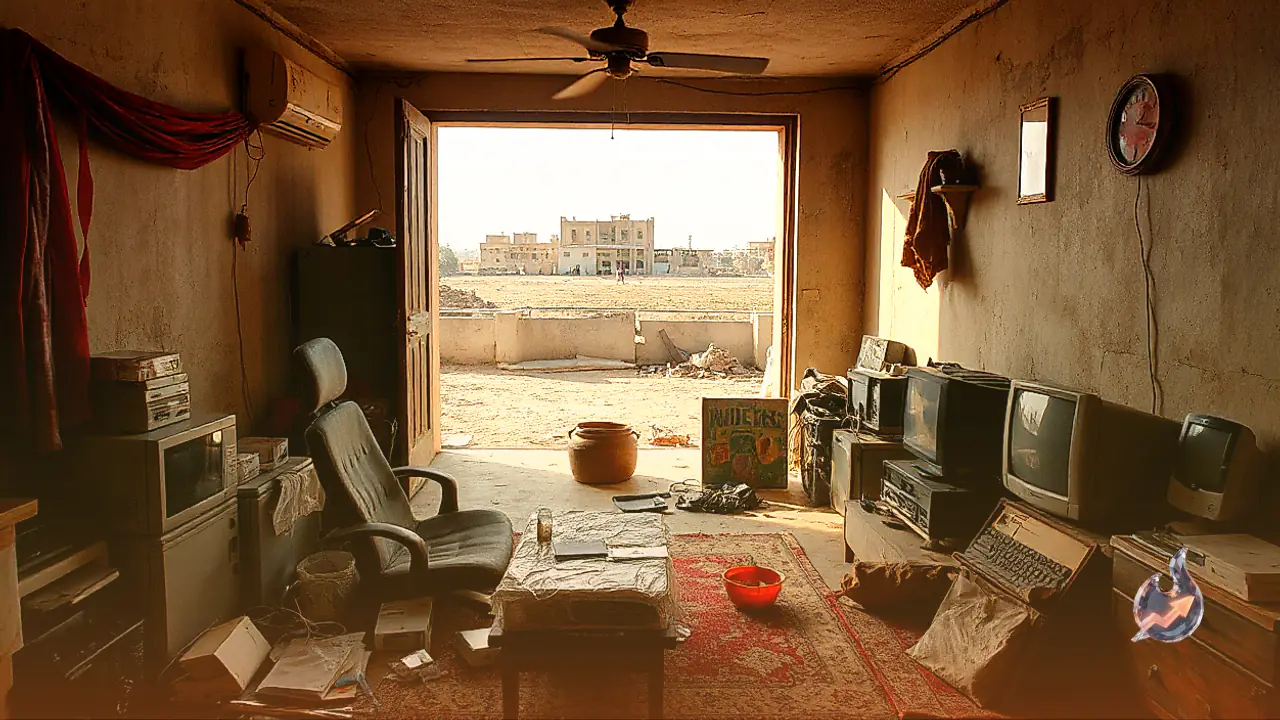
Stacks of outdated newspapers, magazines, and discarded documents accumulated over years do more than collect grime; they foster an environment of heaviness and stagnant energy. Sending these waste papers to recycling collectors clears useful space and simplifies daily maintenance. Similarly, malfunctioning appliances such as non-functional toasters, obsolete charging cables, burnt-out bulbs, and non-working tube lights frequently crowd drawers and storage areas. Retaining unusable electrical components is viewed as a barrier to smooth routine functioning, requiring their removal during pre-Diwali decluttering.
Damaged Artifacts, Expired Medications, and Corroded Iron
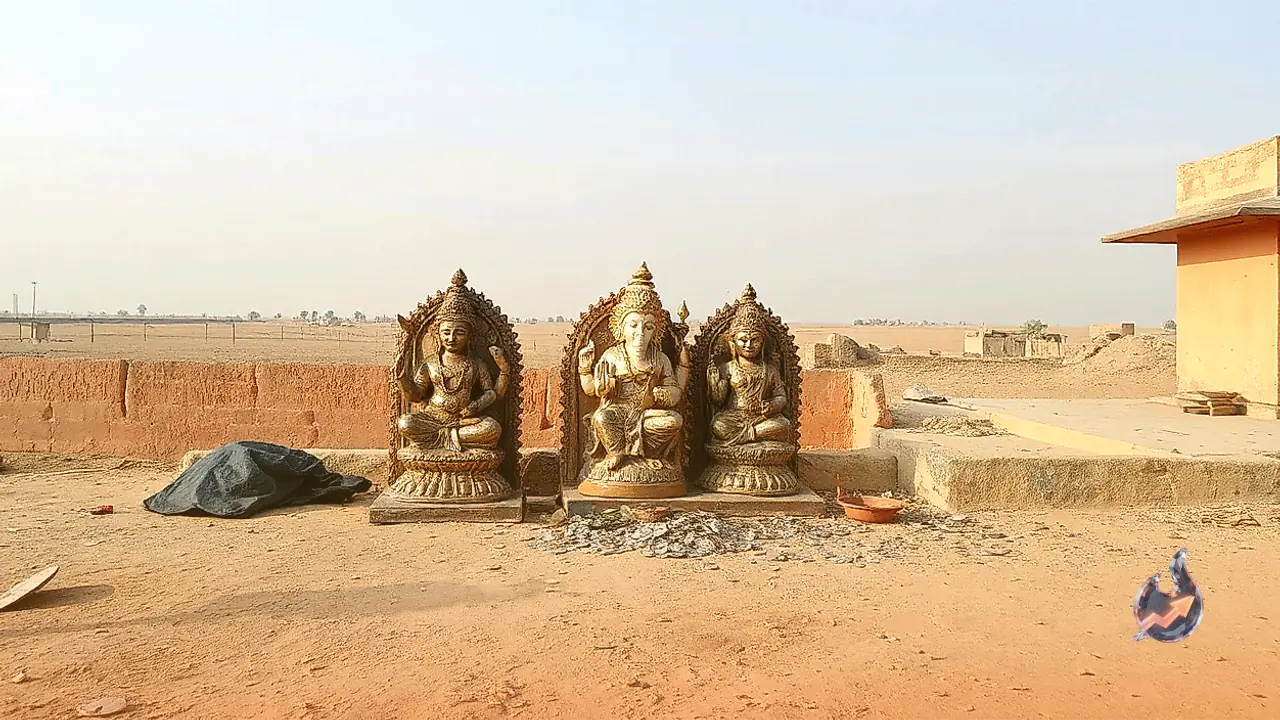
Preserving cracked picture frames or damaged sacred idols in prayer areas contradicts traditional norms of reverence. Damaged idols should be respectfully immersed in flowing natural waters prior to the festival rather than kept in closets. In terms of health safety, expired medications inside medicine boxes and degraded cosmetic creams or lotions in bathroom cabinets pose direct wellness hazards and demand swift purging. Finally, rusting iron scraps and tools, traditionally linked with burdensome energy and astrological heaviness, should be cleared out, alongside items associated with grief or prolonged stress, ensuring that the holiday opens with renewed cheer and optimism.