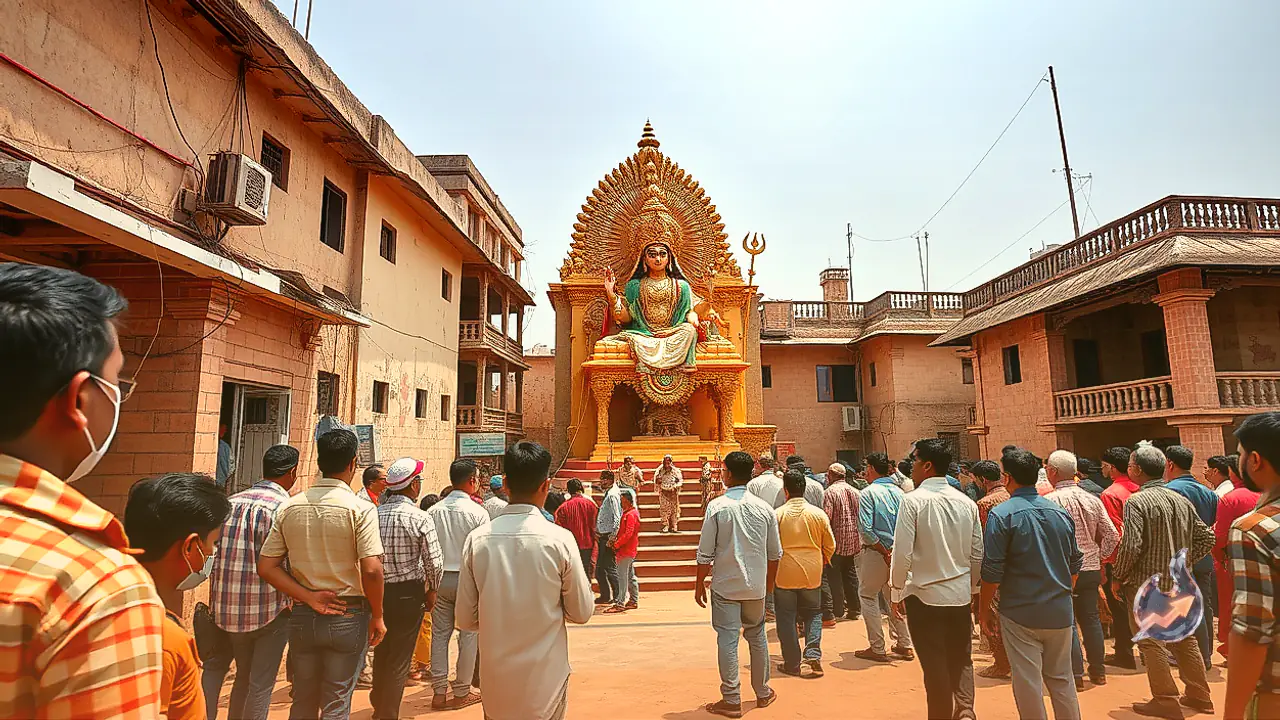

























During the auspicious festival of Navratri, while people across most regions of India observe rigorous fasting, fruit-only regimens, and strictly vegetarian meals, the eastern state of West Bengal comes alive in an entirely distinct cultural spirit. For Bengalis, Durga Puja is never merely a formal religious ritual; it represents the emotional heartbeat of the entire community, an intense sentiment that builds up across a full year of waiting. Yet, one facet of this grand celebration frequently baffles observers from other parts of the country: the open preparation, ritual offering, and consumption of fish and mutton during the festivities. Unpacking this distinctive culinary heritage reveals deep roots in regional philosophy, folklore, and everyday geography.
Welcoming the Beloved Daughter Back to Her Paternal Home
In Bengali cultural understanding, Goddess Durga is far more than an omnipotent deity sculpted in clay and stone; she is welcomed into every home as an affectionate daughter. Traditional lore holds that once every year, the mother goddess journeys down from Mount Kailash along with her four children: Kartik, Ganesh, Lakshmi, and Saraswati, returning to her maternal home in Bengal. This grand homecoming sparks unrestrained joy across towns and villages, encapsulated in the resonant phrase 'Asheche', heralding that the darling daughter has arrived.
When a cherished daughter returns to her parents after a long absence, no household would think of confining her meal to austere boiled porridge or simple fasting fare. Bengalis share an identical familial bond with Durga. Just as families prepare the most lavish feasts and treasured delicacies to indulge a visiting daughter, they welcome the goddess with sumptuous platters of fish, mutton, and quintessential local preparations. The celebratory spread is never treated as mere sustenance; it serves as a tangible expression of unconditional parental affection, indulging a daughter during her brief stay.
The Shakta Tradition and the Bond of Intimacy
While northern and western regions of India largely reflect Vaishnava tenets that emphasize vegetarian piety and ritual abstention during these days, Bengal is historically rooted in the Shakta lineage. Within this philosophical outlook, the goddess is revered as Adi Shakti, the primordial feminine dynamic, cosmic energy, and supreme mother of creation.
During the climactic ceremonies of Maha Ashtami and Maha Navami, as the rhythmic beat of the traditional dhak drums reverberates across puja pandals, sacred offerings are placed before the goddess following long-established customs. In numerous heritage households and historic shrines, animal sacrifice or specially cooked non-vegetarian offerings, prepared without onion and garlic, are reverently placed before the deity. These practices stem from a fundamental theological intimacy: worshippers believe the goddess is truly part of their household, graciously accepting the authentic food of the family rather than demanding distant, rigid austerity.
A Culture Forged by Rivers, Soil, and Fish
The culinary traditions of Bengal cannot be separated from its waterlogged terrain and fertile floodplains. Fed by massive river networks and proximity to the sea, the landscape has sustained human settlements through fishing for countless centuries. Fish in Bengal has never been an elite luxury or an occasional pastime; it forms the nutritional bedrock and daily economic lifeline of local families.
Within the fabric of Bengali society, fish is treated as an auspicious emblem of fertility, good fortune, and enduring prosperity. Virtually every milestone, wedding ritual, or auspicious ceremony incorporates fish as an essential harbinger of blessing. When regional geography and human culture merge so intimately, dietary staples naturally become sacred offerings. For a Bengali devotee, offering fish to the divine Mother is as genuine and reverent as offering milk, clarified butter, or sweets in other regional traditions.
A Festival of Love Rising Above Rigid Rituals
Across the four principal days of Durga Puja, the aroma of festive cooking wafts through every lane and neighborhood, mirroring the serene countenance of the clay idols and the vibrant joy on the faces of celebrants. The festival demonstrates how faith can transcend rigid dogma to celebrate pure familial love, kinship, and shared living. Once this deep sentiment is understood, the inclusion of fish and meat becomes entirely clear: it is nothing less than the ultimate symbol of love and devotion for a daughter who has returned home.