





















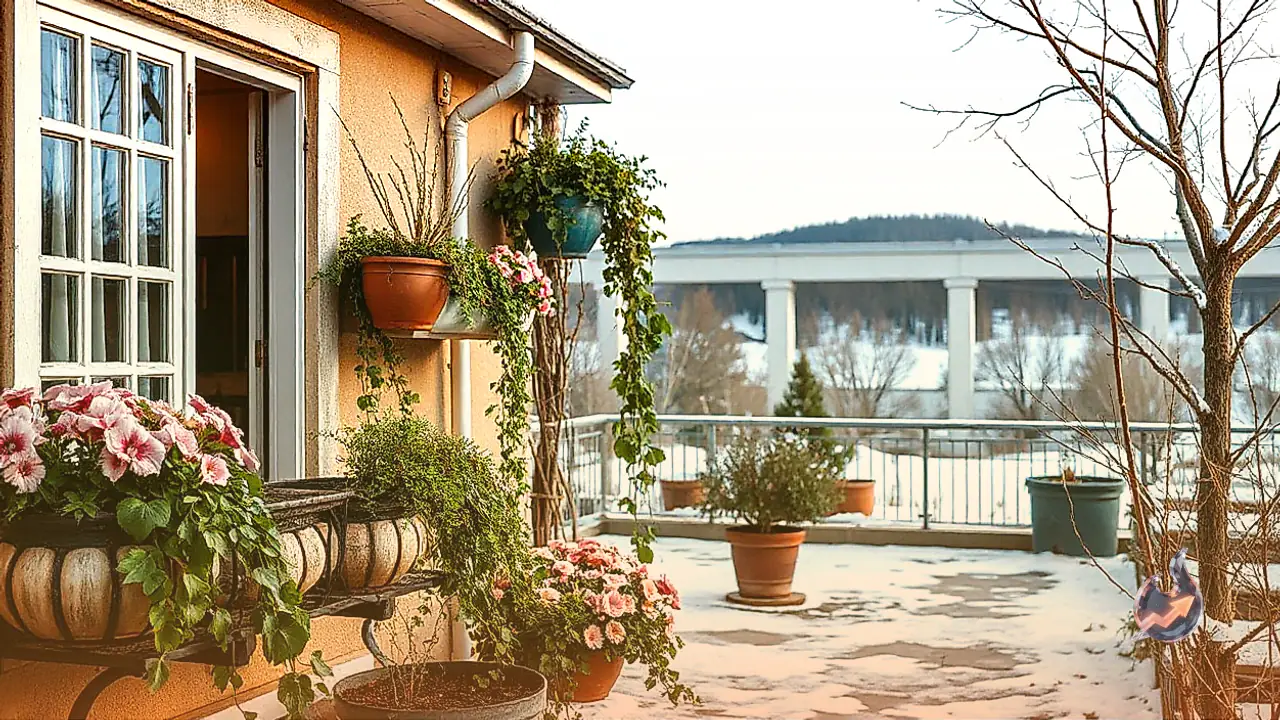

Creating a lush and lively balcony garden during the winter season becomes effortless when choosing the right variety of climbing vines. These vertical growers not only provide a natural curtain of vibrant foliage across railings and grills but also fill the living space with colourful blooms and soothing scents. According to Nek Singh, a professional nursery operator based in Moradabad, achieving healthy growth during the cooler months requires selecting resilient vine varieties and paying close attention to their foundational planting needs.
Top 5 Climbing Vines to Elevate Balcony Decor
Different vine varieties bring unique aesthetic textures and floral displays to home gardens. Nek Singh recommends five distinct climbers that adapt exceptionally well to domestic balconies: Curtain Creeper, Orange Flowering Vine, Jui, Mandevilla, and Madhumalti.
- Curtain Creeper (Parda Bel): Known for its dense cascading foliage, this vine spreads evenly across grills and nets to create an organic green screen, offering both visual privacy and a fresh backdrop.
- Jui: Favoured by gardeners who love fragrant flowers, Jui produces delicate white blooms that release a sweet and calming fragrance, keeping the balcony naturally perfumed.
- Mandevilla: Available in rich shades of red, pink, and white, Mandevilla is an eye-catching ornamental vine. When potted near balcony ledges or suspended in elevated planters, its branches gracefully trail downward, putting its vibrant flowers on full display.
- Madhumalti (Rangoon Creeper): Celebrated for vigorous foliage and continuous flowering, this vine produces dense clusters of blooms over an extended period, ensuring consistent colour throughout its growing phase.
- Orange Flowering Vine: Producing bright orange blossoms, this climber creates an intense visual contrast against deep green foliage, bringing instant warmth to winter mornings.
Selecting Large Planters for Unrestricted Root Growth
The container size chosen for climbing vines directly determines their long-term health and climbing capacity. Nek Singh emphasizes that growers should always choose spacious, large-sized pots rather than compact ones. Unlike shallow-rooted annuals, climbing vines develop extensive root networks that require plenty of room to expand. Placing them in undersized containers causes root binding, which restricts nutrient absorption and stunts vertical development. A roomy pot gives the root ball adequate volume, facilitating robust stem elongation and dense foliage.
Switching to Cocopeat and Vermicompost Potting Mediums
Traditional garden soil can become heavy and compacted in container settings, often leading to poor drainage during colder months. To overcome this, Nek Singh advises substituting heavy garden soil with cocopeat. Cocopeat offers a lightweight, airy texture that retains optimal moisture while ensuring proper root aeration. For balanced nutrition, combining cocopeat with organic vermicompost delivers essential nutrients directly to the root zone. This nutrient-rich blend encourages vigorous foliage production, strengthens plant immunity, and stimulates heavy flowering.
Ensuring Adequate Sunlight Exposure During Winter Months
Sunlight is another critical factor influencing vine performance throughout the winter season. Limited light exposure can slow down metabolic activity, cause leaf drop, and severely limit bud initiation. Gardeners must position their planters in sunny spots that receive consistent direct light throughout the daytime. If parts of the balcony remain shaded, shifting pots periodically to catch morning or afternoon sun helps sustain active growth. By combining large pots, a cocopeat and vermicompost growing mix, and steady winter sun, home gardeners can maintain a thriving floral sanctuary on their balconies.