






















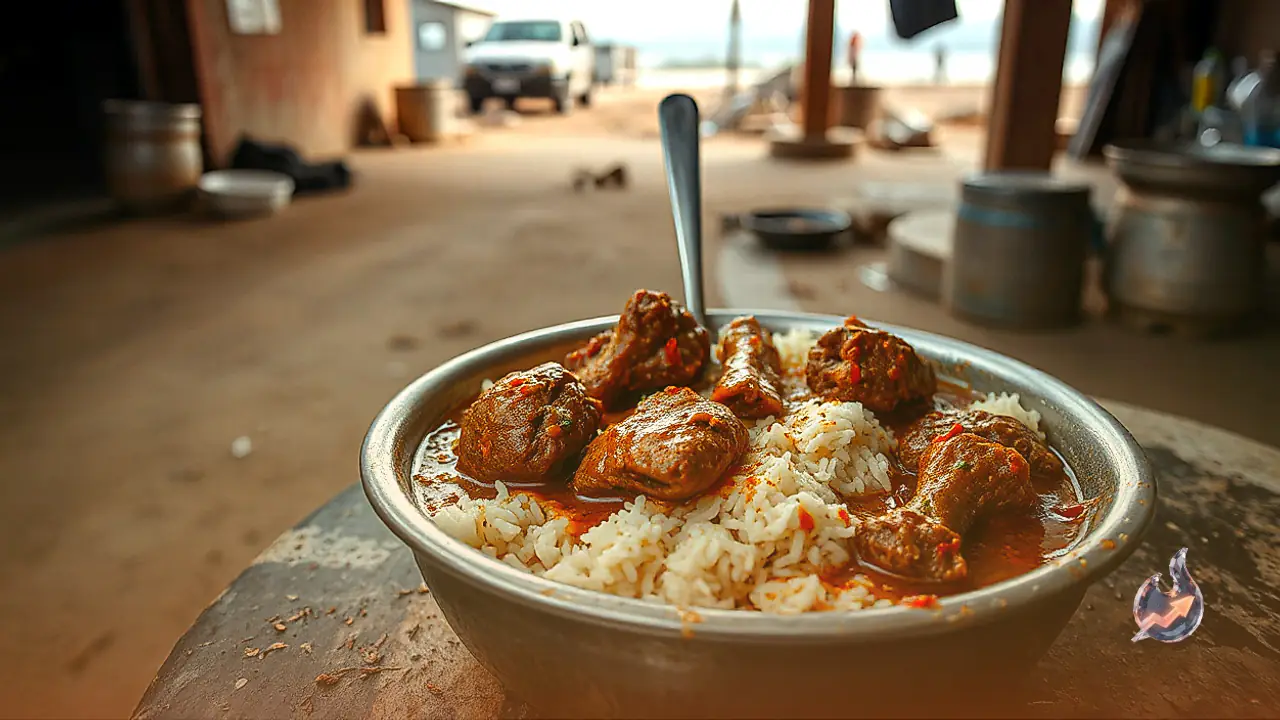

For lovers of meat and rice pairings, mutton tahari provides a deeply satisfying culinary experience that cuts out the complex layering required by traditional biryanis. In a classical layered dish, the meat korma and the parboiled grains are prepared separately before being assembled in alternating strata. Tahari simplifies the logistics without sacrificing an ounce of richness: the long-grain Basmati is poured directly into the seasoned, intensely aromatic mutton gravy so that every grain absorbs the savory essence of the meat. Finished with crisp browned onions, refreshing mint, and freshly chopped coriander, the final dish presents an irresistible aroma and hearty texture.
Cooking meat and rice within a single pot, however, should not be mistaken for throwing every ingredient together simultaneously. Bone-in mutton features dense connective tissues that require substantial simmering time to become tender, whereas delicate Basmati can overcook in a matter of minutes. Achieving perfection depends entirely on tenderizing the meat first, checking its texture, and only then adding the soaked grains with a strictly monitored volume of liquid. Whether prepared for a festive weekend lunch or a cozy family dinner, mutton tahari forms an all-inclusive centerpiece that needs nothing more than plain yogurt raita and crisp onion slices on the side.
Essential Ingredients and Accurate Measurements
To execute this recipe successfully, start with 700 grams of fresh bone-in mutton pieces and 500 grams of premium aged Basmati rice. For the aromatic gravy base, slice two small onions thinly, chop two medium tomatoes, and measure out two tablespoons of thick whisked curd along with one tablespoon of freshly prepared ginger-garlic paste.
The dry spice blend consists of one teaspoon of cumin powder, one teaspoon of red chili powder, one teaspoon of ground turmeric, and regular salt adjusted to taste. For brightness and finishing, set aside two tablespoons of fresh lemon juice, two tablespoons of finely chopped coriander leaves, one tablespoon of chopped mint, and a handful of fried sliced onions for topping. Gather cooking oil alongside whole spices including green cardamom pods, cinnamon sticks, cloves, and whole black peppercorns to infuse the fat. Fresh green chilies can be calibrated according to personal heat preference. This quantity yields enough portions for a generous family gathering, though ingredients can easily be scaled proportionally for smaller households.
Marinating the Mutton in Spiced Curd
Rinse the mutton pieces thoroughly and transfer them into a spacious mixing bowl. Add the thick curd, ginger-garlic paste, red chili powder, turmeric, cumin powder, and a generous pinch of salt. Incorporate a portion of the chopped mint leaves, fresh coriander, and sliced green chilies directly into the bowl.
Using a spatula or clean hands, massage the marinade into every cut of meat, ensuring even coverage across all sides. Seal the bowl securely and place it inside the refrigerator while attending to the remaining prep work. Raw meat coated in dairy and spices must never be left idling at warm ambient room temperature, as refrigeration preserves hygiene and locks in freshness. Hold back the lemon juice at this juncture, as adjusting acidity near the end of the cooking process offers far greater precision.
Rinsing and Hydrating the Basmati Grains
Measure the Basmati rice into a broad vessel and wash the grains gently under cold running water two to three times. Avoid rubbing the grains abrasively between your fingers, as long aged Basmati is brittle and prone to snapping. After washing away excess surface starch, submerge the grains in clean water and let them soak for roughly 20 to 30 minutes, or follow the explicit recommendations printed on the grain packaging.
Once the designated soaking period concludes, drain the liquid entirely using a colander and set the damp grains aside. The variety of rice and the precise duration of hydration directly dictate how much moisture the grains will absorb during pressurized cooking. Consequently, one must avoid dumping excess water into the cooker before assessing the volume of liquid already present in the simmering meat gravy.
Blooming Whole Spices and Browning the Sliced Onions
Heat a steady layer of cooking oil in a sturdy pressure cooker over medium heat. When the oil begins to shimmer, toss in the green cardamom, cinnamon quills, cloves, and whole black peppercorns. Allow these whole botanicals to sizzle briefly until their essential oils release a fragrant aroma into the fat, then introduce the thinly sliced onions.
Sauté the onions continuously over medium heat until they develop an even, golden-brown tint. Exercise vigilance here, as over-browning will impart a bitter taste to the finished gravy. If you have not prepared a batch of fried onions in advance for the final garnish, scoop out a small portion of these nicely browned slices right now and store them on a paper towel. Add the chopped tomatoes to the remaining onions in the cooker, cooking gently until the pieces soften and collapse into a jammy consistency.
Searing the Meat and Pressurizing the Base
Once the tomato-onion base has softened, introduce the marinated mutton into the cooker. Sauté the meat on medium flame, turning the pieces steadily so the curd and spices integrate smoothly with the onion paste without separating. If the masala threatens to scorch on the bottom of the pan, splash in a couple of spoonfuls of hot water and scrape the base clean.
Next, pour in sufficient water to submerge the meat for pressure cooking and lock the lid firmly in place. Always ensure the total volume of food and liquid remains safely below the maximum fill indicator stamped inside your pressure vessel. Because the size, cut, and age of the meat can vary dramatically, never assume that a rigid count of pressure whistles guarantees perfect tenderness.
Checking Tenderness Before Adding the Rice
Turn off the heat and allow the internal pressure of the cooker to subside naturally before attempting to unseal the lid. Open the vessel and inspect the mutton with a fork or the tip of a knife. The meat should be significantly tender at this stage, requiring only a brief final steam alongside the grains to reach melting perfection.
If the meat fibers remain tough or resistant, stir in a splash of additional water, re-seal the cooker, and cook for several more minutes. Introducing delicate rice into a pot of undercooked mutton is a recipe for disaster, as the rice will disintegrate into mush long before the meat softens. Taking a few extra minutes to verify tenderness ensures that the finished tahari retains its distinct, separate grains.
Calibrating Gravy Levels and Cooking the Grains
With the mutton suitably tender, tip the drained Basmati rice into the bubbling cooker. Scatter in the remaining chopped mint, fresh coriander leaves, and whole or slit green chilies. At this critical stage, gauge the exact level of liquid already resting in the pot before pouring in additional hot water.
Adjust the total liquid volume in strict accordance with your specific rice variety and cooker capacity. Taste the simmering liquid to balance the salt, then stir in the lemon juice gradually, mindful that the tomatoes and curd have already contributed natural acidity. Mix the ingredients using gentle, sweeping motions from the perimeter so the soaked rice does not break. Secure the lid and cook for the duration best suited to your cooker and heat source, bearing in mind that whistle counts differ substantially across stove setups.
Resting, Fluffing, and Serving the Dish
When the cooking cycle finishes, cut the heat and allow the cooker to depressurize on its own. Resisting the urge to pry open the lid prematurely preserves the internal steam that finalizes the cooking of the rice cores. Once unsealed, do not immediately stir the hot tahari with heavy utensils, as the hot grains are fragile.
Allow the steam to escape for five minutes, then gently fluff and fold the rice and meat using a broad, flat ladle or silicone spatula. Scatter the reserved golden fried onions and a flourish of fresh coriander across the top. Serve the steaming mutton tahari immediately alongside chilled cucumber-onion salad or simple plain yogurt raita. If any portions remain, let them cool down quickly and transfer them into an airtight container in the refrigerator rather than leaving meat and rice at room temperature.