















Indian wedding celebrations have always featured recurring character archetypes that add both unique flavor and considerable anxiety to family gatherings. The cultural conversation took a sharp turn when Prime Minister Narendra Modi used the analogy of the chronically displeased uncle to criticize political opponents, noting that certain critics behave just like a disgruntled relative who complains about minor flaws regardless of how lavish the arrangements are. This lighthearted political remark instantly transformed into a massive viral trend, sparking widespread discussions across family living rooms and marriage venues about the psychological drivers behind this unique behavioral pattern.
The Unofficial Quality Control Inspectors
A deep dive into traditional Indian wedding history reveals that this particular familial role historically functioned almost like a mobile inspection and quality control department. In older times when entire neighborhoods collaborated to pull off wedding ceremonies, the presence of such demanding relatives commanded immense attention. Every single detail, from the floral garlands used during welcoming ceremonies to seating arrangements, was subjected to intense scrutiny. In one notable historical anecdote from a traditional wedding, a visiting relative delayed the wedding procession right at the doorstep because the welcome garland lacked a sufficient proportion of specific flowers, forcing the groom's family to urgently source replacements from the market.
Legendary Tales of Tantrums and Apeasement
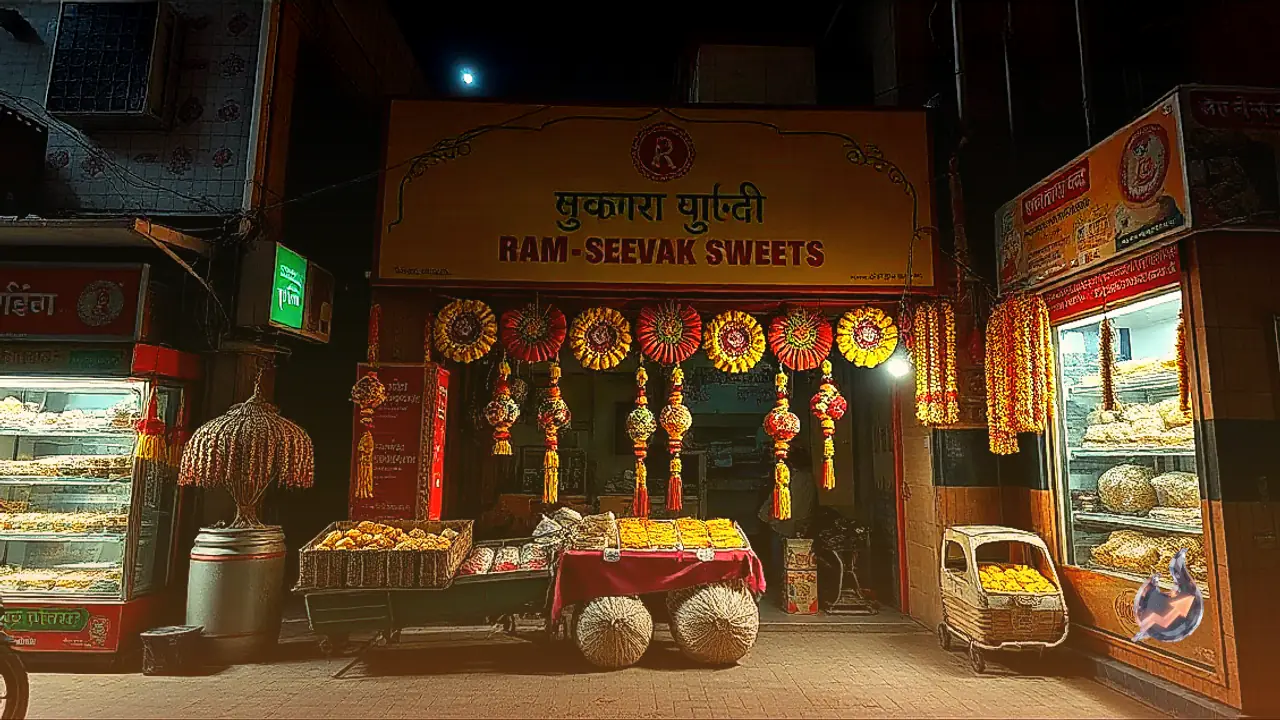
Another widely remembered incident from a village in Uttar Pradesh involved a senior relative who abruptly attempted to ride his motorcycle back home in the middle of the night simply because a specific sweet was missing from the dinner menu. This dramatic exit created absolute chaos among the organizers, ultimately forcing the groom to disembark from his ceremonial horse and personally appease the disgruntled guest. The situation was only resolved after middle-of-the-night favors were pulled to reopen a local sweet shop and pack special delicacies, showcasing the formidable power such tantrums once held over wedding logistics.
The Shift Toward Modern Pragmatism
The landscape of matrimonial celebrations has evolved dramatically with the advent of professional event planners and commercial caterers managing contemporary ceremonies. Today younger generations approach family dynamics with greater pragmatism, meaning that placating a disgruntled relative no longer requires hours of exhaustive emotional labor. If someone chooses to display displeasure at a modern reception, family members are far more likely to respond with casual humor rather than frantic panic. While nuclear family structures and fast-paced lifestyles have somewhat diminished the traditional intimidation factor associated with such figures, their cultural footprint remains entirely intact.
Digital Evolution and Internet Culture
In the current digital age, these archetypal figures have successfully transitioned from physical marriage marquees into viral WhatsApp group jokes and internet memes. Regardless of how sophisticated or high-tech wedding management becomes, the presence of an eternally unimpressed relative remains an essential spice in the recipe of Indian social traditions. Whenever a guest appears unexplainably moody at a celebration, it serves as a reminder that while the underlying systems of hosting have transformed completely, the classic wedding tantrum culture continues to thrive unabated.