






















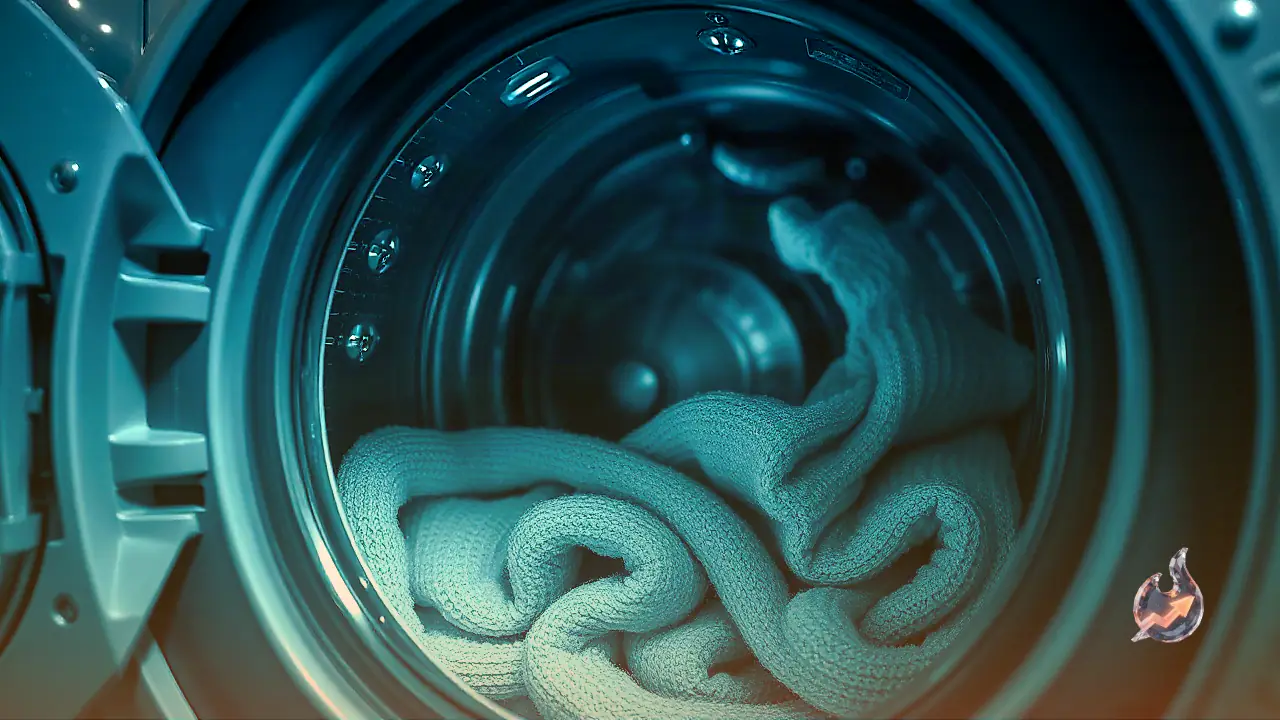

Forgetting to empty the washing machine right after a cycle ends is an extremely common household slip. When the door is finally opened hours later or the next morning, garments often release an overwhelming stench resembling rotten fabric or stale wastewater. What makes this problem worse is how quickly this unpleasant odor embeds itself permanently into the weave of garments, turning subsequent wears into a frustrating struggle. The explanation behind this persistence lies in textile science and microbiological reactions, where moisture, enclosed heat, and human perspiration form an ideal incubator for microscopic organisms.
The Microbial Culprit Behind Damp Laundry Odours
At standard room temperature, wet laundry sealed inside a dark appliance becomes an ideal habitat for microbial activity. Even after a standard wash cycle, microscopic dead skin cells and oily sebum secreted through human sweat remain lodged inside fabric threads. Surrounded by residual warmth and high humidity, a specific bacterium named Moraxella osloensis begins reproducing at an exponential rate.
A Japanese scientific study conducted in 2012 confirmed that Moraxella osloensis possesses remarkable resilience, surviving both complete drying and direct exposure to ultraviolet light. When wet garments are not removed promptly for proper aeration, these bacterial colonies feed on skin lipids and emit foul byproducts. Furthermore, research from 2025 revealed that washing machine rubber door seals and detergent dispensers frequently harbor slimy microbial layers known as biofilms. These colonized zones actively seed newly cleaned fabrics with odor-causing germs during the rinse cycle itself.
Fungal Growth and the Chemical Link to Rain Scents
Whenever damp garments stay trapped for extended periods, bacterial proliferation is quickly joined by opportunistic fungi. In poorly ventilated spaces and closed drums, mold and mildew take root across damp fibers, releasing airborne volatile organic compounds. One of the most dominant chemical molecules generated during this process is geosmin.
Geosmin is the identical chemical molecule responsible for petrichor, the earthy scent observed when raindrops hit parched soil. The human olfactory system is exceptionally sensitive to geosmin, capable of detecting even microscopic traces present in the surrounding air. When geosmin molecules blend with bacterial waste on damp textiles, the combination creates the distinct, sharp mildew smell that people instantly notice and find repulsive.
Why Synthetic Polyester Traps Sweat Worse Than Cotton
Fabric composition significantly dictates how severely garments will retain foul odors over time. Natural cotton is categorized as a hydrophilic textile, meaning its fibers readily attract and absorb water. This moisture-loving property prevents oily sweat lipids from finding deep hiding spots, allowing detergents and water to rinse them away relatively easily.
In contrast, synthetic polyester is hydrophobic, naturally repelling water molecules while demonstrating a strong affinity for body oils. Because polyester quickly binds with oily sebum, bacteria find a steady supply of nutrients clinging directly to the plastic polymers. A Canadian research study verified that polyester accumulates and retains significantly higher concentrations of odor-causing compounds compared to natural cotton. This behavioral difference explains why activewear and athletic synthetic gear frequently develop stubborn smells that survive normal laundering.
Practical Steps to Eliminate Stubborn Stenches for Good
Preventing persistent musty laundry smells begins with removing garments immediately after the wash cycle wraps up. If unpleasant scents have already penetrated the drum and clothing fibers, performing a thorough maintenance cleaning of the washing machine is essential.
Homeowners can sanitize the interior drum by running a dedicated cleaning cycle using white vinegar and baking soda to dismantle accumulated grime and microbial biofilms. Once washed, garments should always dry under adequate ventilation and direct sunlight so natural air currents disperse residual moisture. For athletic synthetic wear, switching to specialized sports detergents helps, as their tailored enzymatic formulas penetrate synthetic weaves to dissolve stubborn body oils and bacteria. Finally, keeping the appliance door cracked open between cycles lets internal humidity evaporate completely, preventing fungi from colonizing the seals.