























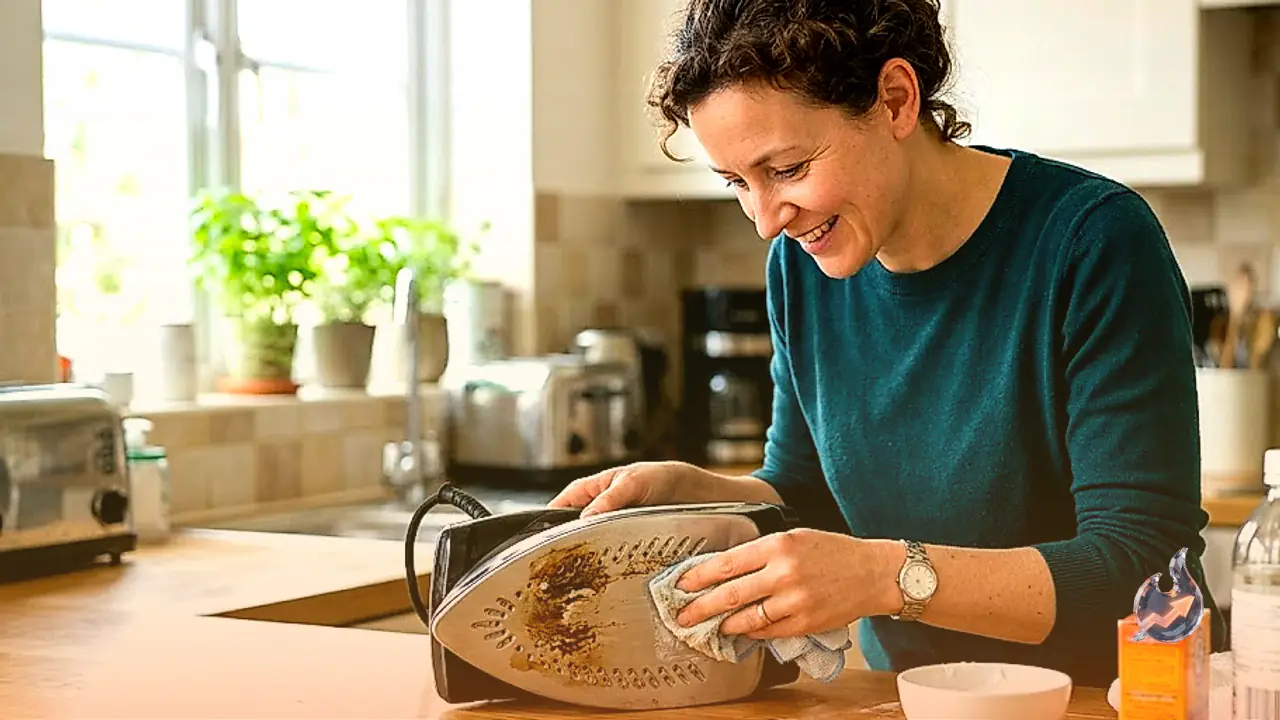

When pressing clothes, the sudden appearance of dark black or brown stains on fabric is almost always caused by built-up grime on the iron soleplate. Repeated use causes fabric fibers, ironing starch, and scorched threads to settle onto the heated metal base. While this accumulation begins as a faint layer, over time it hardens into a thick, burnt crust that ruins delicate garments. In many instances, the iron also starts emitting an unpleasant burnt odor during use. Fortunately, dealing with this annoyance does not require purchasing a replacement appliance, as several common household staples can effectively restore the surface.
Before undertaking any cleaning routine, protecting personal safety and preserving the equipment are the foremost priorities. Rushing through the task increases the danger of accidental burns or causing irreversible damage to the soleplate. Following systematic, gentle cleaning techniques ensures that stubborn scorched marks disappear safely.
Using Table Salt for Light and Fresh Residue
For soleplates that have only recently developed light buildup or mild scorching, plain table salt serves as an excellent cleaning medium. To apply this technique, warm the iron slightly on a low setting and immediately disconnect the power cord from the electrical socket. Spread an even layer of ordinary salt across a sturdy wooden board or a thick cotton towel.
Gently glide the warm soleplate back and forth over the bed of salt several times. The mild abrasive texture of the salt crystals helps loosen and dislodge the surface dirt without gouging the metal. Once the residue lifts away, let the appliance cool down completely. Finish by wiping the base thoroughly with a soft microfiber towel to eliminate any lingering debris. Take care throughout the process to ensure that loose salt grains do not slip inside the steam vents.
Applying Baking Soda Paste on Stubborn Crusts
When dealing with heavily charred marks and hardened debris that refuse to budge, baking soda provides a reliable solution. Prepare a thick paste by mixing a small quantity of baking soda with a few drops of clean water in a bowl. It is strictly essential that the iron remains completely cold and disconnected from any power source before applying this mixture.
Spread the dense paste directly onto the soiled sections of the soleplate, targeting only the stained patches. Allow the application to rest undisturbed for several minutes so the compound can break down the bonded grime. Next, take a soft cloth and gently wipe the treated surface using smooth circular motions. If tough spots linger, the process can be repeated safely. Once clean, use a damp microfiber cloth to remove all traces of baking soda residue. Never spread the paste over the steam holes to avoid internal clogging.
Lifting Sticky Film and Starch with White Vinegar
If the soleplate suffers from tacky starch film or greasy residues rather than hard carbon crusts, distilled white vinegar offers an ideal fix. Start with a completely cooled iron that has been pulled from the wall outlet. Pour a small splash of white vinegar onto a soft, lint-free cloth.
Wipe the metallic base steadily with the dampened cloth, allowing the mild acidity of the vinegar to dissolve the sticky film. Afterward, take a separate fresh cloth that is slightly damp with clean water and go over the soleplate once more to clear away any remaining vinegar traces. Cleaning solutions or liquids should never be poured directly into the iron or sprayed into the steam vents, as doing so can trigger electrical faults or internal corrosion.
Common Pitfalls to Avoid While Cleaning Soleplates
Impatience remains the primary reason iron plates suffer permanent destruction during maintenance. Scraping burned debris with knives, razor blades, screwdrivers, or any sharp metallic implement must be avoided under all circumstances. These tools gouge the metal plate, leaving deep scratches that subsequently snag and tear delicate fabrics during future pressing sessions.
Likewise, applying wet cleaning pastes directly onto a scorching-hot iron poses both burn hazards and potential thermal shock to the appliance. The unit must always be uncoupled from electricity and allowed to cool appropriately. In cases where the soleplate features a specialized non-stick coating, abrasive materials should be strictly avoided to prevent stripping away the protective surface layer.