




















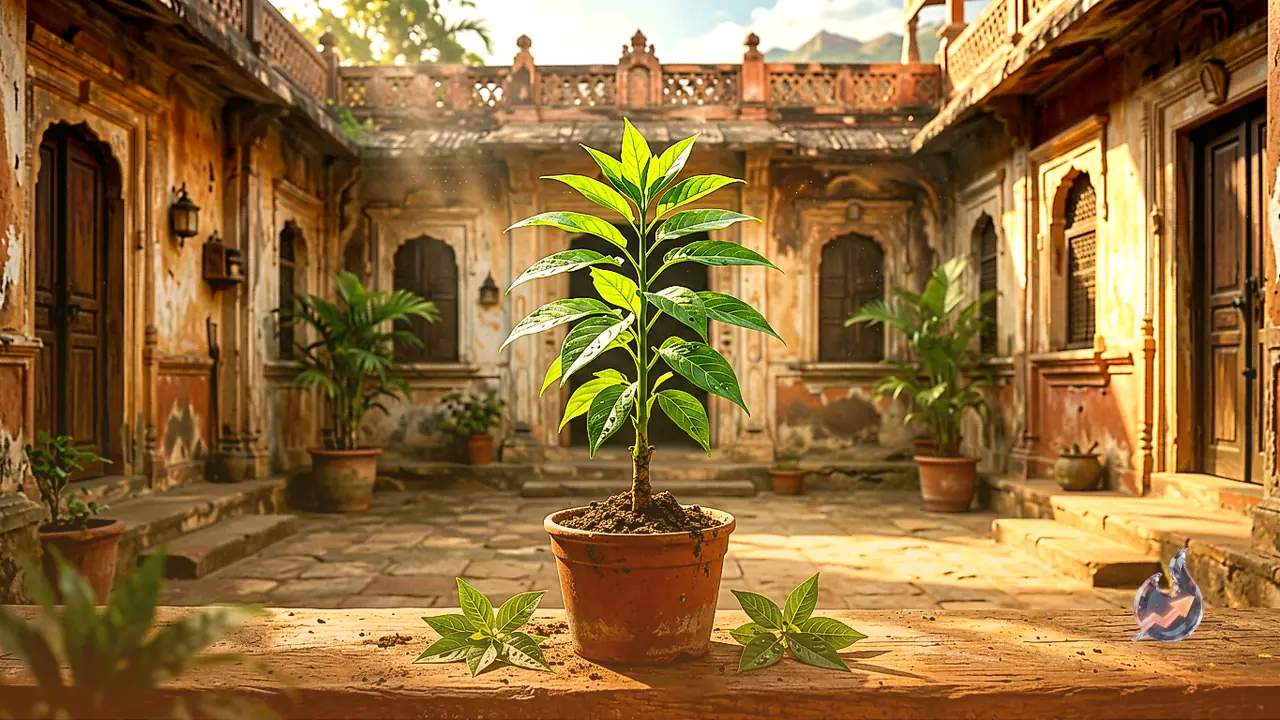

If you picture the layout of traditional old homes, a central open courtyard with a small raised Tulsi platform right in the middle immediately comes to mind. Days would begin right from that very spot, with family members watering the plant, lighting a lamp, and children playing nearby. While this custom feels deeply religious on the surface, it was actually tied to several practical aspects involving home architecture, cleanliness, and the natural environment. Back in those days, modern air purifiers, chemical mosquito repellents, and electric lighting in every corner of the house simply did not exist.
Architecture and Natural Ventilation
The structural design of old Indian houses was vastly different from modern apartments. Homes featured an open central courtyard where sunlight and fresh air could reach effortlessly. Placing the Tulsi plant in such a prominent location ensured it received adequate light while making it convenient for family members to tend to it daily. Watering the plant every morning and sweeping the surrounding area became an ingrained daily habit. A major side benefit of this small routine was that the central courtyard remained spotless, effortlessly blending religious tradition with personal hygiene and discipline.
Environmental Freshness and Aroma
Tulsi is an aromatic plant, and the natural oils found within its leaves release a distinct fragrance. Being around the plant creates a unique sense of freshness in the surroundings. Although certain popular claims regarding Tulsi, such as it eliminating all forms of pollution or releasing massive amounts of oxygen, are often exaggerated scientifically, having greenery indoors undoubtedly helps brighten the atmosphere and fosters a closer connection with nature. In older times, when homes relied heavily on natural ventilation, courtyard plants played an integral role in maintaining that wholesome ecosystem.
Pest Control and Everyday Wellness
Because of its strong scent and specific natural compounds, Tulsi has long been considered one of the plants that helps deter insects. In earlier times, modern options to repel mosquitoes and bugs were unavailable, making it common to keep aromatic plants nearby. However, relying solely on a Tulsi plant cannot guarantee complete protection from mosquitoes, making proper sanitation and preventing stagnant water during the monsoon much more critical. Furthermore, Tulsi leaves have been used in Indian households for generations in tea or herbal decoctions. During seasonal changes, people use it as a traditional home remedy for sore throats and common colds. This does not mean Tulsi is a cure-all for every ailment, and medical advice remains essential for serious or persistent health issues, but its accessibility made it a cornerstone of domestic life.
The Tulsi platform was much more than just a spot for a plant; it served as a focal point for daily routines and social interaction. Families would spend time around it, and women would clean the courtyard, sprinkle fresh water, and offer prayers every morning. In Hinduism, Tulsi holds a sacred status, and its leaves are considered indispensable in the worship of Lord Vishnu. This religious reverence made keeping the plant at home highly auspicious, ensuring the continuation of regular worship. Today, homes have shrunk, and open courtyards have been replaced by balconies or rooftops, yet the Tulsi plant remains a fixture in many households, blending age-old faith with modern green living.