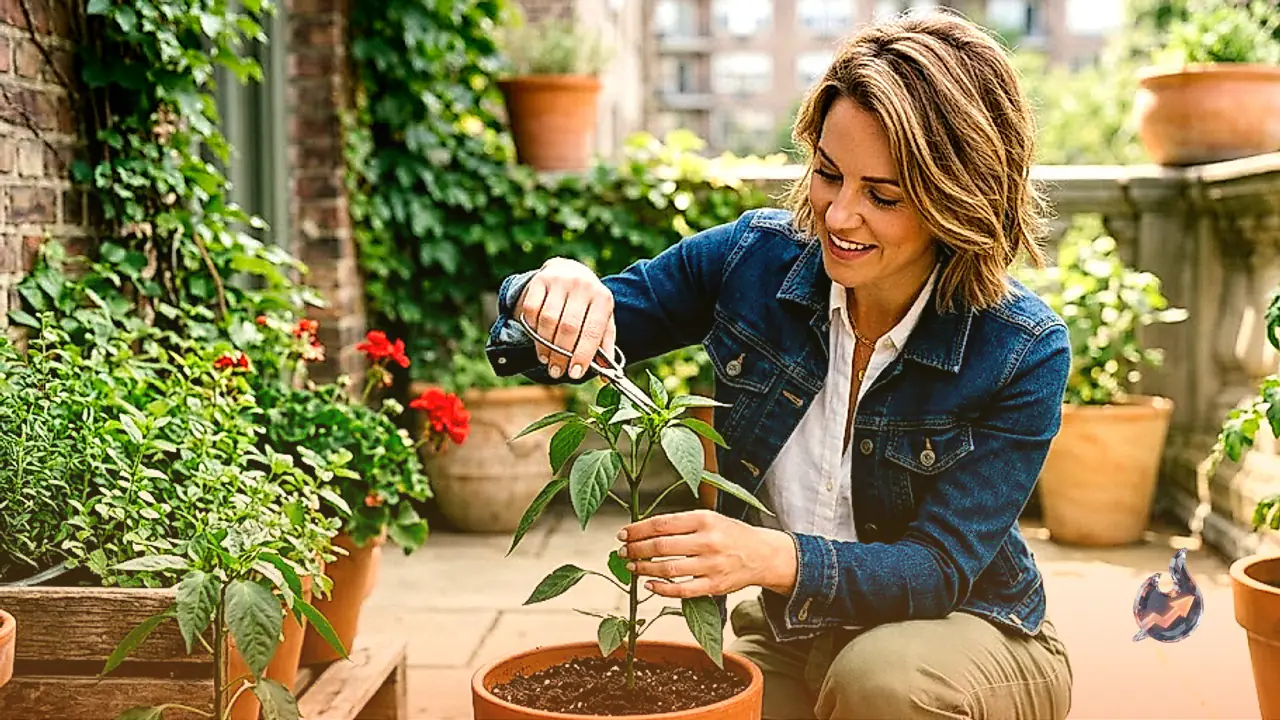






















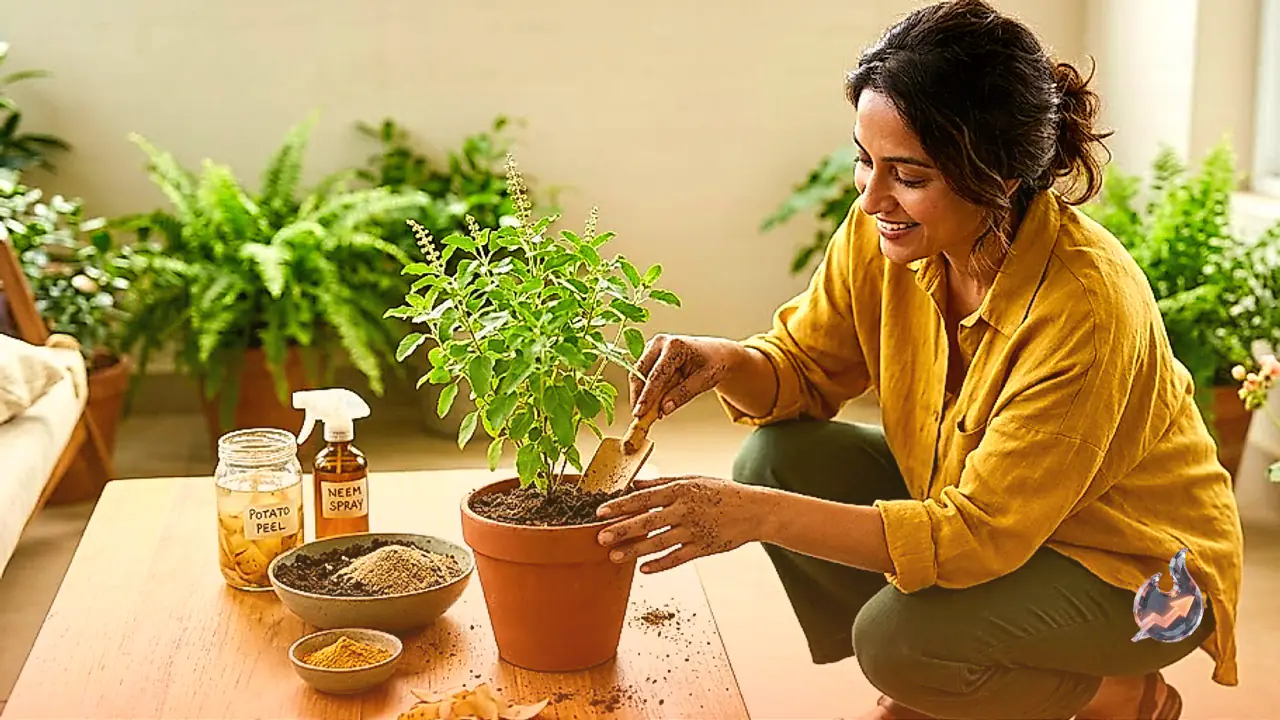

Maintaining a lush and thriving holy basil plant requires consistent attention, as slight lapses in care can quickly cause the leaves to wilt and the stems to dry out. Plant owners often find it difficult to determine whether the issue stems from under-watering, poor drainage, or an imbalance of essential nutrients. Excess moisture trapped around the roots is a frequent cause of decay and drying. When this occurs, deep tilling around the base of the plant is an effective first step. Mixing a small amount of sand into the loosened soil before returning it to the pot improves aeration and drainage, allowing trapped moisture to escape so the plant can regain its vitality. Along with proper soil aeration, several straightforward home remedies can effectively bring a withered plant back to life.
Combating Fungal Infection and Pests With Neem
When holy basil begins to wither due to pest attacks or fungal issues, neem provides a powerful natural solution. Grinding dried neem leaves into a fine powder and working it into the soil near the roots helps protect the root system. Alternatively, lightly crushed fresh neem leaves can be applied directly to the pot, leading to visible revival within just a few days. If the plant shows persistent fungal damage, applying neem cake or drenching the soil with water infused with boiled neem leaves clears out harmful pathogens. Spraying a diluted solution of neem oil over the leaves and branches also shields the plant against pest infestations and supports healthy foliage.
Liquid Nourishment From Raw Potato Peels
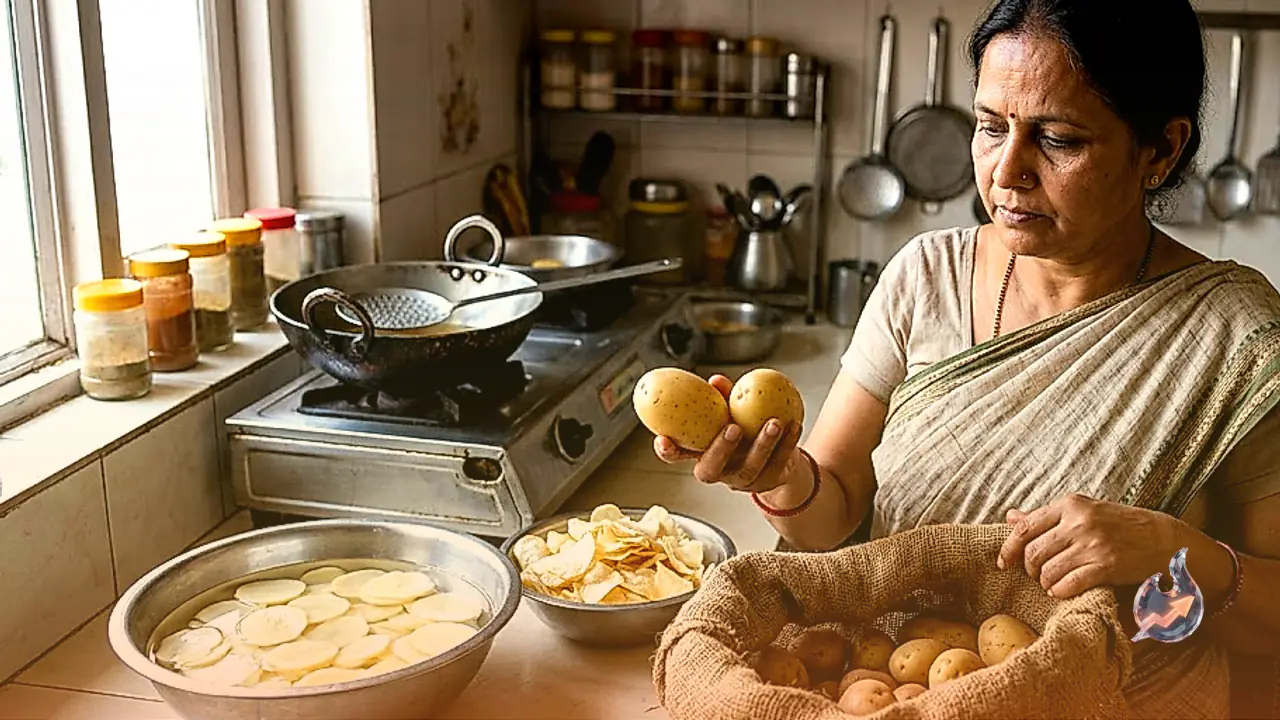
Providing mild organic nutrients helps stimulate fresh leaf growth and keeps the foliage vibrant. A potent liquid feed can be prepared using kitchen scraps, specifically raw potato peelings. To prepare this feed, take approximately 250 grams of raw potato peels and immerse them in 1 litre of water overnight. Over several hours, the water absorbs valuable minerals and soluble starches from the peels. In the morning, strain out the peels completely and pour the infused water directly into the soil of the holy basil container. This homemade liquid fertilizer can also be shared with other household potted plants to enhance overall plant vigour.
Yellow Mustard for Natural Nitrogen Enrichment
Nitrogen is essential for lush vegetative growth, prompting plants to develop dense foliage and sturdy lateral shoots. Yellow mustard seeds serve as an excellent household source of organic nitrogen for holy basil. Coarsely grinding yellow mustard seeds and blending the resulting meal into the soil around the base of the plant delivers a steady nutritional boost. This enrichment stimulates active branching and robust leaf growth, transforming a sparse stem into an expansive, densely leafed bush over time.