























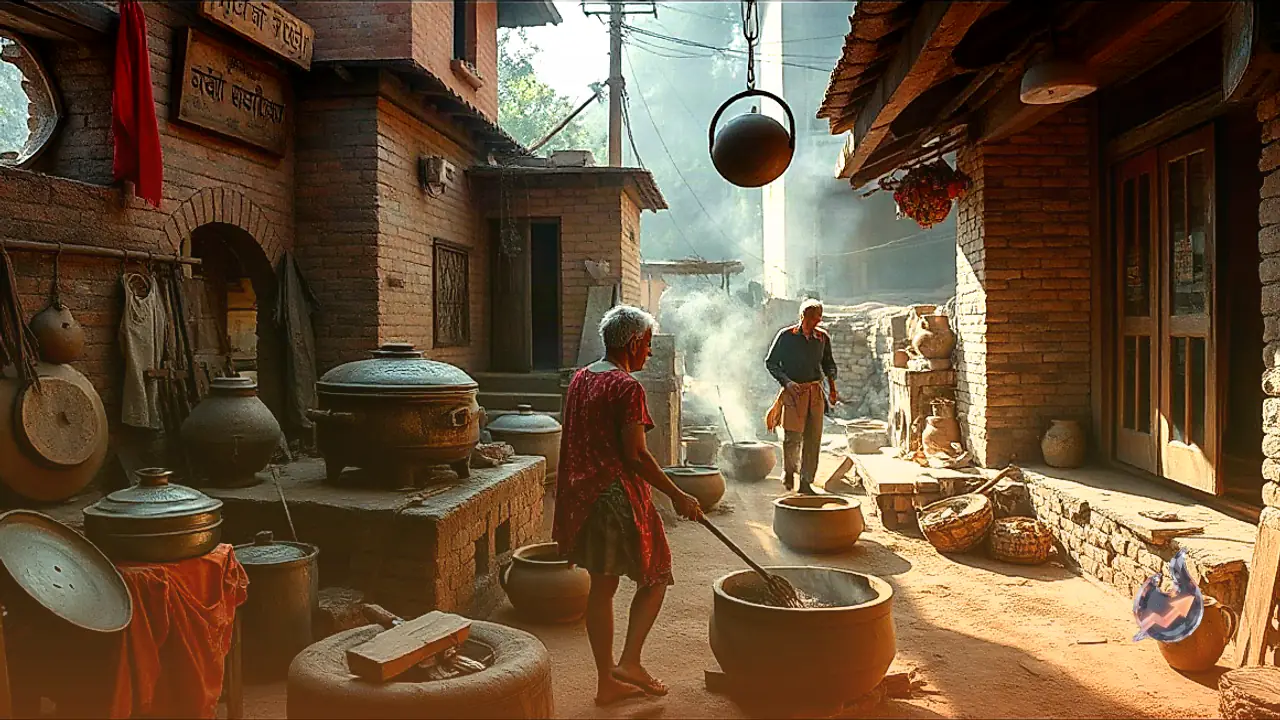

Across the mountainous regions of Uttarakhand, modern convenience has led to LPG gas cylinders and induction cooktops becoming staple features in most household kitchens. Despite this technological transition, traditional wood-fired and cow-dung cake stoves retain an irreplaceable charm. In remote mountain villages, the inviting aroma of slow-cooked lentils, vegetables, freshly baked flatbreads, and indigenous Pahadi delicacies continues to draw people toward the traditional hearth. The gradual simmering over low embers, combined with a subtle smoky note and the use of age-old cooking vessels, elevates the meal into a unique culinary experience. For residents, hearth-cooked food remains a comforting bridge to village heritage and nostalgic memories of mountain life.
The Science of Gentle Simmering and Deep Flavor Development
According to Sandesh Kohli, a local resident with deep knowledge of regional traditions, the thermal dynamics of a traditional firewood stove differ fundamentally from the intense, direct heat produced by a modern gas burner. While high gas flames force ingredients to boil rapidly, a wood-fired hearth allows food to cook at a slow, measured pace. This extended cooking time gives lentils, seasonal vegetables, and indigenous spices sufficient opportunity to soften, release their essential oils, and blend seamlessly together. Sandesh Kohli notes that traditional mountain dishes like Bhatt ki Dal (black soybean stew) and local vegetables require prolonged simmering over low heat to fully unlock their rich aromas and complex taste profiles. Although cooking over a wood stove demands patience, the resulting culinary depth cannot be replicated by high-speed modern appliances.
The Role of Natural Smoke and Flavor Variations
A defining characteristic of food prepared on a traditional stove is its distinctive earthy undertone and subtle smoky flavor. As dry firewood burns, the light smoke circulating around the cooking vessel gently infuses the rotis, gravies, and vegetables. This natural smoking process imparts a taste that sets hearth-cooked dishes apart from conventional gas-cooked meals. However, the intensity of this smoky aroma is not uniform; it varies depending on several factors, including the species of firewood burned, the structural geometry of the stove, the material of the cooking pots, and the specific culinary techniques employed by the cook.
Synergy of Clay and Heavy Iron Cookware
The culinary traditions of the Uttarakhand hills have long relied on iron and earthen cookware to enhance meals. Cooking lentils or vegetables in a heavy iron wok (kadhai) subtly alters their flavor profile and deepens their visual appeal, while unglazed clay pots infuse the food with a delicate earthy taste. To this day, many mountain households prefer preparing regional specialties such as Manduwa roti (finger millet flatbread), Bhatt ki dal, Aloo ke gutke (spiced potato stir-fry), and fresh mountain greens using these ancestral methods. The authentic character of these dishes stems not only from fresh local ingredients but also from the harmonious combination of low wood heat and traditional cookware.
The Hearth as a Social Hub and Winter Heating Source
Historically in mountain villages, the traditional hearth served a purpose far beyond culinary preparation. It functioned as the warm, social heart of the home, bringing family members together to sit around the fire, share stories, and assist in meal preparation. During harsh winter months, the radiant heat generated by the wood stove played a crucial role in warming the living space. Consequently, the connection to hearth-cooked food extends beyond mere taste, encapsulating the cultural heritage, family bonding, and communal lifestyle of traditional mountain living.
Health Risks of Wood Smoke and Essential Safety Measures
While the taste of hearth-cooked food is widely celebrated, the smoke generated by burning firewood or cow-dung cakes presents notable health hazards if improperly managed. Operating a stove in an enclosed or poorly ventilated space allows smoke to accumulate, leading to eye irritation and discomfort in the respiratory tract. Prolonged exposure to indoor wood smoke can contribute to long-term respiratory health issues. Therefore, in homes where traditional stoves remain in use, establishing adequate kitchen ventilation and cross-airflow is essential. Installing chimneys or dedicated smoke extraction systems is critical to safely channel smoke out of the living area.