






















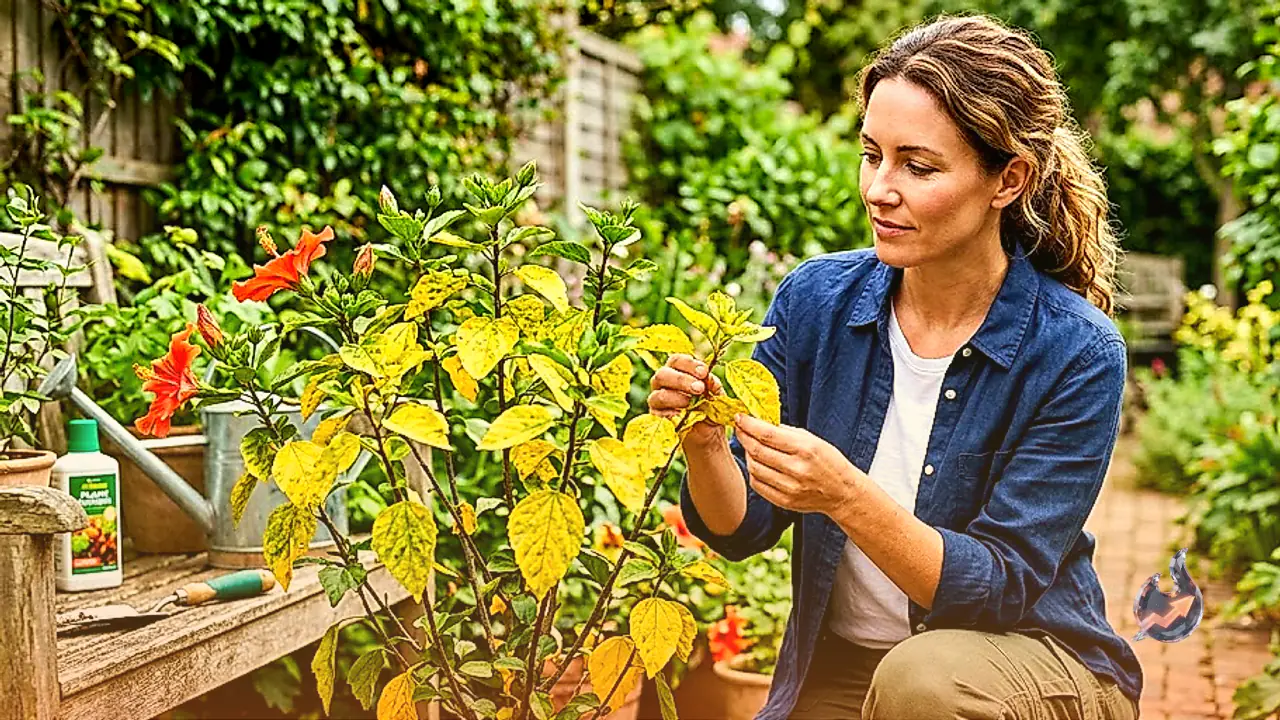

A healthy hibiscus displaying lush foliage and vibrant blooms is often the focal point of any home garden, terrace, or balcony. The contrast between rich green leaves and striking flowers serves as clear evidence of a plant thriving in its environment. However, many gardeners encounter sudden distressing situations where the foliage begins to lose its vibrant tone and turns pale yellow. In the early stages, the issue might appear on just one or two leaves, leading many to dismiss it as natural shedding. Over time, the yellowing can spread progressively across branches, giving the entire plant an exhausted and stressed appearance. Faced with this deterioration, gardeners frequently rush to conclusions, instantly pouring excess water into the pot or loading the soil with heavy doses of fertilizer. Taking such hasty steps without understanding the underlying distress can severely backfire, as yellowing leaves stem from multiple distinct factors rather than a simple lack of nutrients.
The Dangers of Saturated Soil and Overwatering
While the hibiscus plant appreciates steady moisture, keeping the potting mix continuously soaked is one of the quickest ways to damage its health. When water is added too frequently or in excess quantities, the tiny air pockets within the soil structure become completely filled with liquid. This prolonged saturation cuts off the vital oxygen supply that roots need to function properly. Without air, root health steadily declines, making it nearly impossible for the root system to transport water and essential minerals upward through the stems. Deprived of normal cellular nourishment, the foliage responds by turning yellow. Relying on an arbitrary daily watering routine often leads to serious complications. Instead of pouring water on a fixed schedule, gardeners should physically test the soil moisture by touching the top layer. If the soil surface feels damp or sticky, watering should be postponed until the excess moisture naturally recedes. Ensuring that the container has clear, unobstructed drainage holes at the base is equally critical so surplus water can exit freely.
Consequences of Extreme Dryness and Drought Stress
Excessive moisture poses significant dangers, but allowing the root zone to remain dry for prolonged stretches is equally harmful to the hibiscus. When the potting mix dries out completely on repeated occasions, the foliage suffers from acute moisture stress, leading to noticeable wilting followed by chlorosis or yellowing. A plant cannot follow a rigid calendar when it comes to hydration. Moisture requirements shift constantly based on seasonal conditions, outdoor temperatures, the physical dimensions of the pot, and the exact position where the plant is kept. Warm and breezy weather accelerates water evaporation from the soil, whereas humid or cooler intervals allow the medium to stay damp much longer. Observing the practical condition of the soil remains the only reliable metric for deciding when to hydrate the plant.
Insufficient Sunlight and Poor Exposure
Proper natural illumination is fundamental for a hibiscus to sustain steady growth and vibrant leaves. If a potted plant is positioned in a dim location or under heavy shade where natural light remains weak, its overall development falters. Inadequate lighting impedes normal energy synthesis, eventually draining the deep green pigment from the leaves and turning them distinctly yellow. Gardeners should position their plants in well-lit spots that receive ample natural daylight. However, adjustments must be managed thoughtfully according to weather dynamics. Placing a sensitive or already stressed plant directly under harsh, scorching heat during peak summer can cause shock. Moving the pot gradually while considering current atmospheric temperatures and the plant's general health ensures a smooth transition to better light conditions.
Compacted Soil Structure and Nutrient Imbalances
The texture and condition of the potting soil play an instrumental role in maintaining a vigorous root network. Over extended periods, ordinary garden soil inside containers can become dense, heavy, and compacted, which prevents roots from expanding and breathing properly. Compacted earth obstructs smooth drainage, trapping water in some pockets while starving others. When encountering such physical resistance, checking the soil structure becomes imperative. If necessary, replacing the stiff medium with a fresh, airy, high-quality potting mix can provide immediate relief to struggling roots. Similarly, if the soil has been stripped of essential nutrients over an extended timeframe and the plant shows stunted vegetative growth, applying a balanced plant fertilizer can assist recovery. Nevertheless, increasing fertilizer amounts haphazardly is never a solution. Excessive feeding introduces fertilizer burn, directly damaging delicate feeder roots and worsening leaf discoloration.
Spotting Pests Hidden on the Underside of Leaves
When hydration, light, and soil consistency appear well balanced yet leaves continue to turn yellow, a closer physical examination of the foliage is required. Gardeners should carefully inspect the underside of the leaf surfaces, tender new shoots, and nodal joints along the stems. These sheltered spots frequently harbor tiny insect colonies, sticky residue, or unusual spots. Sap-sucking pests quietly weaken the plant by draining vital fluids directly from the leaf veins, triggering widespread yellowing. Upon discovering such abnormalities, correctly identifying the specific pest is the essential first step. Rushing into treatments with harsh synthetic chemicals or untested home remedies can inflict additional chemical stress on the plant. Removing heavily infested leaves helps contain the spread and makes ongoing monitoring far simpler. Methodically addressing one variable at a time ensures the plant regains its vitality without enduring shock.