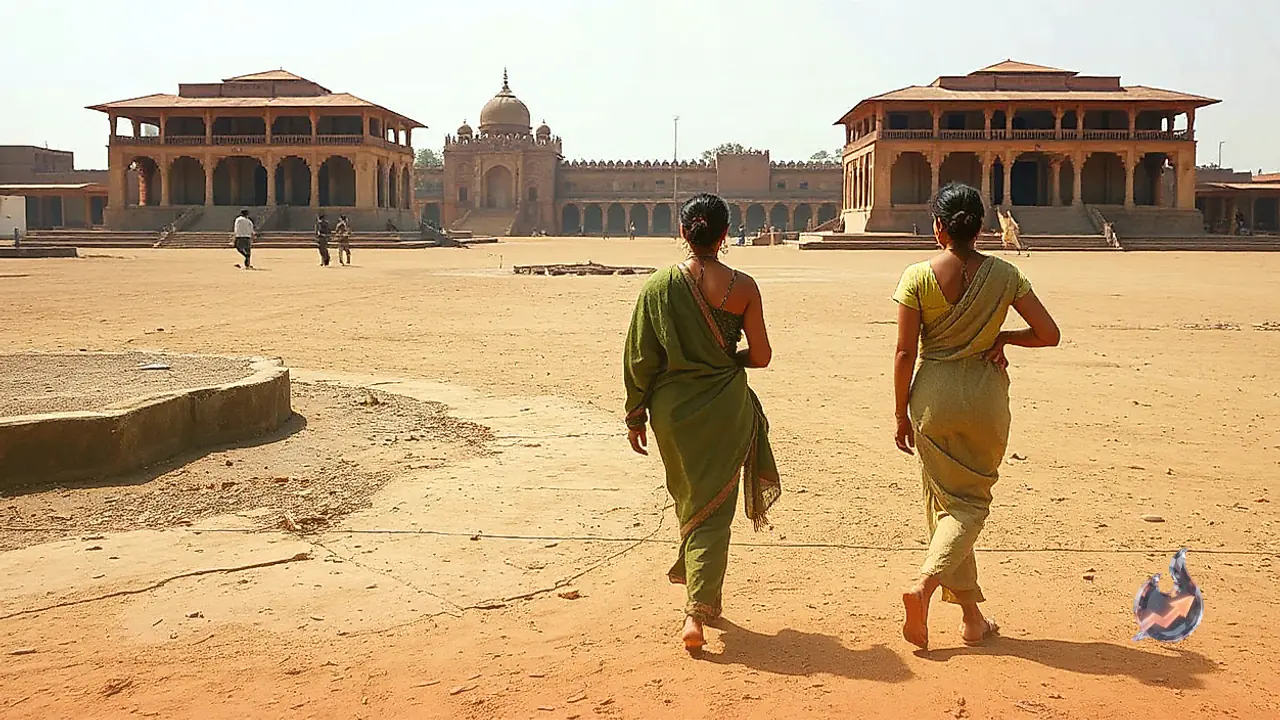
















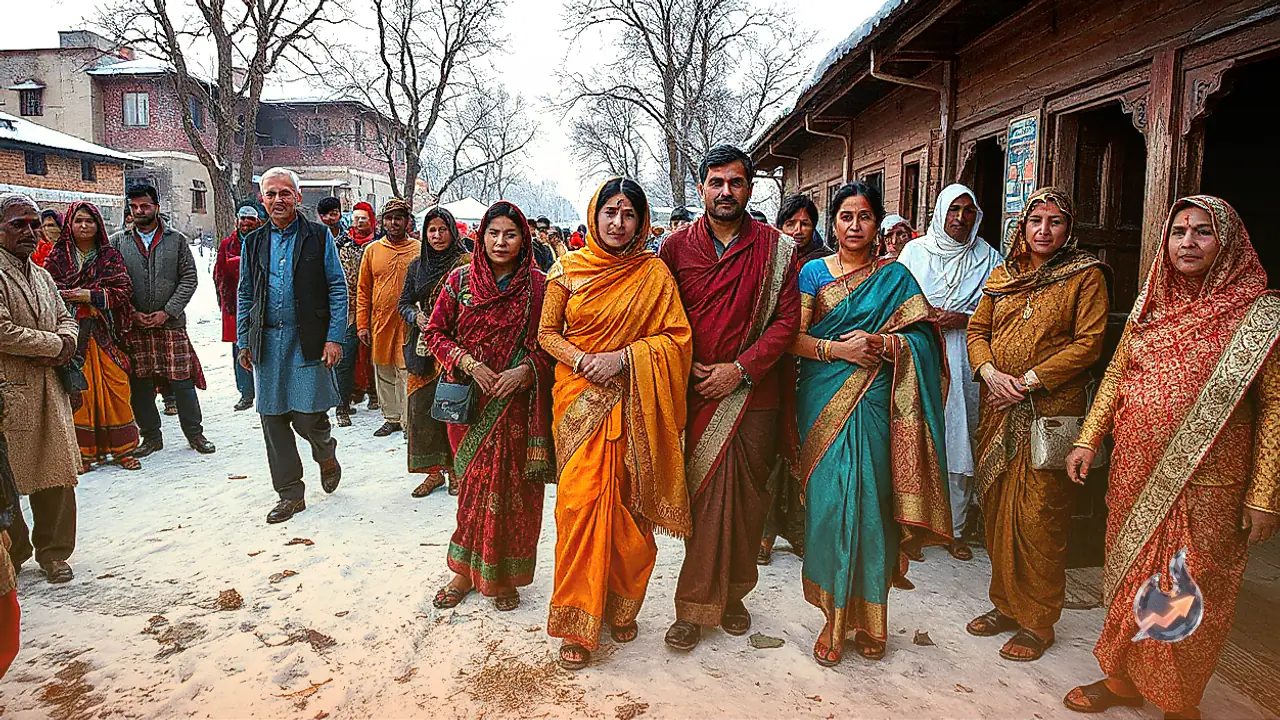

Following the festival of Diwali, the observance of Dev Uthani Ekadashi signals the end of a four-month period of divine slumber and sets off the traditional Hindu wedding calendar. While auspicious dates bring a wave of celebrations, this period coincides directly with the arrival of severe winter weather across central and northern India. Women attending weddings often face an uncomfortable dilemma between showcasing elegant traditional attire and staying protected from biting winds. Venturing into chilly open-air events draped merely in regular sheer sarees frequently results in sickness, creating a persistent seasonal challenge for wedding guests.
All-Weather Fabric Designed to Regulate Temperature
To eliminate the need for bulky cardigans and overcoats during formal events, handloom weavers have introduced specialized Climate Weather sarees, also referred to as season-special sarees. The core appeal of this garment lies in its dual functionality. During freezing winter conditions, the fabric retains body heat like a lightweight sweater, protecting the wearer from cold gusts. Conversely, when the weather turns pleasant or warm, the material adapts to provide a cool, breathable sensation. As a result, women can attend winter functions in full traditional style without worrying about dropping temperatures.
Handcrafted Over 10 to 12 Days Using Silk and Wool
Each saree is a product of dedicated craftsmanship woven entirely on traditional handlooms. The production process blends authentic silk with woollen yarns arranged intricately across vertical and horizontal weaves. This specific crisscross pattern of two distinct materials gives the garment its unique temperature-regulating properties. Crafting a single piece requires approximately 10 to 12 days of intensive manual labor. Because they are woven on handlooms with genuine silk, these sarees boast high structural strength and a long service life, while also sitting flat and draping neatly on the body without awkward puffiness.
Zero Maintenance Wrinkle Resistance and Diverse Kashmiri Collections
Wahid Javed, who travelled from Kashmir to Sagar to exhibit these artisanal handlooms, showcased a diverse array of authentic regional weaves. The collection includes celebrated varieties such as Kani Pashmina, Pashtun, Ring Pass Pashmina, Kashmiri Chinana, alongside Climate Weather and dyeable sarees. A major practical benefit of these fabrics is that they do not strictly require ironing before use. Even if occasional pressing is applied, it causes no damage to the texture. This low-maintenance quality makes them particularly appealing for busy schedules and destination weddings.
Affordable Pricing and a 20 Percent Depreciation Return Offer
In terms of pricing, the Climate Weather range is priced between 2200 rupees and 5000 rupees, making specialized artisanal handloom accessible across various budgets. Alongside this range, dyeable sarees have also seen substantial interest. Buyers can customize these versatile garments in whichever shades or hues match their personal tastes and event requirements. Furthermore, a flexible buyback policy is offered on dyeable sarees, allowing purchasers to return the garment at a deduction of 20 percent off the original purchase price.