

















Festive celebrations across Bihar and eastern Uttar Pradesh are defined by heartfelt folk customs that blend childhood memories with enduring cultural heritage. While fireworks and oil lamps illuminate the nights, the unique ritual of young unmarried girls shaping miniature clay shelters, followed by feeding their brothers sacred puffed rice the next day, carries profound cultural and emotional depth. These practices interweave ancient spiritual legends with essential family values and lifelong sibling affection.
Building Dream Shrines with Mud and Colors
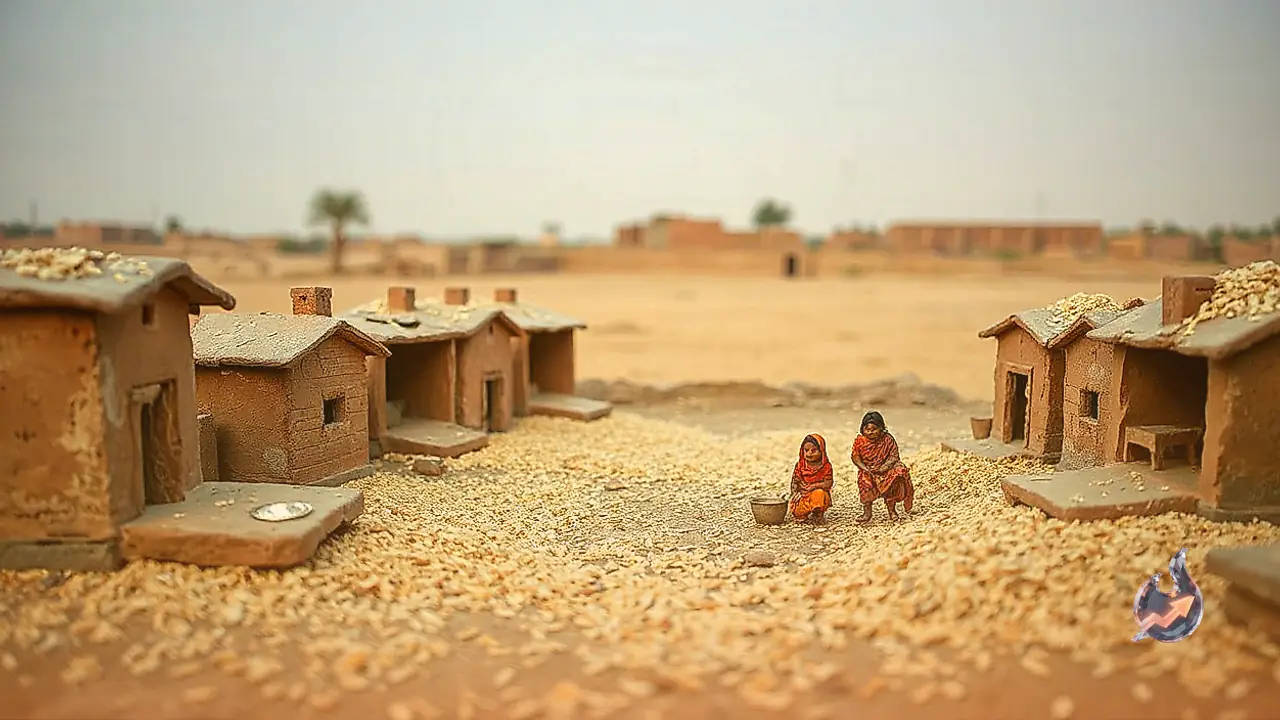
During the festive days, young girls assemble together to craft miniature dwelling structures called gharaunda, which translates to a small home. Traditionally built as two-story structures, these tiny dwellings are fashioned from wet clay, bricks, lime, or cardboard. Once the mud base dries, the girls adorn it with vibrant paints, fresh flowers, paper decorations, and oil lamps. The final creation resembles a charming dream house, reflecting the personal creativity, craftsmanship, and imagination of each child involved in the process.
Commemorating the Return of Lord Rama
This folk practice is deeply anchored in the spiritual celebration of Lord Rama returning to Ayodhya after completing fourteen years of exile. According to sacred accounts, the residents of Ayodhya cleaned and illuminated every lane with rows of earthen lamps to welcome him. Constructing a miniature home during the festival serves as a cultural continuation of that ancient joyous occasion, symbolizing fresh beginnings, domestic happiness, and the welcome of prosperity into the household.
Passing Down Domestic Wisdom and Fostering Teamwork
Historically, the tradition served a practical social purpose rooted in domestic life. Senior female family members used this craft activity as an informal school for young girls. While shaping mud chambers and courtyards, elders shared lessons about grain management, culinary care, neat housekeeping, and looking after family members in a playful, stress-free atmosphere.
In the present era, the custom has evolved beyond traditional homemaking lessons into a dynamic platform for child creativity, teamwork, and active festive engagement. Selecting the color palette, positioning lights safely, and decorating inner compartments provide young children with an opportunity to express their independent aesthetic choices while collaborating harmoniously with siblings and neighbors.
The Essential Vessels of Abundance
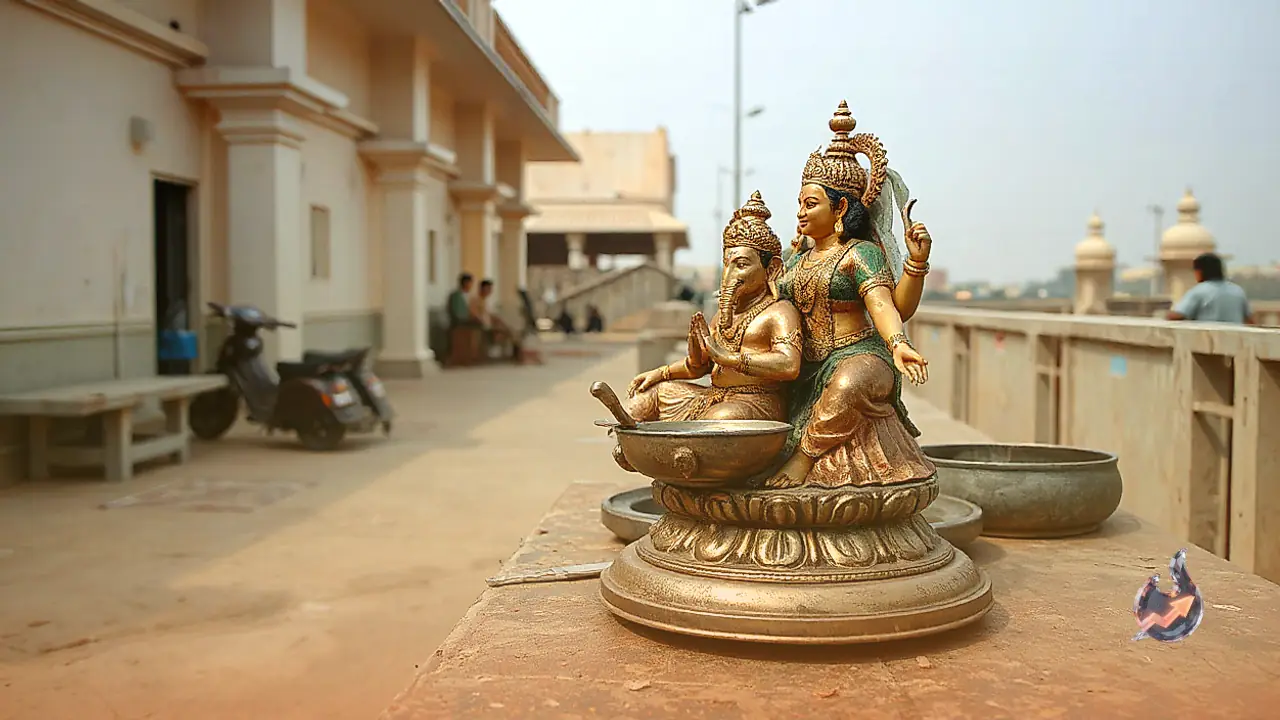
A miniature dwelling remains incomplete without small clay cookware arranged inside its courtyards. These diminutive pots and pans, locally called kulhiya-chukiya or chargharwa, are either bought from traditional potters or handmade from clay. Much like the main shelter, these vessels are hand-painted and decorated. They are then filled with freshly harvested paddy puffs known as khoi, alongside sugar candies, fox nuts, and colorful sugar confections.
Filling these miniature storage vessels with grains and confections symbolizes an enduring prayer that the family kitchen remains perpetually stocked and free from scarcity. Just as the clay house represents an ideal residence, the grains in the tiny pots embody hopes of wealth, sustenance, and good fortune throughout the coming year, highlighting the sacred relationship between agriculture, cuisine, and domestic well-being.
The Post-Diwali Sibling Feeding Ritual
Following the nocturnal worship and illumination of the festival, the tradition reaches its emotional peak the subsequent morning. Sisters retrieve the consecrated offerings from the miniature pots and hand-feed the puffed rice and sweets to their brothers. This tender act conveys heartfelt prayers for the brother's longevity, robust health, protection, and professional success. In response, brothers offer ceremonial blessings and tokens of affection, such as gifts or cash.
Depending on local customs and family traditions, this ceremony may take place on the day of Govardhan Puja or around the festival of Bhai Dooj. Despite slight calendar variations across households, the core sentiment remains consistent: preserving mutual respect, fostering affection, and strengthening family unity. A celebration that starts with moist earth ends as an enduring expression of familial loyalty.
Reconnecting with Cultural Roots in a Modern Age
In an age dominated by plastic merchandise, mobile games, and virtual entertainment, building clay shelters offers younger generations a tactile connection with nature and folk art. Creating these works requires no costly supplies, only basic soil, simple paints, tiny earthen vessels, and an active imagination. This custom serves as a reminder that the true joy of cultural celebrations does not lie in extravagance, but in the cherished memories and simple rites shared with loved ones.