Live: US and Saudi militaries target Iran-aligned fighters in Iraq amid rising tensionsLive
29 Jul 2026, 7:39 am (45 days ago)· 1

Live: US and Saudi militaries target Iran-aligned fighters in Iraq amid rising tensions

Tensions in West Asia remain high as US President Donald Trump warns of harsh measures against Iran. Meanwhile, Tehran has declined Oman's proposal regarding the joint regional administration of the Strait of Hormuz.

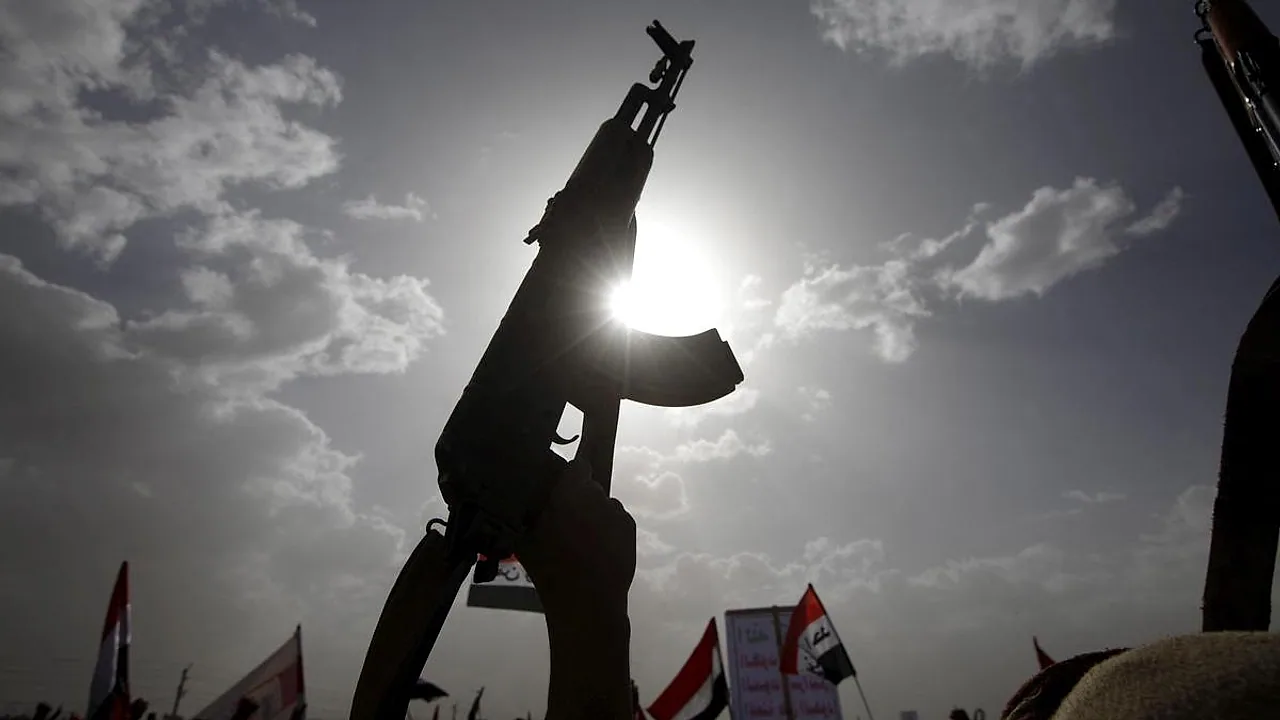
Following a brief lull in hostilities, military escalation across the Middle East has reached a perilous high. Operations conducted between Tuesday (July 28) and Wednesday (July 29, 2026) saw combined United States and Saudi Arabian air forces launch extensive bombardments against strategic positions of Iran-backed militias operating inside Iraq. In direct retaliation, Iran fired salvos of ballistic missiles targeting US installations in Jordan, which were intercepted in mid-air by Jordanian air defense systems. Simultaneously, the Iranian Navy's interception of three oil tankers near the Strait of Hormuz and reports of a new transit toll scheme by Yemen's Houthi rebels have injected profound uncertainty into global energy supply chains, sparking a sharp surge of over 3 percent in international crude oil benchmarks.

Joint US-Saudi Airstrikes Target Militias in Iraq

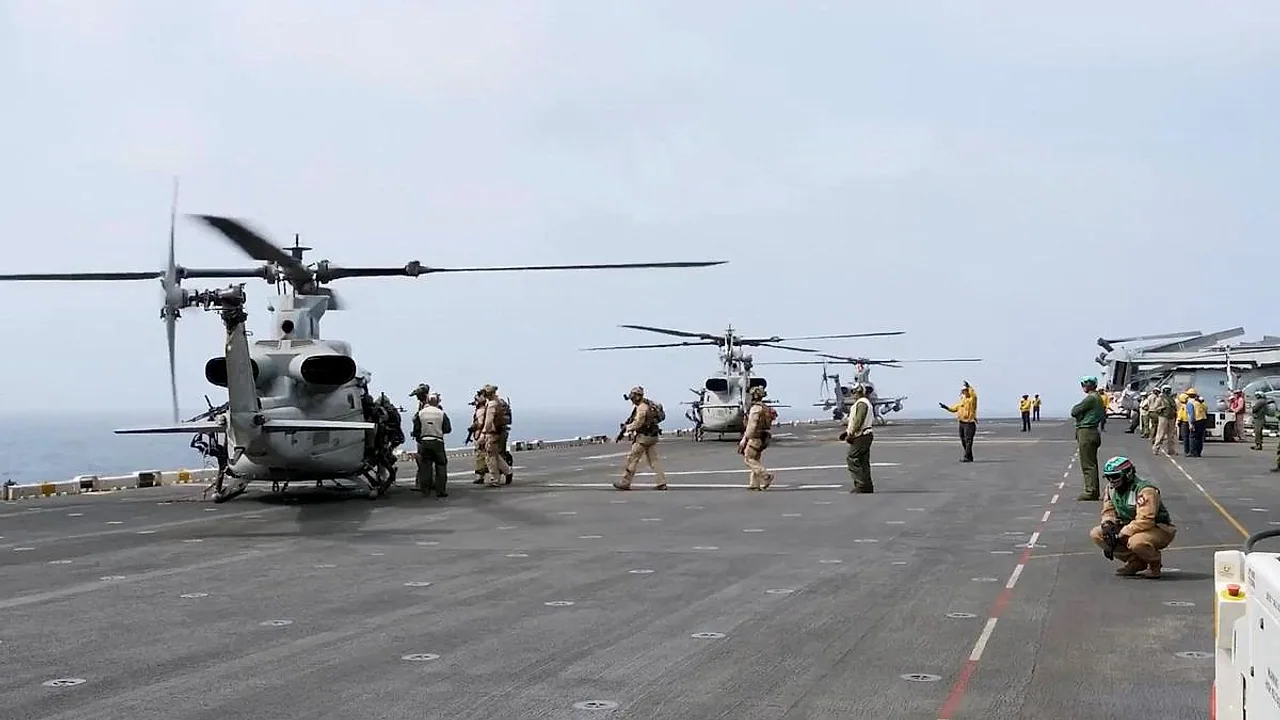
According to an official statement issued by United States Central Command (CENTCOM), combined US and Saudi Arabian combat aircraft executed coordinated airstrikes against Iran-aligned militant factions in Iraq on Tuesday. CENTCOM stated that the targeted militia elements were acting under direct instructions from the Islamic Revolutionary Guard Corps (IRGC) to launch strikes against American military personnel and critical Saudi energy infrastructure. US military tracking indicated that these proxy groups had carried out more than 24 hostile drone attacks in recent days, necessitating a robust military response.

Also read

In response, the Popular Mobilization Forces (PMF), also known as Hashd al-Shaabi—an umbrella organization of former Iraqi paramilitary units aligned with Tehran—issued a statement confirming substantial damage across several of its facilities. The PMF reported that multiple administrative buildings and assets were destroyed, resulting in significant personnel casualties. Independent operational reports indicated that the heaviest toll occurred in Nineveh province, where at least 10 PMF fighters were killed instantly. Combined strikes across other Iraqi provinces claimed the lives of at least 20 militants and 6 Iranian military advisors, with dozens of others sustaining severe injuries.

Strait of Hormuz Tanker Interceptions and Diplomatic Friction

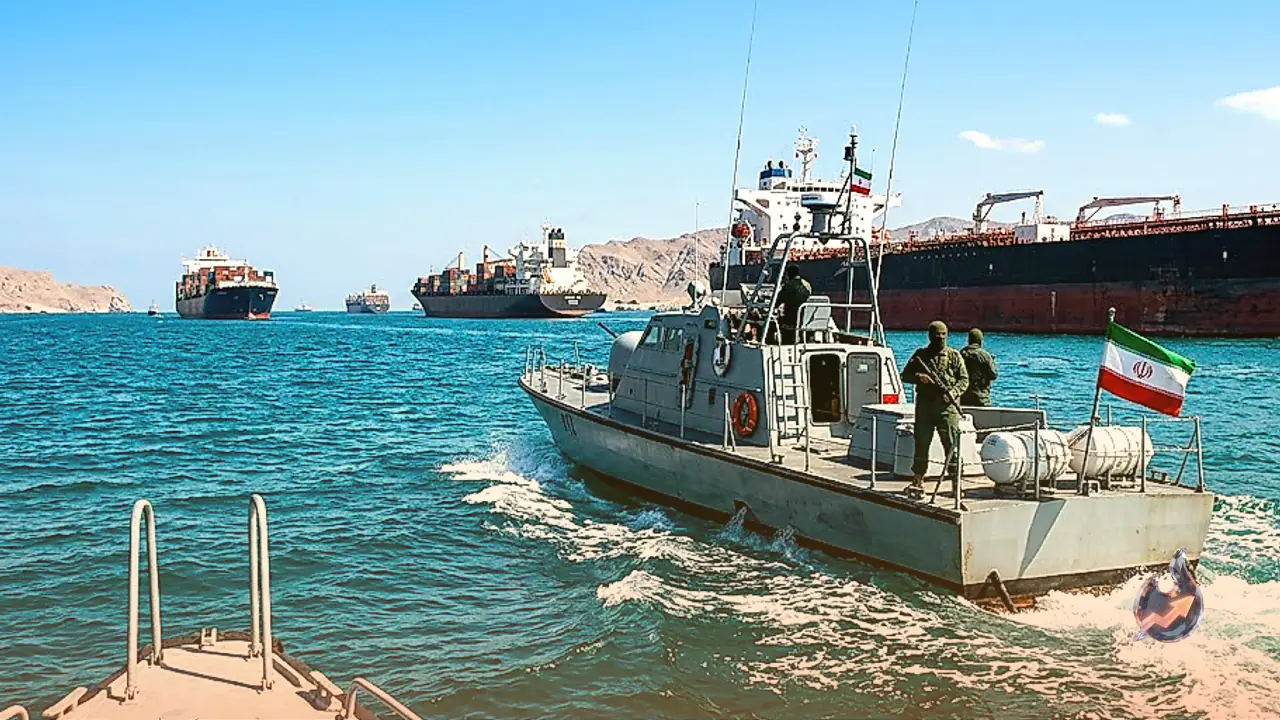
Maritime tensions escalated further as the IRGC Navy intercepted and detained three merchant oil tankers navigating the strategic Strait of Hormuz on Wednesday. Reports published by the Tasnim News Agency cited IRGC naval commanders asserting that the vessels were seized after ignoring explicit radio warnings, committing maritime safety violations, and attempting unauthorized transit through unsafe maritime corridors.

On the diplomatic front, peace initiatives faced immediate resistance. A senior Iranian official confirmed to Reuters on Wednesday (July 29, 2026) that Tehran has firmly rejected a regional proposal presented by Oman concerning the joint management of the Strait of Hormuz. The official stated that Oman's proposal stood zero chance of implementation, asserting that the US and Saudi Arabia were exerting continuous diplomatic pressure on Muscat to advance unrealistic maritime agendas.

Houthi Red Sea Toll Scheme and China's Discreet Negotiations

Yemeni Information Minister Moammar al-Eryani disclosed that Houthi insurgents, acting under Iranian guidance, are developing a formal framework to impose transit fees on commercial vessels navigating through the Red Sea and the Bab al-Mandab Strait. Minister al-Eryani condemned the initiative as a dangerous provocation designed to create a permanent illegal revenue stream for Houthi military and terrorist operations along vital international trade arteries.

The announcement follows a Houthi maritime blockade instituted on July 20 aimed at restricting access to Saudi ports, effectively opening a new operational front in the regional war. Meanwhile, according to six sources familiar with the matter, China engaged in direct negotiations with Houthi leadership in Yemen to secure explicit guarantees for Chinese oil tankers. Beijing sought assurances that its merchant fleet could navigate the southern Red Sea without risk of missile or drone targeted attacks.

Jordan Intercepts Iranian Missiles; US Strike Reported Near Iranian Border

Air defense forces in Jordan were drawn into active engagement early Wednesday morning (July 29, 2026). A spokesperson for the Jordanian Armed Forces confirmed that air defense batteries successfully engaged and destroyed five ballistic missiles entering Jordanian airspace from the direction of Iran. Iran's state news agency IRNA quoted the IRGC Aerospace Force as confirming that it had launched ballistic missiles targeting the Muwaffaq Salti Air Base in Jordan as well as US Central Command operational headquarters.

Concurrently, reports emerged regarding air strikes near the Iran-Iraq border. Iranian state television and the Fars news agency reported that US aircraft carried out a missile strike targeting the Piranshahr border zone located within West Azerbaijan province. A local administrative official clarified that the missile impacted an uninhabited area, resulting in no casualties or structural damage.

Ceasefire Breach Reported Along the Southern Lebanese Border

Tensions also simmered along the northern border of Israel. The Israel Defense Forces (IDF) issued a formal statement on Wednesday morning accusing Hezbollah of committing a direct breach of the existing ceasefire agreement. According to the IDF, Hezbollah launched an explosive-laden drone during the night targeting an IDF engineering vehicle operating within the Ali al-Taher ridge region inside the security zone. While no Israeli military personnel were injured in the attack, the IDF labeled the event a clear violation of terms.

India Advocates UN De-escalation as Iran Denounces Attacks

Addressing the escalating hostilities, India expressed grave concern over maritime instability in the Middle East. Speaking before the United Nations, Ambassador Parvathaneni Harish, India's Permanent Representative to the UN, strongly condemned recent attacks on commercial vessels in the Strait of Hormuz. Ambassador Harish emphasized that the Middle East remains a region of vital strategic importance to India, warning that renewed conflict following a temporary lull poses serious risks to regional stability. He urged immediate steps toward de-escalation and called for the unhindered restoration of safe commercial shipping.

Furthermore, Ambassador Harish reiterated India's call for comprehensive reform of the UN Security Council (UNSC), stressing that multilateral progress should not be stymied by narrow interests. In contrast, the Iranian Foreign Ministry issued a sharp condemnation of the US-Saudi strikes in Iraq, deeming them a grave violation of the UN Charter and international law executed to advance US and Israeli interests.

US Political Statements and Tariff Proposals

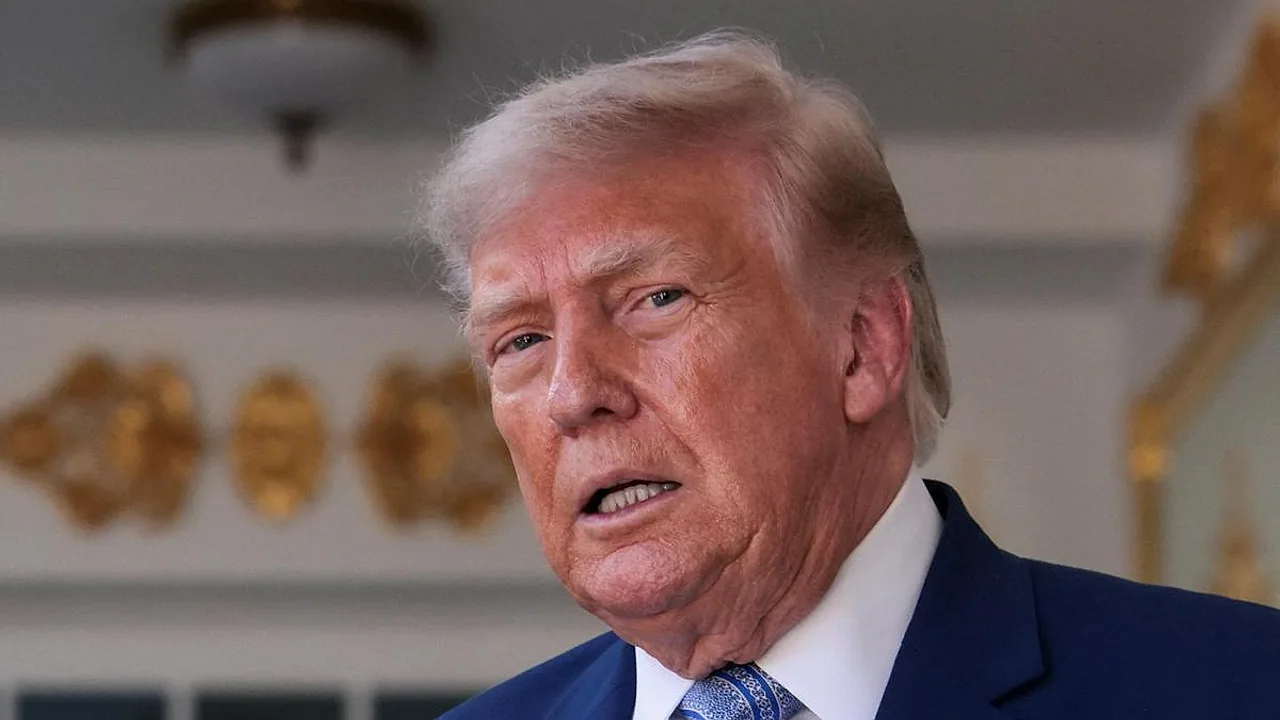
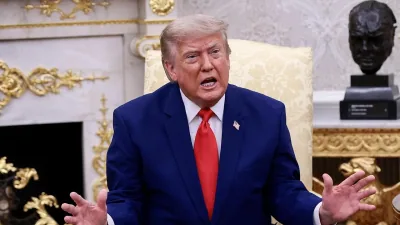
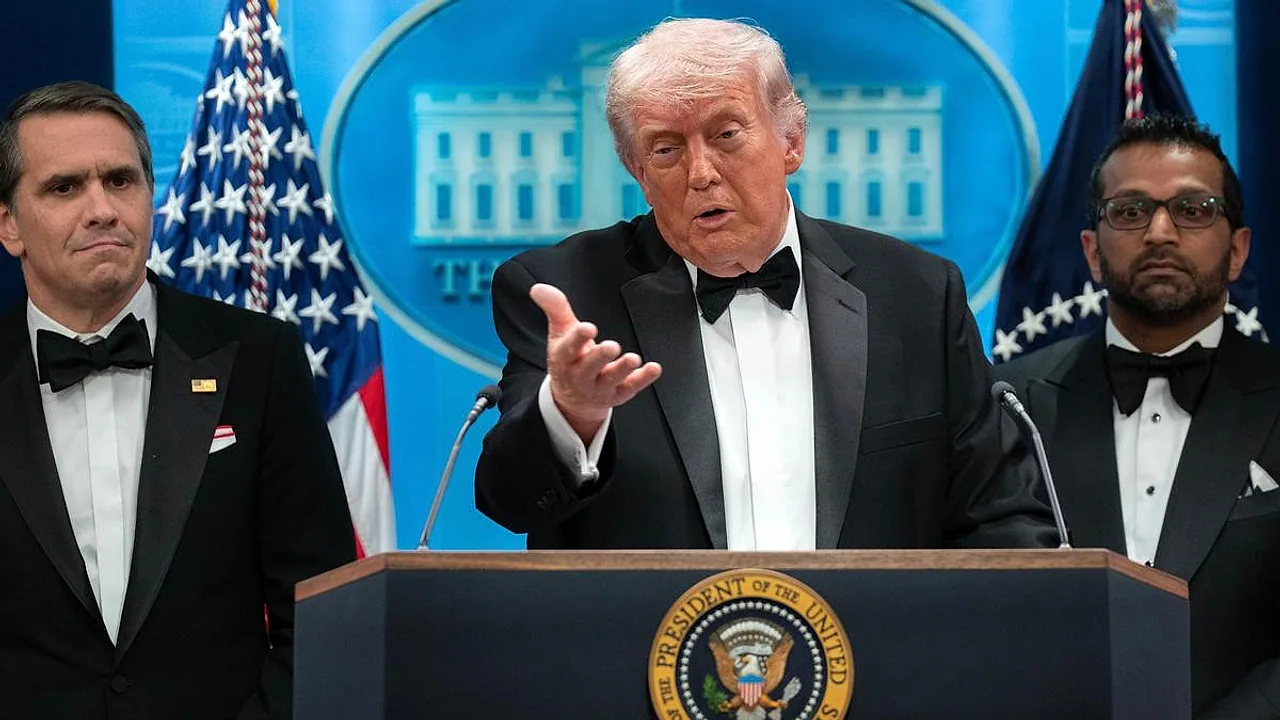
Following the targeting of US assets in Jordan, US President Donald Trump issued a stern warning to Tehran, pledging decisive military retaliation. President Trump emphasized that American forces would act aggressively to defend their personnel and military installations across the region. Additionally, President Trump indicated his desire to incorporate tariff provisions against Iran into pending Russia sanctions legislation—a bill previously championed by the late Senator Lindsey Graham.

Global Energy Markets Surge; MCX Commodity Analysis

Fears of prolonged supply disruptions sent crude oil prices climbing across global markets. Early Wednesday Asian trading saw US benchmark West Texas Intermediate (WTI) crude rise 3.67 percent to $82.17 per barrel (at 0015 GMT), while North Sea Brent crude advanced 3.39 percent to $86.94 per barrel.

On India's Multi Commodity Exchange (MCX), the August crude oil futures contract gained ₹242, or 3.18 percent, to settle at ₹7,845 per barrel on July 29, 2026, snapping a three-day losing streak. Aamir Makda, technical research analyst for commodity and currency at Choice Broking, noted that the contract opened higher near ₹7,650 on supply bottleneck fears. Anindya Banerjee, head of commodity and currency research at Kotak Neo, explained that retaliatory military action between Iranian forces and US-Saudi elements re-injected significant geopolitical risk premiums into energy markets.

Strategic Outlook and Regional Assessment

Analytical commentary by defense expert Stanley Johny highlights that the involvement of Houthi insurgents and their strategic coordination with Tehran risks broadening the conflict into a multi-front regional war. Furthermore, the persistent military exchanges raise concerns over the consumption rates of advanced US air defense munitions required to protect regional military bases and allied infrastructure. Without a diplomatic breakthrough, the ongoing military friction threatens to inflict lasting disruptions on international trade and global energy security.

ENDED

Closed

  1. Trump seeks authority to levy tariffs on Iran via Russia sanctions legislation

    American President Donald Trump stated that he desires the power to enforce trade tariffs against Iran included in the Russia sanctions draft legislation. The bill was previously backed by Senator Lindsey Graham prior to his recent passing.
  2. US to target Iran severely, warns Donald Trump

    American President Donald Trump has pledged to launch a powerful retaliation against Iran following strikes targeting US military installations located in Jordan. The move signals a renewed flare-up in the West Asian conflict, involving Tehran's regional proxy networks once again. This stern message was delivered as a temporary pause in hostilities—which had raised expectations of a diplomatic dialogue—came to an abrupt end. Consequently, global crude oil prices surged by 5 percent amid mounting anxieties regarding potential disruptions to international supply chains.
  3. Iranian Foreign Ministry denounces combined U.S.-Saudi military actions in Iraq

    Tehran’s Foreign Ministry strongly criticized the joint U.S. and Saudi military strikes inside Iraq on Wednesday, characterizing the actions as an effort by Washington and Israel to broaden conflict across the Middle East. In an official statement, the ministry asserted that these offensive operations align with the ambitions of the United States and the Zionist regime to widen war throughout West Asia, labeling the strikes a severe infringement of international regulations and the UN Charter.
  4. Iran restarts missile strikes as American and Saudi forces target Tehran-aligned groups inside Iraq

    Early on Wednesday (July 29), Iranian forces fired a series of missiles targeting American troops positioned across West Asia. Simultaneously, the U.S. collaborated with Saudi military forces to conduct airstrikes against Tehran-backed militias located in adjacent Iraq, resulting in the deaths of no fewer than 20 combatants. According to two Iraqi militia representatives speaking to AP, six Iranian military advisers lost their lives during the joint U.S.-Saudi action. However, it remained uncertain whether these advisers were counted among the 20 fatalities previously reported. The sources provided this information anonymously since they were unauthorized to issue public statements. This renewed violence across multiple conflict zones follows a brief period of relative quiet, significantly heightening fears of a wider total war. Furthermore, it highlights the immense challenge of resolving a five-month-long crisis that has rattled international markets and faced growing opposition among the U.S. public. The escalated hostilities are also expected to deepen anxieties regarding the further depletion of already strained U.S. stockpiles of advanced weaponry required to safeguard its troops and regional partners.
  5. Yemeni government claims Houthis prepare to levy toll on Red Sea shipping

    An official from Yemen's internationally backed administration disclosed on Wednesday (July 29) that Houthi insurgents are preparing a system, under Iran's direction, to extract charges from vessels navigating through the Red Sea and Bab al-Mandeb Strait. Information Minister Moammar al-Eryani characterized this initiative as a perilous escalation, arguing that it seeks to convert one of the globe's critical maritime passages into a consistent revenue channel for the group's armed and violent operations.
  6. Israeli forces allege Hezbollah violated cease-fire after drone attack in southern Lebanon

    The Israeli armed forces charged Hezbollah with a clear breach of the truce on Wednesday (July 29), alleging that the Iran-aligned group dispatched an explosive drone against an Israeli military craft overnight in southern Lebanon. According to an official military release, Hezbollah directed an explosive-laden drone toward an IDF engineering vehicle in the Ali al-Taher Ridge sector within the Security Zone overnight (Wednesday). The statement noted that while this act represents a direct violation of the cease-fire agreement, no Israeli troops sustained injuries.
  7. Iranian state broadcaster reports US strike near border with Iraq

    Iranian state television reported on Wednesday (July 29) that American forces launched an attack on a city in the country's northwest, situated along the border with Iraq. "A few moments ago, a sector within the Piranshahr border belt was targeted by hostile US airstrikes," the state broadcaster declared. This statement came after the Fars news agency quoted a local official in West Azerbaijan province confirming that a missile hit an uninhabited zone, resulting in zero casualties.
  8. US and Saudi militaries target Iraqi armed coalition as regional conflict broadens

    Joint military action by American and Saudi troops targeted a coalition of militants in Iraq on Wednesday (July 29), marking a further escalation of the West Asian clash toward Iran-aligned proxy groups. This military action comes after a brief pause in Washington's direct strikes against Iranian territory, even as Tehran's network of regional allies, including groups in Yemen, faces growing involvement. Concurrently, Iranian forces fired missiles into Jordan, executing their initial regional strike since the temporary cessation of active combat with the United States.
  9. China negotiating with Yemen's Houthis for safe Red Sea transit, report sources

    Beijing has engaged in direct discussions with Yemen's Houthi rebels to ensure its oil tankers can navigate the southern Red Sea safely without facing assaults, according to six informed sources. This comes after the Iran-backed group announced an embargo restricting entry to Saudi maritime ports. The blockade was imposed by the Houthis on July 20, creating another active front against Washington and its coalition partners during the broader Iranian conflict while intensifying strikes against vessels carrying fuel and commercial goods headed outside West Asia. Sources, including a high-ranking Iranian official, confirmed that Chinese authorities requested explicit guarantees from the Houthis regarding unhindered passage for vessels flagged or operated by China.
  10. Jordan intercepts Iranian missiles after US-Saudi operations target Iraqi militias

    Jordan's air defence systems brought down five missiles launched by Tehran early Wednesday morning (July 29), according to the nation's armed forces. The interception occurred shortly after American forces reported neutralizing an Iranian missile strike targeted at US troops stationed across West Asia, ending a brief lull in hostilities. Military authorities in Amman confirmed that the incoming projectiles were targeted and destroyed mid-air. Meanwhile, Iranian state news outlet IRNA reported a declaration from the Revolutionary Guard stating that its Aerospace Division launched ballistic missiles aimed at the Muwaffaq Salti Air Base along with the US military's Central Command headquarters located in Jordan.
  11. India sharply denounces recent strikes on commercial ships in Strait of Hormuz

    Expressing grave concern over the renewed escalation of conflict in West Asia, New Delhi has strongly condemned the recent attacks targeting commercial vessels in the Strait of Hormuz. India called for the swift restoration of safe, unimpeded maritime trade and navigation across critical international waterways in the region. Underscoring that West Asia remains a region of vital importance to India, Permanent Representative of India to the UN Ambassador Parvathaneni Harish pointed out that after a temporary lull, the sudden resurgence of military strikes is deeply troubling. He urged all involved parties to take immediate measures to reduce regional hostility. Furthermore, India emphasized that long-pending UNSC reforms must not be stalled by narrow divisive interests, pressing for concrete forward movement in ongoing diplomatic discussions.
  12. Crude oil futures surge over 3% as renewed West Asia fighting fuels supply fears

    Renewed military conflict in West Asia sparked fresh concerns over energy supplies, driving global benchmarks higher and boosting crude oil futures by over 3% to ₹7,845 a barrel on Wednesday (July 29, 2026). On the Multi Commodity Exchange (MCX), August delivery crude contracts closed three consecutive sessions of losses by gaining ₹242, or 3.18%, reaching ₹7,845 per barrel. Choice Broking's Technical Research Analyst for Commodity & Currency, Aamir Makda, highlighted that August MCX crude was trading with a bullish bias around ₹7,650 early Wednesday due to lingering fears over potential supply chain disruptions. Anindya Banerjee, Head of Commodity and Currency Research at Kotak Neo (formerly Kotak Securities), noted that crude oil prices rebounded after Iranian strikes on American assets in the region prompted retaliatory strikes by US and Saudi forces against Tehran-backed targets in Iraq. - PTI
  13. In Focus podcast: Understanding the Houthi movement's entry into the West Asia war

    In this podcast discussion, Stanly Johny breaks down the role of the Houthis in the West Asia crisis, examining their alliance with Iran and the potential risks of a broader regional warfare.
  14. At least 10 PMF fighters killed in US-Saudi air raids in Iraq, sources report

    At least 10 members of an Iraqi former paramilitary network were killed during US-Saudi air raids targeting their facilities across the nation, two coalition sources told AFP. An official stated that the strikes hit installations of Hashed al-Shaabi, also known as the Popular Mobilisation Forces (PMF), in multiple governorates, with the highest casualties recorded in Nineveh province where at least 10 personnel lost their lives. The official noted that the death count is likely to increase. Injuries were additionally reported from other provinces, the official noted, with a second source confirming the preliminary numbers.
  15. Jordanian military intercepts and shoots down five incoming Iranian missiles

    Jordan’s military announced on Wednesday (July 29, 2026) that it successfully engaged and brought down five Iranian missiles as active fighting between Washington and Tehran restarted following a brief suspension. A spokesperson for Jordan's armed forces stated that their air defense system dealt with five projectiles arriving from Iran that were aimed at the kingdom's territory earlier in the morning, adding that all of them were intercepted and downed.
  16. Iran dismisses proposal from Oman regarding joint control over Strait of Hormuz

    Tehran has knocked back a plan submitted by Oman for collaborative regional administration of the Strait of Hormuz, asserting that it stands zero chance of succeeding, a high-ranking Iranian official told Reuters on Wednesday (July 29, 2026). The official added that the US and Saudi Arabia are attempting to exert pressure on Oman to push forward their unrealistic designs for the strategic maritime passage.
  17. Casualties reported after U.S.-Saudi joint strikes hit militia sites in Iraq

    A coalition of former pro-Iranian paramilitary factions operating in Iraq stated that a number of individuals were killed and others wounded during joint U.S.-Saudi strikes within the country. Officials in Washington and Riyadh confirmed that the air raids were aimed at Iranian-aligned fighters in Iraq as a direct response to recent assaults against U.S. military personnel and Saudi energy installations. In an official release, the Popular Mobilization Forces (PMF), designated as Hashed al-Shaabi in Arabic, declared that these actions caused the martyrdom of several members, left multiple people injured, and inflicted severe structural damage on various buildings and properties.
  18. Iranian Revolutionary Guards stop three oil tankers in Strait of Hormuz, state media reports

    Iranian state media reported on Wednesday that the nation's Revolutionary Guards hit and halted three commercial oil tankers in the Strait of Hormuz, despite a temporary pause in direct hostilities between Washington and Tehran. According to the Tasnim News agency, naval forces of the Guards stated that three violating vessels were struck and brought to a standstill after disregarding warnings and continuing along an unsafe and unauthorized maritime route.
  19. Crude oil surges over 3% following missile interceptions from Iran

    Crude oil markets witnessed a sharp increase of over 3% early Wednesday during Asian trading hours, following statements from the American armed forces that they successfully neutralized several missiles fired by Iran. Around 0015 GMT, the American benchmark West Texas Intermediate rose by 3.67% to reach $82.17 per barrel, whereas North Sea Brent crude saw a rise of 3.39%, trading at $86.94 per barrel.
  20. American and Saudi air forces target Iran-supported militants in Iraq

    Joint airstrikes were conducted on Tuesday (July 28) by American and Saudi fighter jets against Iranian-backed insurgents inside Iraq, who had executed more than two dozen drone strikes over recent days, according to statements from the United States military. The action was directed at "Iran-aligned terrorists that the Islamic Revolutionary Guard Corps (IRGC) directed to attack US forces and Saudi energy infrastructure," as detailed in an official press release by US Central Command (CENTCOM).

Questions & Answers

Which organization was targeted by US and Saudi airstrikes in Iraq?
US and Saudi air forces targeted positions of the Iran-backed Popular Mobilization Forces (Hashd al-Shaabi) in Iraq, killing between 10 to 20 militants and 6 Iranian military advisors.
What action did Iran take in the Strait of Hormuz?
Iran's Revolutionary Guard Corps Navy intercepted and detained three oil tankers in the Strait of Hormuz, citing alleged maritime rule violations and non-compliance with warnings.
How did military strikes affect crude oil prices?
Following the strikes, WTI crude jumped 3.67% to $82.17 per barrel and Brent crude rose 3.39% to $86.94 per barrel, while India's MCX August crude futures climbed to ₹7,845 per barrel.
What action did Jordan's military take?
Jordan's air defense systems successfully intercepted and destroyed five Iranian ballistic missiles mid-air as they entered Jordanian airspace.
What discussions took place between China and the Houthis?
China conducted direct talks with Houthi leadership in Yemen to secure explicit guarantees for the safe passage of Chinese oil tankers through the southern Red Sea.
What position did India take at the United Nations?
India's Permanent Representative to the UN, Ambassador Parvathaneni Harish, condemned attacks on commercial vessels and called for the immediate restoration of safe, unhindered maritime shipping through the Strait of Hormuz.

Comments 0

No comments yet — be the first.

Citizen journalism

Become a TrendKia journalist

Voice of the people

Share news, photos and videos from your area with TrendKia and let your voice reach the nation. Every citizen a journalist.

Join now
CH 01 LIVE
TrendKia TV ON AIR