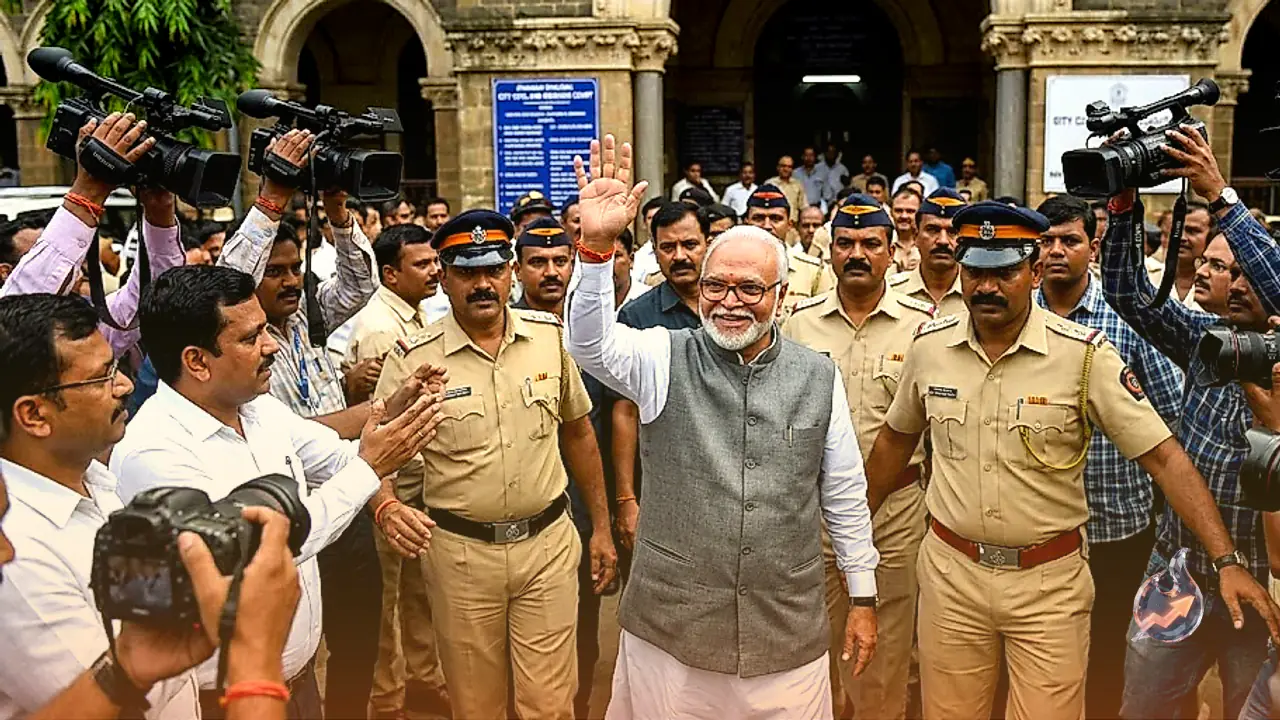
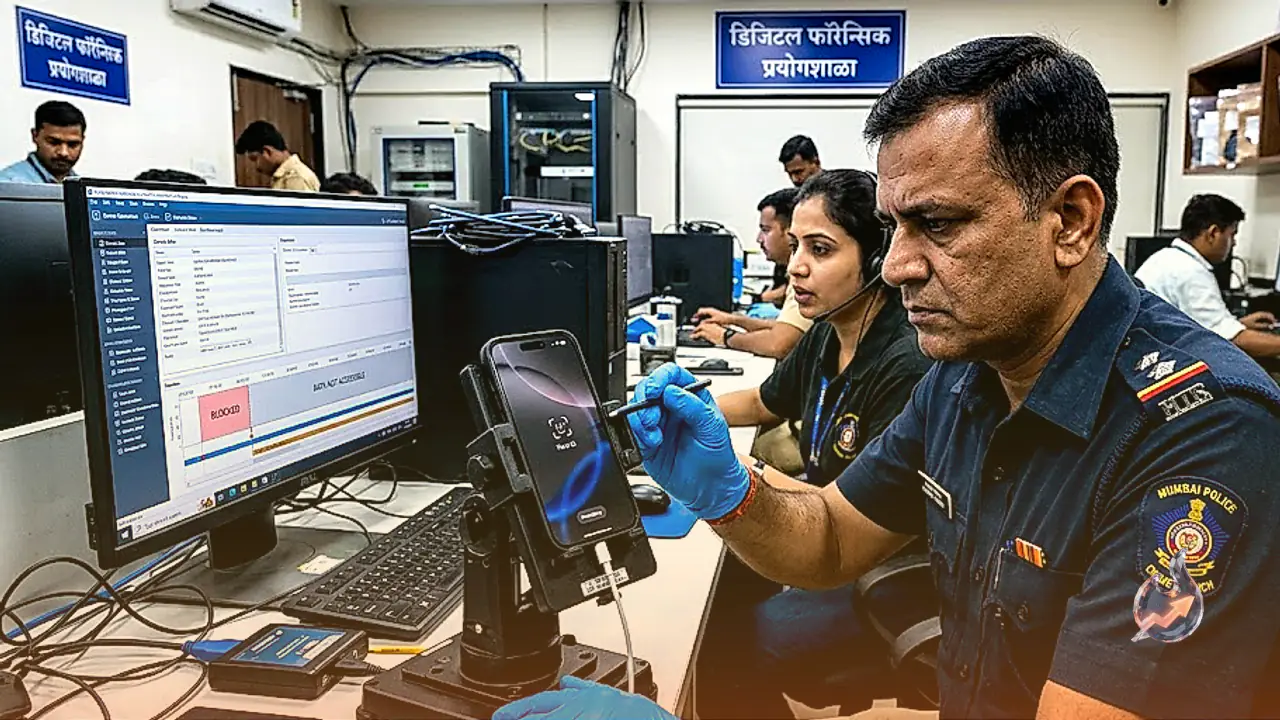





















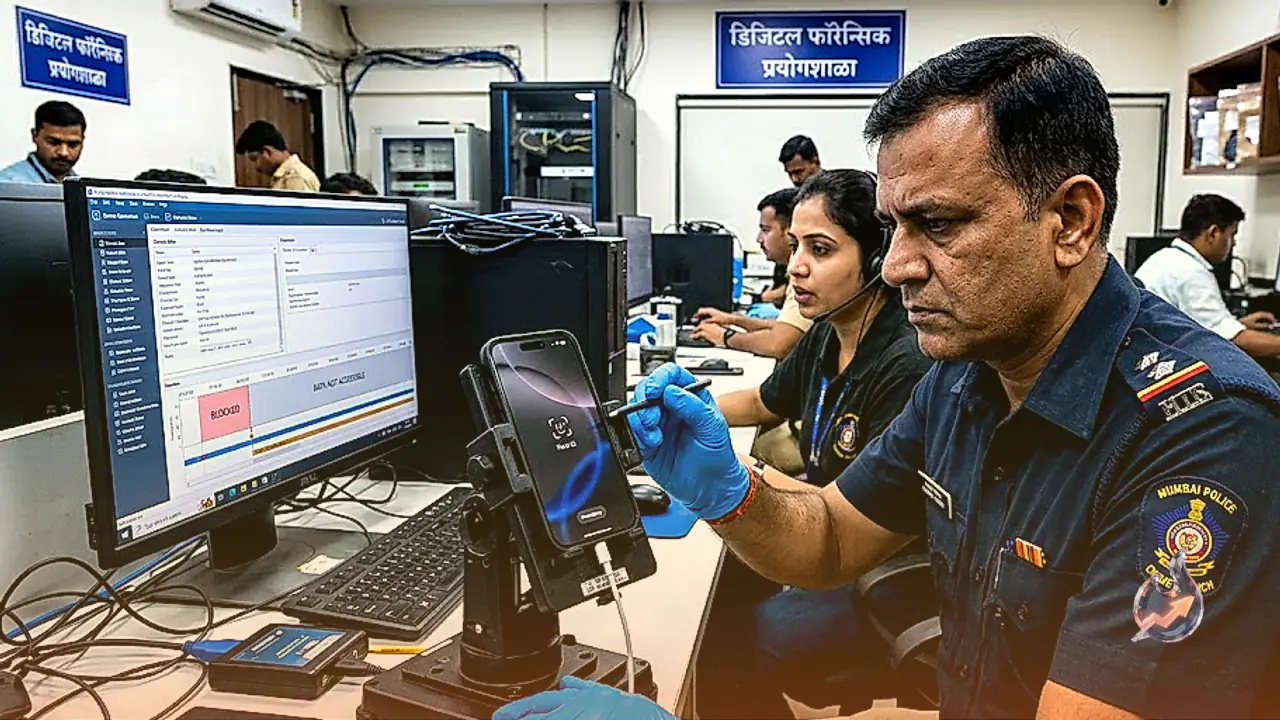

The Mumbai Crime Branch investigation into the death of IIT Bombay student Sahil Wakode has run into a formidable technical roadblock centered on his secured iPhone 17. The handset was secured with a pattern lock to which none of his close acquaintances or friends had access, leaving officers unable to extract its internal contents. Because the data on the device is protected by advanced encryption, unlocking it without the exact pattern has proved exceptionally difficult. Police believe gaining access to the phone could resolve critical questions surrounding the tragedy, specifically regarding what Sahil searched online during an exam on September 18 and what transpired immediately after he exited the examination hall.
The Examination Incident and the Crucial 47-Minute Timeline
At the heart of the probe is an examination session on September 18, during which Sahil was accused of using a mobile phone. Closed-circuit television recordings revealed Professor Suryanarayana Doolla directing Sahil to leave the examination hall. Sahil stepped out of the hall at approximately 12:38 pm and arrived at his hostel room at around 1:25 pm. The Crime Branch is now focused on reconstructing the precise sequence of events during this roughly 47-minute window. Investigators are reviewing surveillance footage along the entire route between the examination venue and the hostel to map where Sahil went and what occurred before he reached his quarters.
Forensic Hurdles with Advanced Smartphone Encryption
Extracting digital evidence from Sahil's iPhone 17 has challenged standard local procedures. While the forensic tools currently at the disposal of the police are capable of retrieving data from earlier iPhone models, they have struggled to bypass the advanced security features and encryption architecture of this latest model. Consequently, officials have not yet established who called Sahil or whom he attempted to contact on that day, even though multiple missed call notifications remain visible on the handset display. Investigators also hope to review his browsing activity during the test. To overcome the technical impasse, the Crime Branch is considering seeking assistance from external agencies that possess more advanced technology specifically designed for examining new iPhone models and encrypted digital media.
Laptop Seizure and Over 20 Witness Statements Recorded
In addition to the smartphone, the police have seized Sahil's laptop and forwarded it for forensic laboratory evaluation, while continuing comprehensive reviews of surveillance footage across the examination hall, the wider campus, and the hostel areas. The case was initially registered at the Powai police station before being transferred to the Crime Branch for a specialized probe. Detectives have recorded statements from more than 20 individuals so far, including institute staff members and students. Faculty members who supervised the examination and students who were present in the hall have also been questioned. Investigators are now cross-referencing findings from the laptop, the surveillance tapes, witness testimonies, and the pending phone data to build a complete factual reconstruction of September 18.