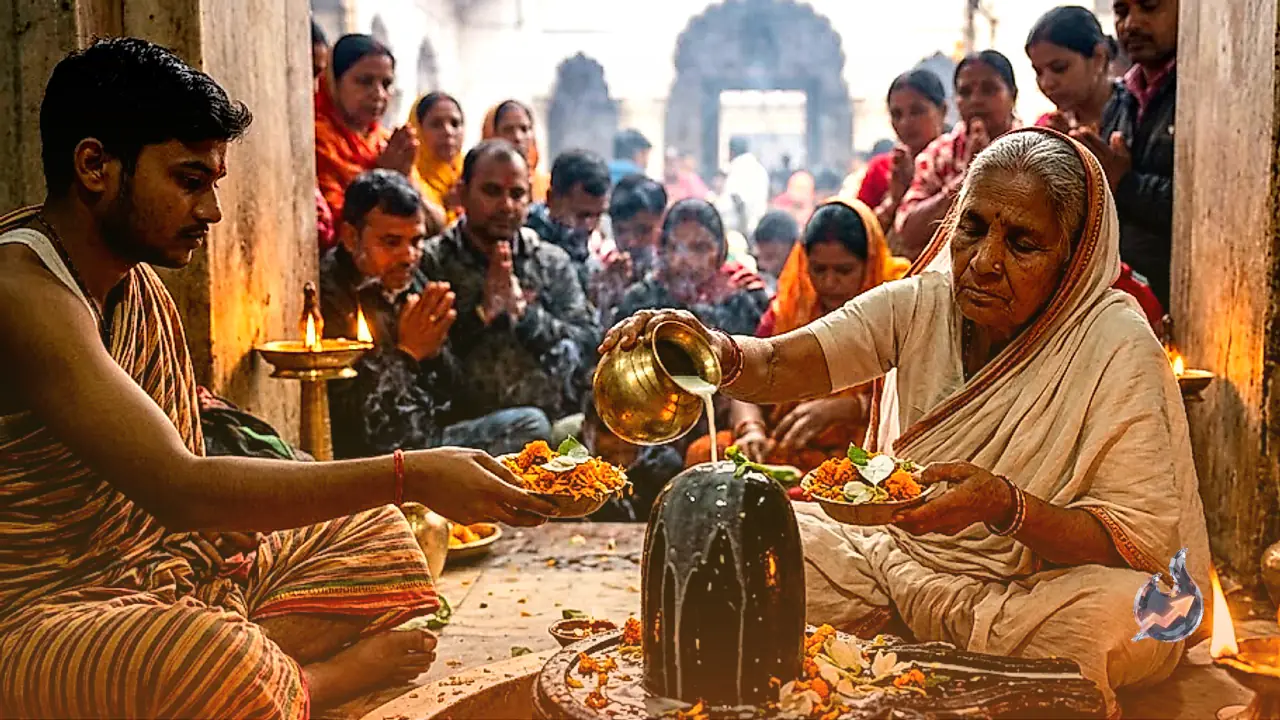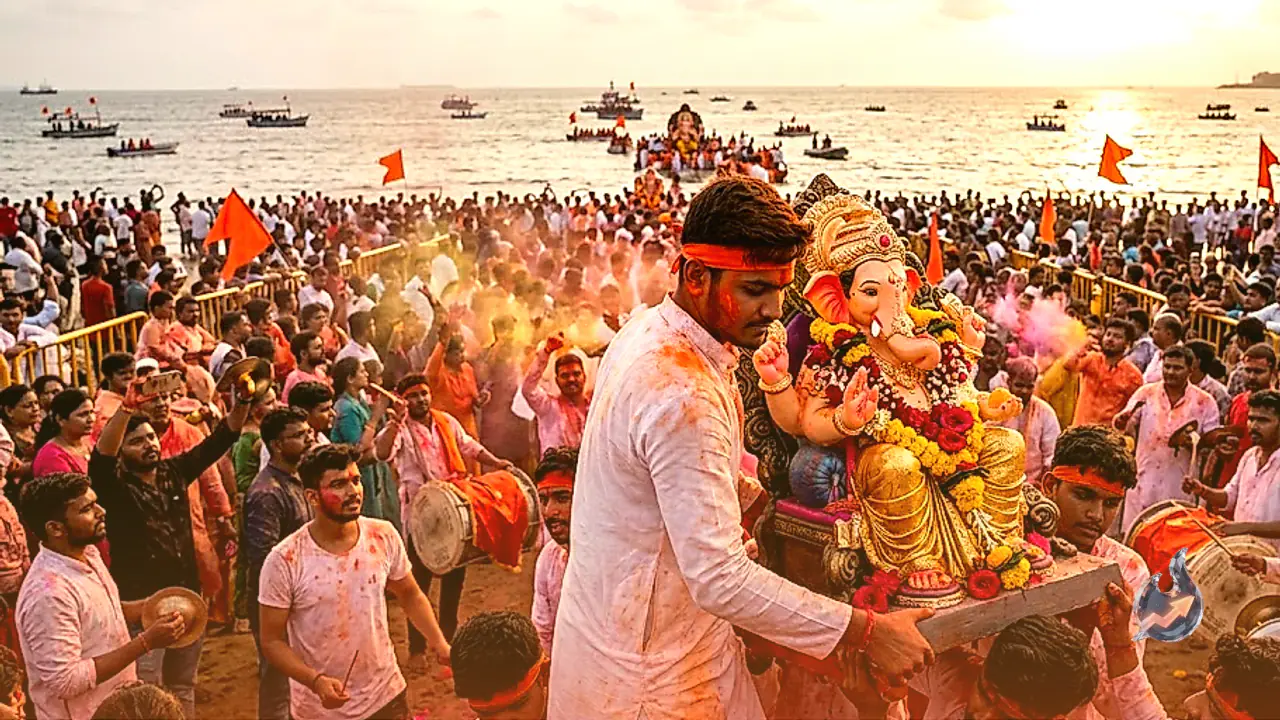






















Within Sanatan traditions, the observance of Pitru Paksha holds profound spiritual significance as a sacred phase dedicated to honoring deceased ancestors. Across this fortnight, families undertake structured religious practices intended to bring peace to departed souls and secure their enduring blessings. The period of Pitru Paksha commences on September 26 and reaches its formal conclusion on October 10 with the observance of Sarva Pitru Amavasya. Hindu faith regards this timeline as an exceptional juncture for expressing gratitude and filial devotion to preceding generations. Throughout these days, individuals perform tarpan, shradh rituals, pinda daan ceremonies, and philanthropic deeds in the name of their departed elders. Core religious convictions hold that remembering ancestors and conducting righteous duties in their memory yield enduring spiritual benefits.
Interpreting Ancestral Visions in Dreams During the Fortnight
It is common for many individuals to experience dreams involving their late relatives or forebears during this sacred window. At times, these visions portray ancestors appearing deprived of food or water, afflicted by illness, distressed, or entirely without garments. Analyzing the significance assigned to such occurrences, Sitaram Das, a scholar based in Ayodhya, notes that religious principles treat these dream encounters as meaningful indications originating from the ancestral realm.
Signs of Distress in Visions and Steps for Remediation
Sitaram Das explains that when someone repeatedly sees their ancestors appearing famished, parched, helpless, sick, sorrowful, or devoid of clothing, established religious perspectives do not categorize it as an auspicious omen. Such dream states are traditionally interpreted as indications of ancestral dissatisfaction, discontentment, or unfulfilled worldly longings. Although science offers no definite empirical explanation for these dream experiences, they are understood through the prism of devotional belief systems. When such unsettling imagery recurs persistently, the affected person is advised to immediately conduct shradh rites, water libations, and generous donations, offering heartfelt prayers for the eternal tranquility of the departed.
Prescribed Protocols for Water Offerings and Charitable Acts
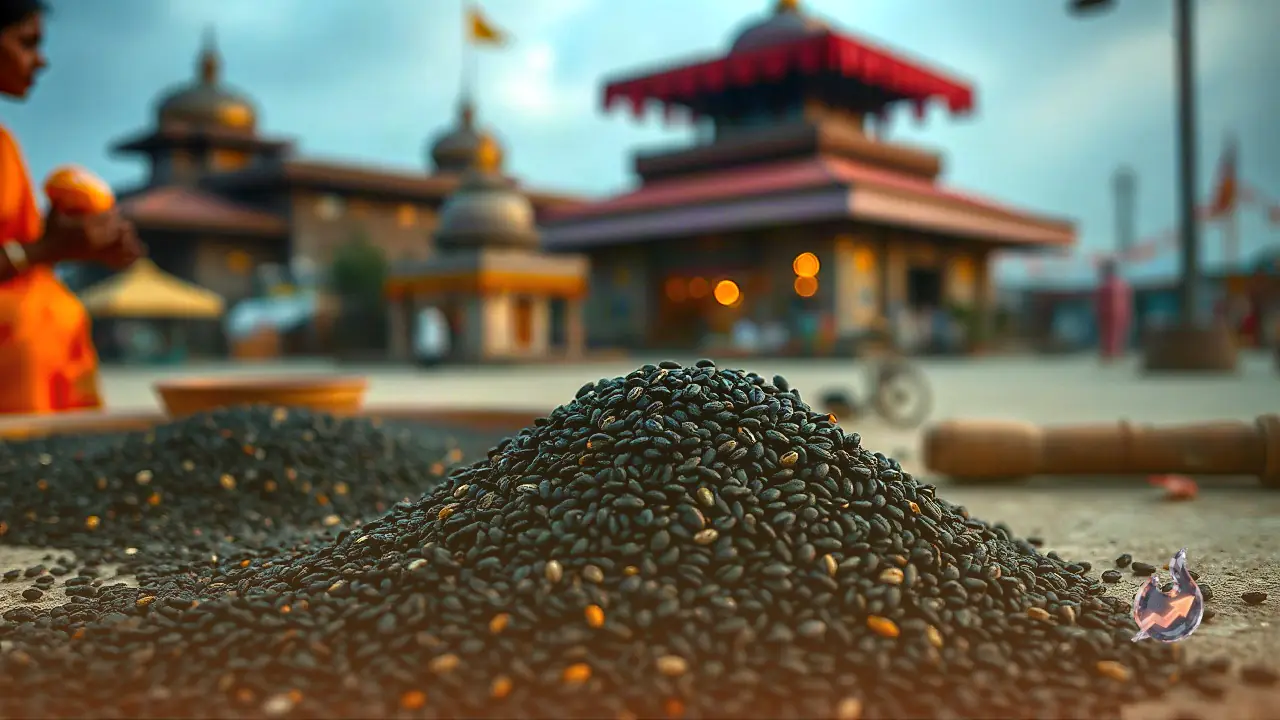
Whenever ancestors appear troubled or seem to request specific items in a dream, an established morning ritual is recommended. After completing an early morning bath, one should fill a clean copper vessel with fresh water. Into this water, combine holy Ganga water, black sesame seeds, and sacred kusha grass. The practitioner must then face directly toward the south direction. Following traditional rules, the water should be offered reverently while mentally invoking and remembering the ancestors. Furthermore, longstanding customs mandate feeding wholesome meals to needy individuals and donating clothing or other essential articles according to one's financial capability. If an individual carries concerns regarding past shortcomings, inadvertent slights, or mistakes toward their elders, earnest prayers seeking their forgiveness ought to be made. Carrying out shradh ceremonies and tarpan rites during Pitru Paksha remains a vital spiritual obligation.
Auspicious Signs of Smiling and Blessing Forebears
In stark contrast, if an ancestor appears in a dream placing a reassuring hand upon one's head, smiling warmly, or openly bestowing blessings, spiritual beliefs consider it a thoroughly positive and fortunate sign. Such experiences are regarded as evidence of ancestral contentment and protective benevolence. Religious interpretation views this benevolent imagery as a herald of impending relief, indicating that persistent troubles, life obstacles, and hardships faced by the individual are on the verge of being cleared away.