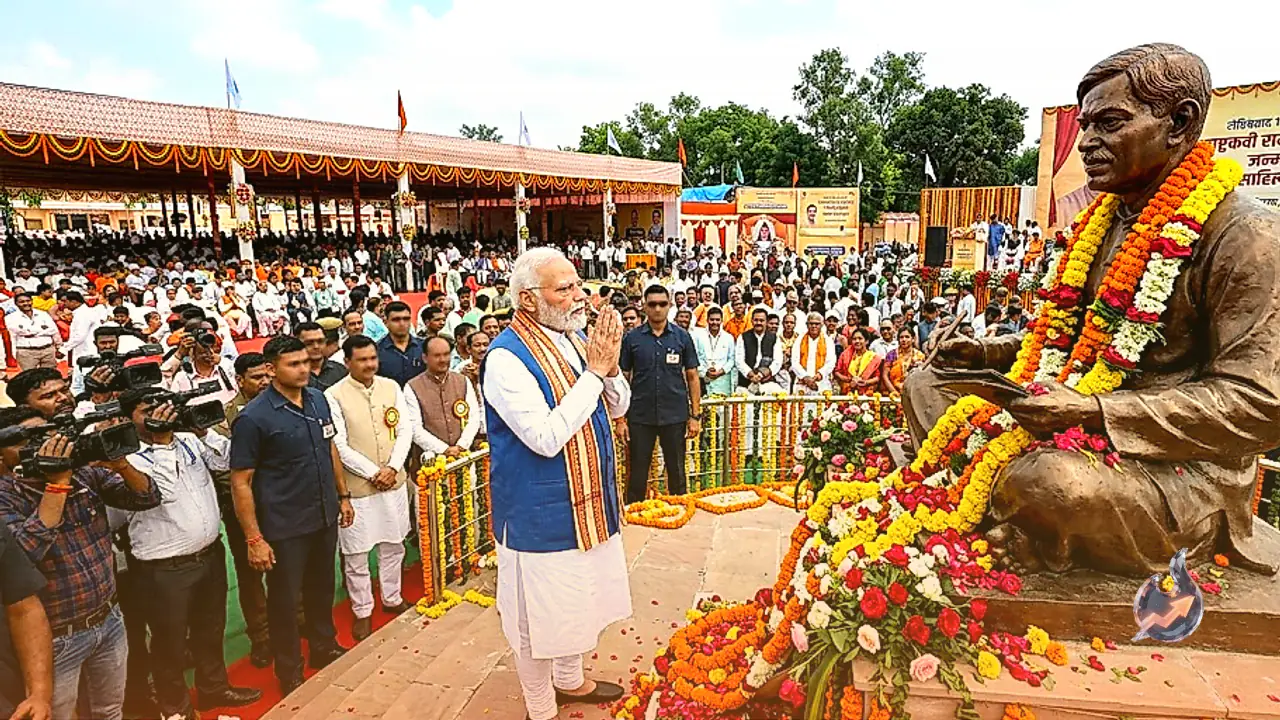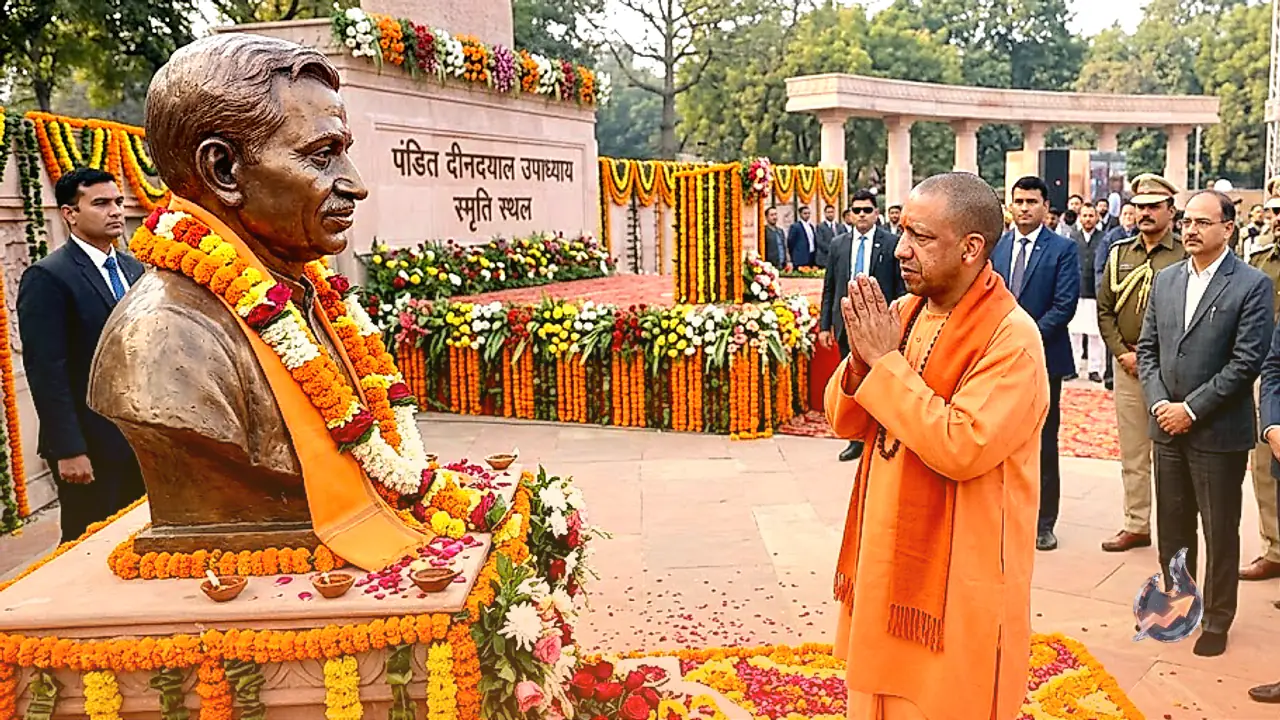




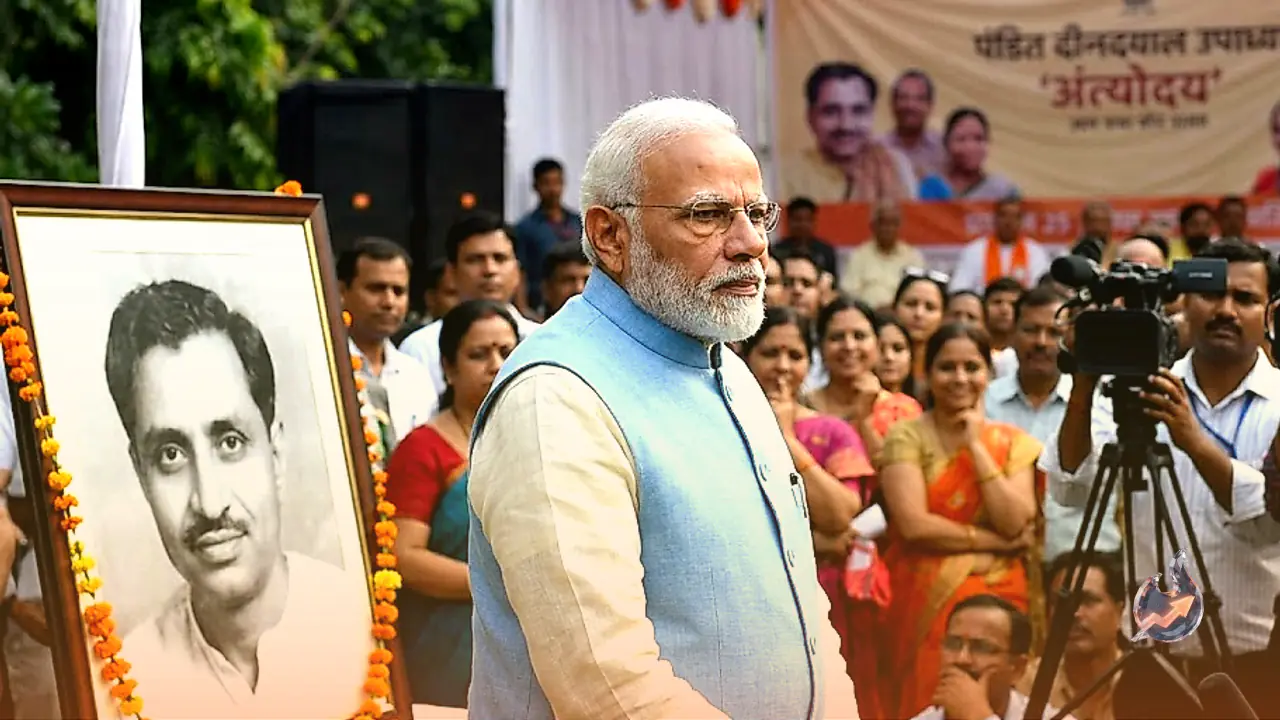

















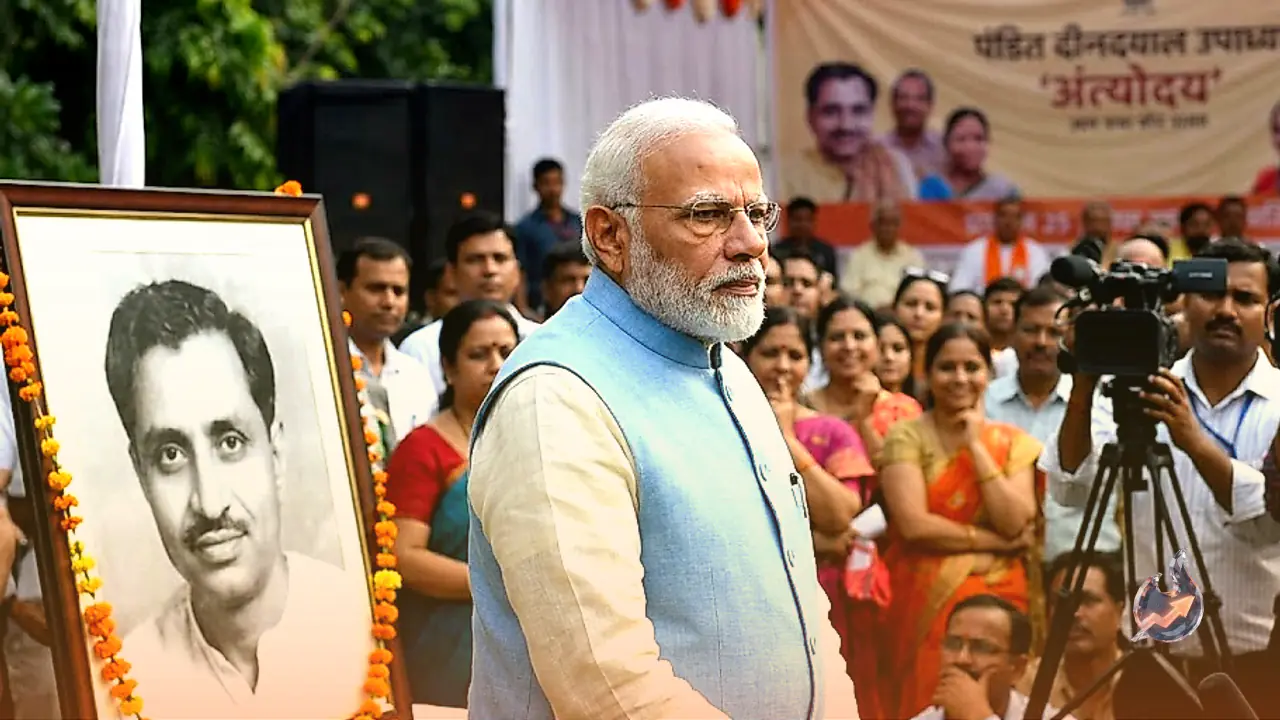

On the birth anniversary of Pandit Deendayal Upadhyaya, Narendra Modi shared a tribute on the social media platform X, honouring his contributions to national service. Modi described him as a dedicated practitioner of service to the country, highlighting his core belief that empowering the person standing at the very end of the line forms the true foundation of nation building. He noted that the philosophy of Antyodaya continues to serve as an enduring source of motivation for public welfare initiatives today.
The Philosophy of Antyodaya and Public Welfare
In his online post, Narendra Modi emphasized that Deendayal Upadhyaya provided an ideological framework centered on social upliftment and inclusive progress. The core tenet of this perspective is that true progress is achieved only when the benefits of development reach the most marginalized segments of society. Modi urged citizens to reflect on these ideals on this special occasion, noting that such principles remain deeply relevant for framing policies that prioritize the well-being of every citizen across the nation.
About दीन दयाल उपाध्याय गोरखपुर विश्वविद्यालय
The legacy of Pandit Deendayal Upadhyaya is commemorated across academic institutions, among which Deen Dayal Upadhyaya Gorakhpur University stands as a prominent name. Situated in the city of Gorakhpur in the Indian state of Uttar Pradesh, this higher education institution operates as an established university serving the region. It plays a significant role in advancing university education, research, and intellectual development across the state. The institution continues to cater to a vast student community, aligning academic learning with broader social and regional progress.
Public Reaction
Following the publication of the tribute, members of the public expressed a variety of views across the platform. While numerous individuals echoed reverent sentiments regarding Pandit Deendayal Upadhyaya's philosophical contributions and dedication to the nation, others voiced critical perspectives concerning contemporary governance, affirmative action policies, and everyday administrative matters.