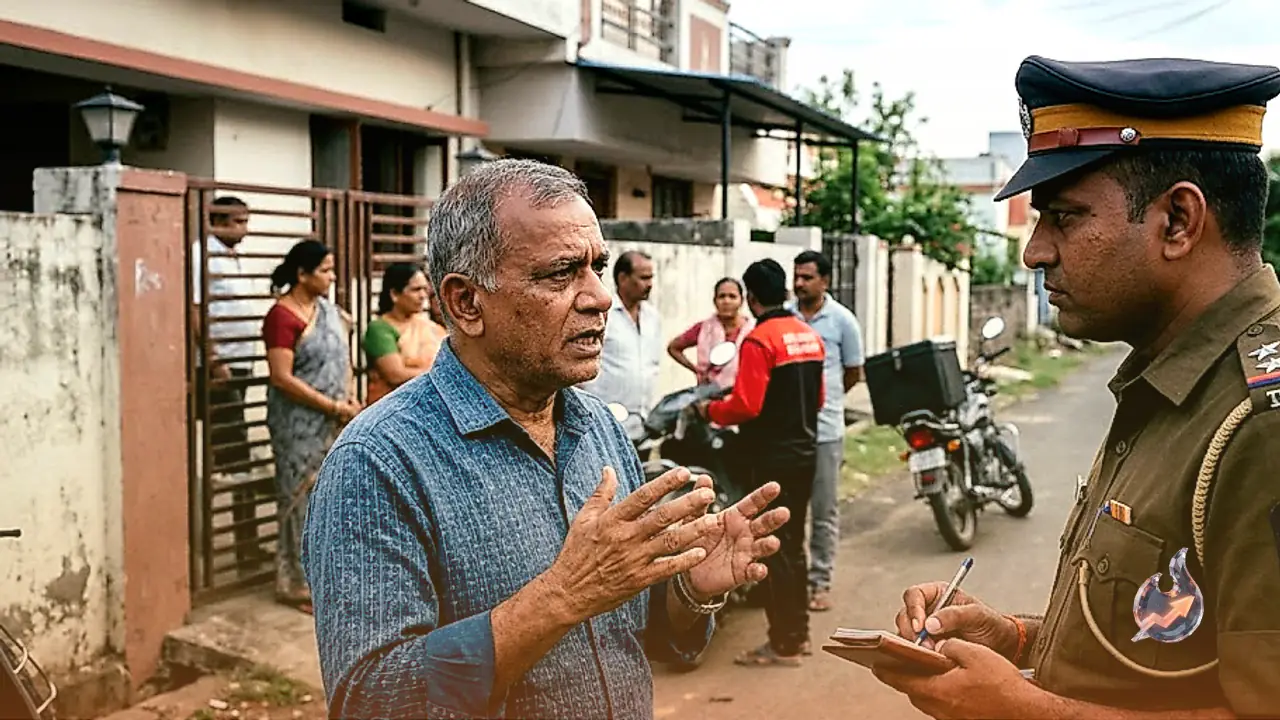






















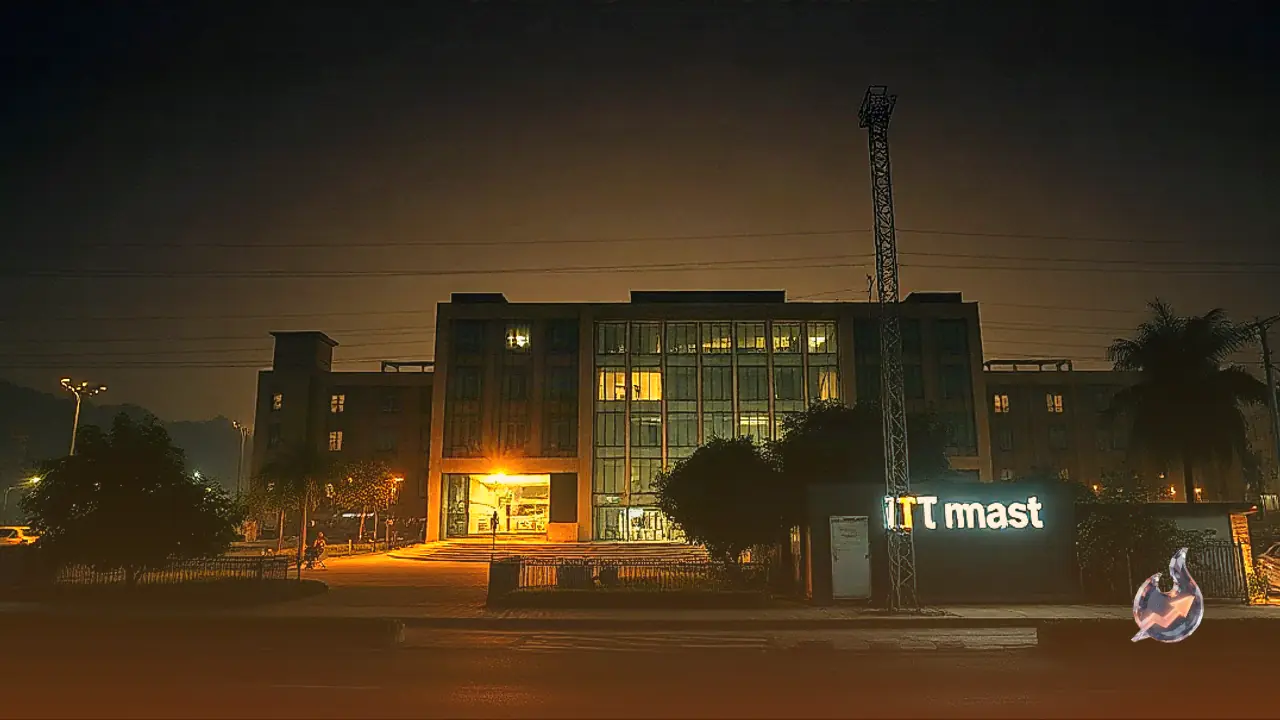

In the aftermath of the tragic death of Indian Institute of Technology Bombay student Sahil Wakode, his grieving family has formally approached law enforcement authorities seeking immediate personal security. On September 29, Advocate Nikhil Kamble, representing the student's father Ravindra Wakode and mother Sonali Wakode, submitted an official memorandum addressed to the Mumbai Police Commissioner, the Joint Commissioner of Police for Law and Order, and the Joint Commissioner of the Crime Branch, pressing for round-the-clock protection.
Details of the FIR and Ongoing Investigation
Sahil Wakode, who was enrolled in the second year of his academic programme at IIT Bombay, died inside his hostel room on September 18, 2026. Following the incident, an official First Information Report, registered under FIR number 999/2026, was lodged at the Powai Police Station. The police invoked Section 108 of the Indian Penal Code alongside Sections 3(1)(r) and 3(1)(s) of the Scheduled Castes and Scheduled Tribes (Prevention of Atrocities) Act. The comprehensive probe has since been reassigned and is currently handled by Detection Unit-1 of the Mumbai Crime Branch.
Named Individuals and Lack of Custodial Action
The legal communication highlights that several individuals are named in connection with the complaint, including IIT Bombay Director Prof. Shireesh B., alongside Kedar and Prof. Suryanarayana Dola, among others. Advocate Kamble brought to the notice of senior police leadership that none of the persons named in the FIR have been arrested so far, which has exacerbated the family's anxieties regarding potential witness tampering and obstruction of justice.
Threat Perceptions and Statutory Protection Rights
The memorandum emphasizes that safety concerns escalated significantly after specific examination-related CCTV footage involving Sahil was aired on certain news channels on September 23. Apprehending severe coercion, intimidation, and undue external pressure, the family has requested dedicated police cover at their residence as well as comprehensive transit security during travel mandated by investigative interrogations and judicial hearings. The representation explicitly cites Section 15A of the SC/ST Prevention of Atrocities Act, pointing out the statutory obligation of the state machinery to protect victims, their dependents, and witnesses from any intimidation, harassment, or violent retaliation.