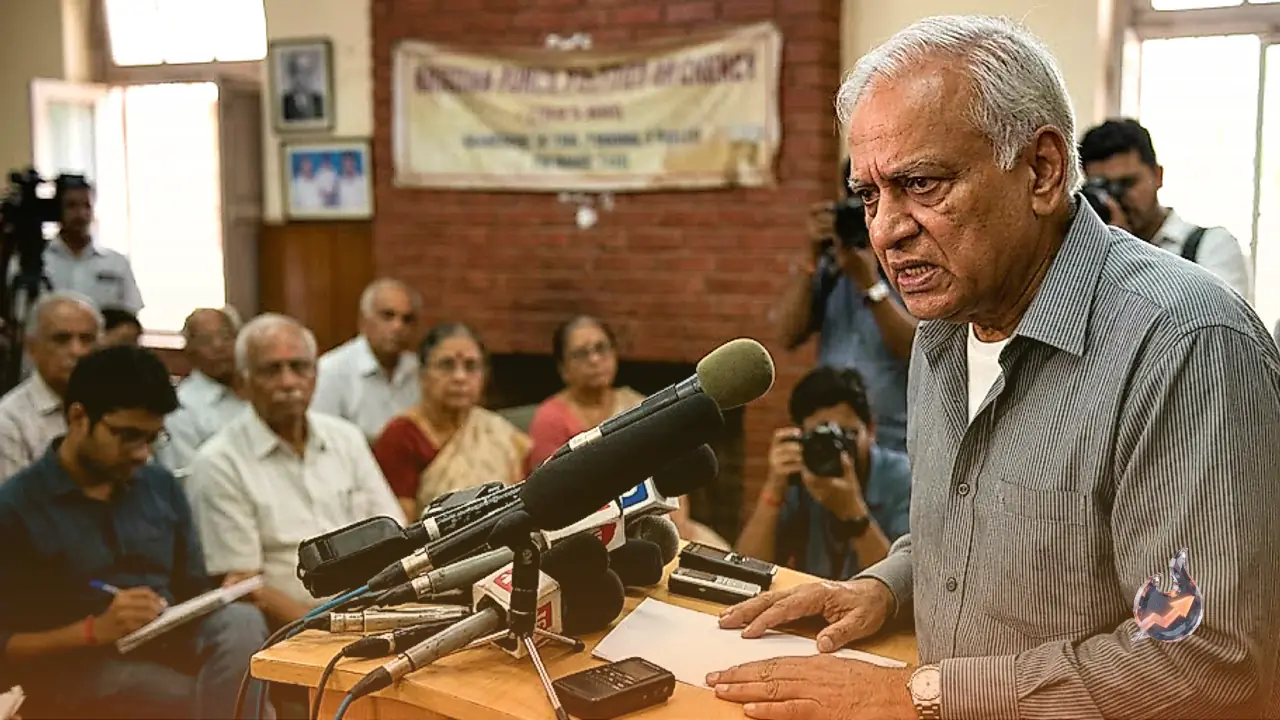
























Maharashtra Navnirman Sena president Raj Thackeray has addressed the tragic demise of Sahil Wakode, a 20-year-old student at IIT Bombay, highlighting deep systemic fractures within modern higher education. Thackeray stated that intense academic burden, fierce competition, and an escalating climate of caste-based division are driving young minds to despair. He observed that the primary national concern should have been examining the underlying triggers that forced a promising young learner to end his life, yet the conversation has largely been steered into ideological and identity-driven rhetoric.
Flawed Rush to Judgement Before Inquiries
A central grievance raised by the MNS leader focused on the institutional handling of academic disciplinary matters. Thackeray criticised the campus authorities for penalising the student over alleged exam infractions, including accusations of using a smartphone and ChatGPT, without concluding an objective inquiry first. While acknowledging that supervising staff and professors must prevent cheating during examinations, he emphasised that presuming a learner guilty prematurely is entirely unjust. In the same vein, he cautioned against instantly vilifying faculty members the moment discrimination claims arise, noting that fair, evidence-based inquiry must precede any determination of culpability on either side.
Rising Societal Fault Lines and Modern Youth Distress
Reflecting on broader trends across Maharashtra since 2000, Thackeray expressed deep unease over how caste tensions have permeated premium seats of learning that Pandit Nehru once envisioned as modern temples of India. He remarked that academic strain is no longer confined to technical campuses. According to him, brutal entrance exam rivalries, punishing syllabi, and unrelenting anxieties surrounding campus recruitment drives are jointly contributing to widespread clinical depression among youth across multiple sectors.
Demand for Comprehensive Safeguards and Structural Changes
Directing his message to the student community, Thackeray urged scholars not to fall prey to politically motivated polarization rooted in faith or caste. Instead, he encouraged them to unite against the procedural deficiencies of current educational structures. He endorsed key welfare demands raised by students at the institute, notably the permanent, 24-hour presence of qualified psychiatrists, transparent frameworks for resolving grievances, and far more compassionate disciplinary protocols. Eliminating systemic flaws in the academic ecosystem, he stated, represents the only meaningful tribute to Sahil's memory.
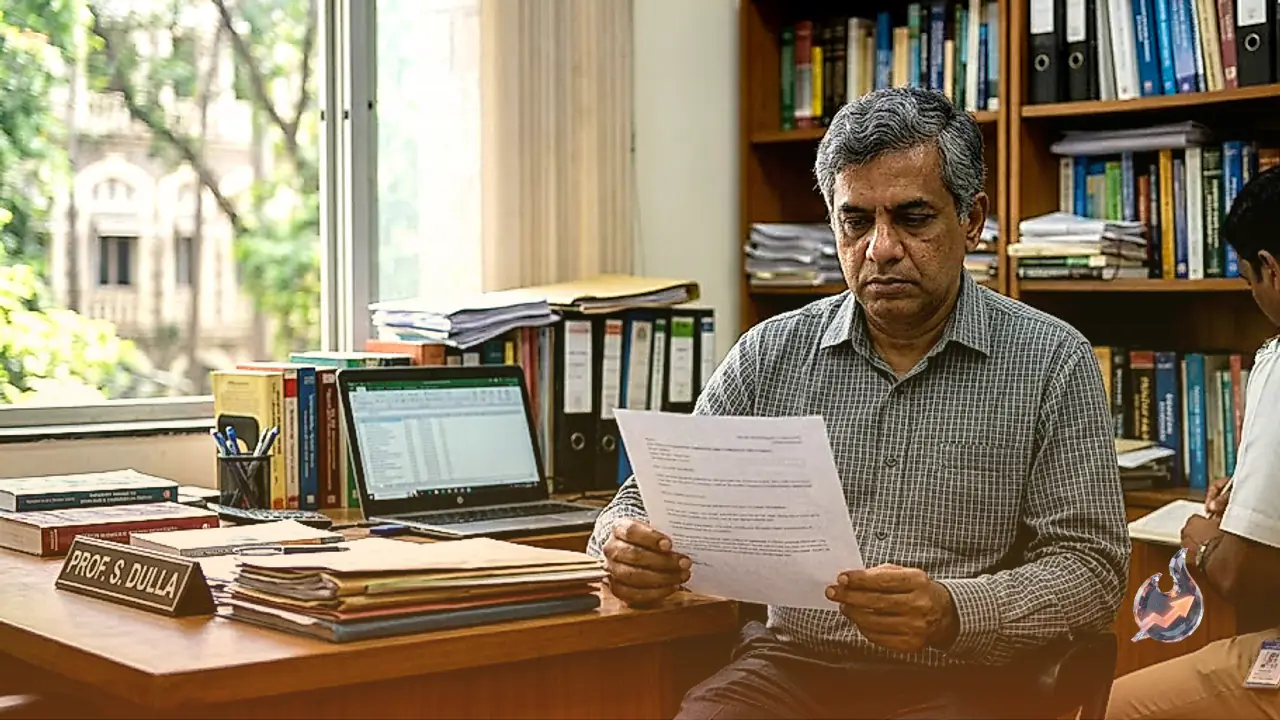
Prior to these remarks, administrative measures were initiated at the institute, resulting in Professor Suryanarayana Doolla being directed to proceed on leave while a ten-member panel conducts a comprehensive investigation into the incident.