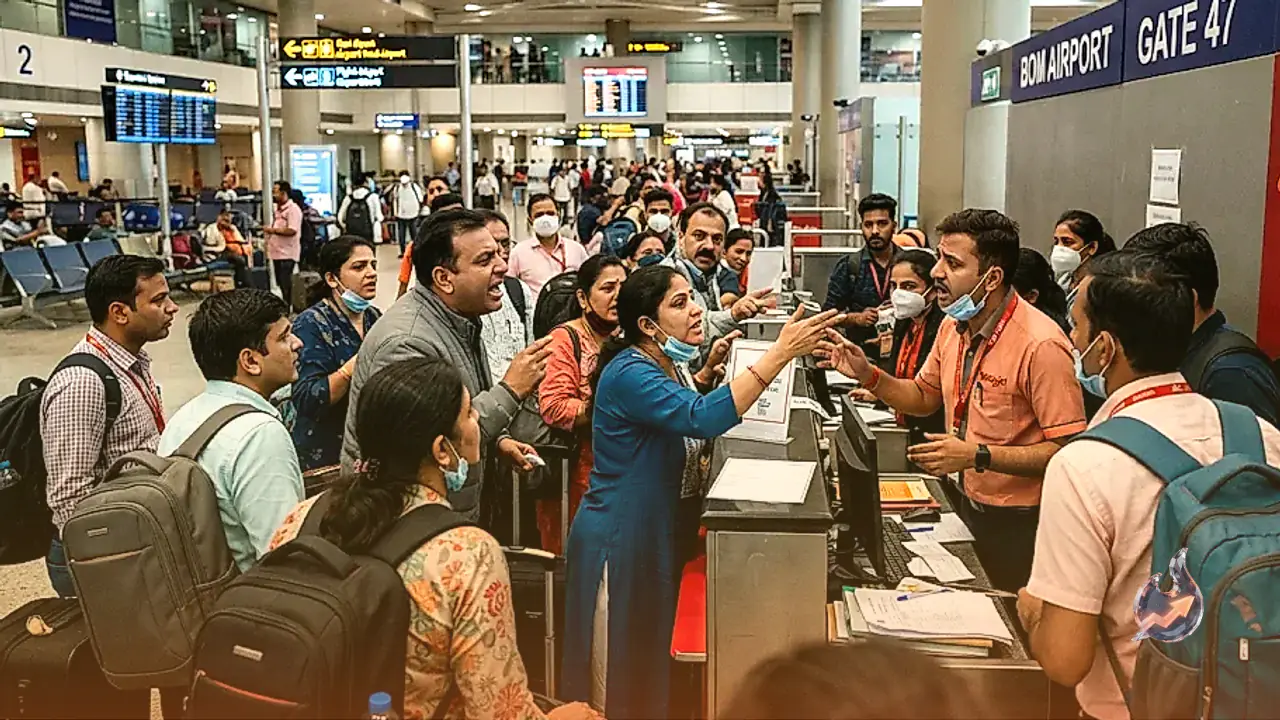

Travelers at the Mumbai domestic airport faced immense frustration as they arrived to find flight information and assistance completely unavailable, with the airline's counter shuttered and no representatives present. Outraged by the lack of support, angry passengers took matters into their own hands by pasting 'Scammer' posters directly onto the deserted SpiceJet counter to register their protest. Concurrently, the Directorate General of Civil Aviation has intervened in the mounting crisis, issuing a formal show-cause notice to the airline over continuous flight cancellations and widespread operational lapses, while demanding an explanation within seven days.
DGCA Questions Airline on Operational Failures
The aviation regulator has raised serious concerns regarding SpiceJet's frequent flight cancellations and its overarching operational shortcomings, highlighting a sharp decline in the carrier's performance standards. The notice specifically points out persistent delays, a growing number of scrapped flights, and the airline's inability to operate in alignment with its approved flight schedules. Furthermore, the regulator criticized the carrier's passenger facilitation measures, noting that adequate steps had not been implemented to mitigate the heavy inconveniences suffered by travelers resulting from disruptions across both domestic and international networks.
Deepening Financial Distress Grips the Carrier
The operational bottlenecks facing the airline are deeply rooted in its deteriorating financial health, which has pushed the company to the brink. Severe cash crunches, mounting unpaid dues, grounded aircraft, and consistent delays in salary disbursements have placed SpiceJet in an exceptionally vulnerable position. These developments have sparked widespread questions regarding whether the enterprise can sustain its operations without an immediate injection of capital. The domestic market share of the airline, which stood at approximately 4% in January, plummeted to a meager 0.6% by October, with conditions deteriorating further through November.
A Stark Contrast From Pre-Pandemic Standing
The current standing of the carrier bears little resemblance to its former market position. Prior to the COVID-19 pandemic in 2019, SpiceJet operated as India's second-largest airline, commanding a domestic market share of roughly 15%. The company has grappled with liquidity pressures for years, and the aftermath of the global pandemic only served to compound its fiscal distress. Presently, the airline operates with fewer than 10 functional aircraft because it has failed to clear payments owed to aircraft lessors. Additionally, multiple vendors, including airports and fuel suppliers, have subjected SpiceJet to strict 'cash-and-carry' terms due to prolonged payment defaults.
Working Capital Strain and Fundraising Plans
Under this restrictive arrangement, the airline is mandated to make daily cash payments to avail services from these vendors, underscoring a critical scarcity of working capital. Addressing these severe hurdles earlier in the week, SpiceJet announced that its board has approved a proposal to raise up to 5,500 crore rupees to shore up its financial footing. Nevertheless, uncertainty remains regarding the exact timeline for the completion of this fundraising initiative.