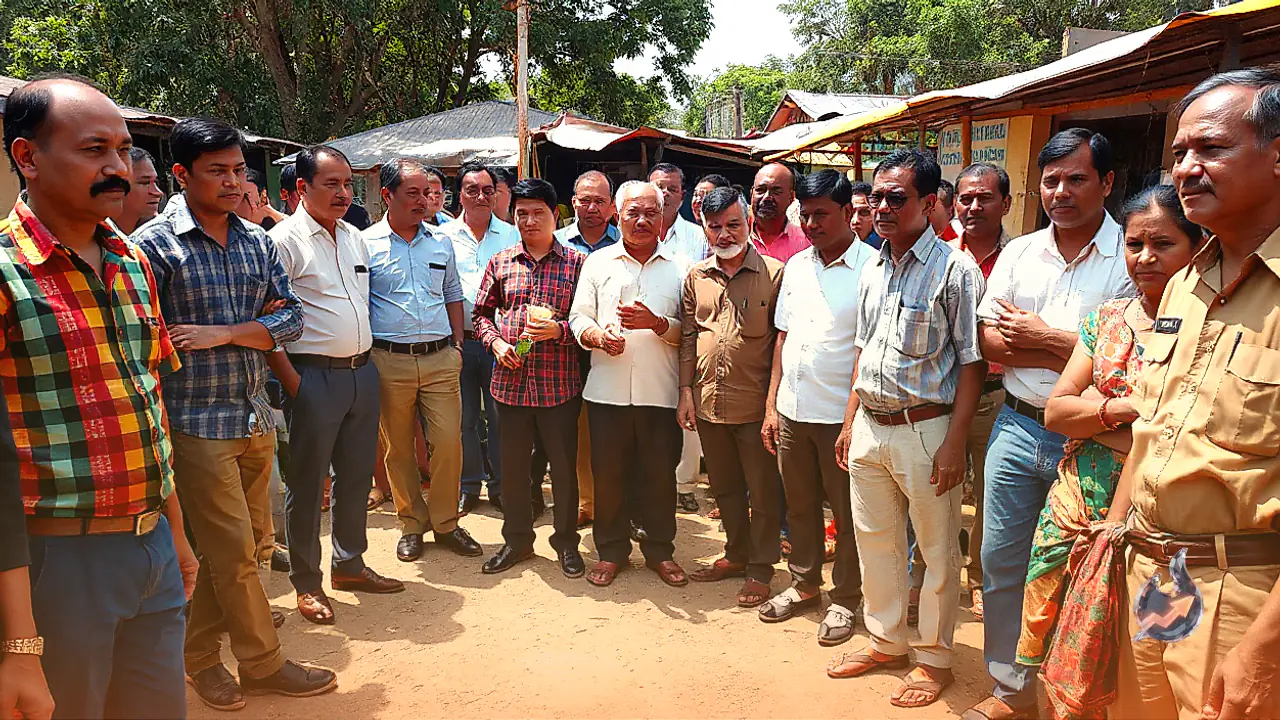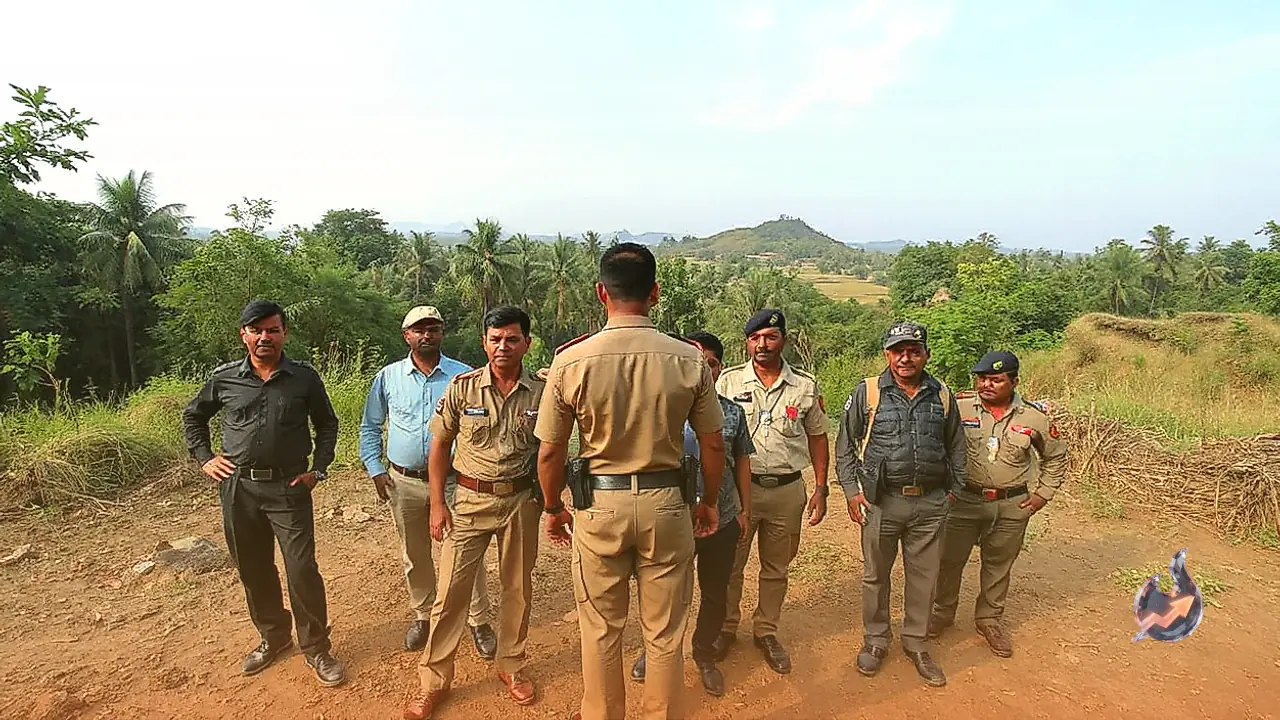

A collaborative initiative has been launched to curb illegal wildlife trafficking and reinforce biodiversity protection along the sensitive international frontier between India and Myanmar. The Tengnoupal Forest Division, working alongside the Wildlife Trust of India, organized a high-level inter-agency coordination meeting and training session in Moreh, Manipur.
Strengthening Border Enforcement and Coordination
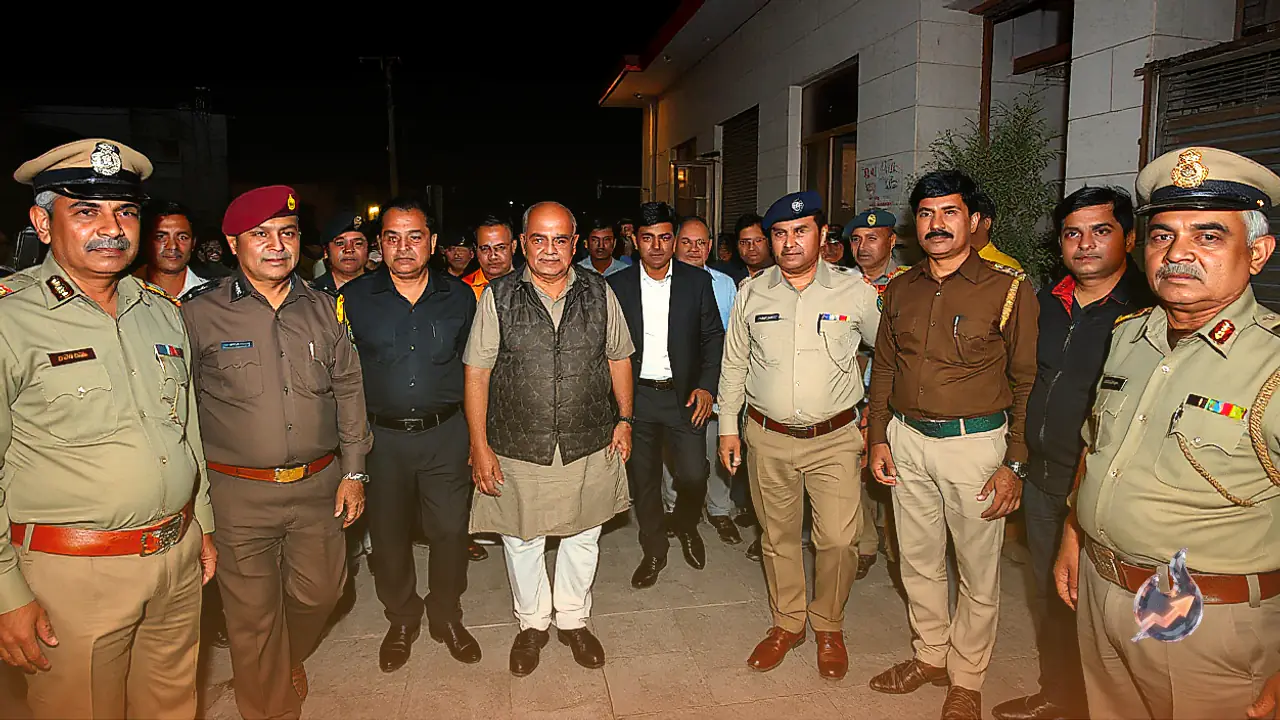
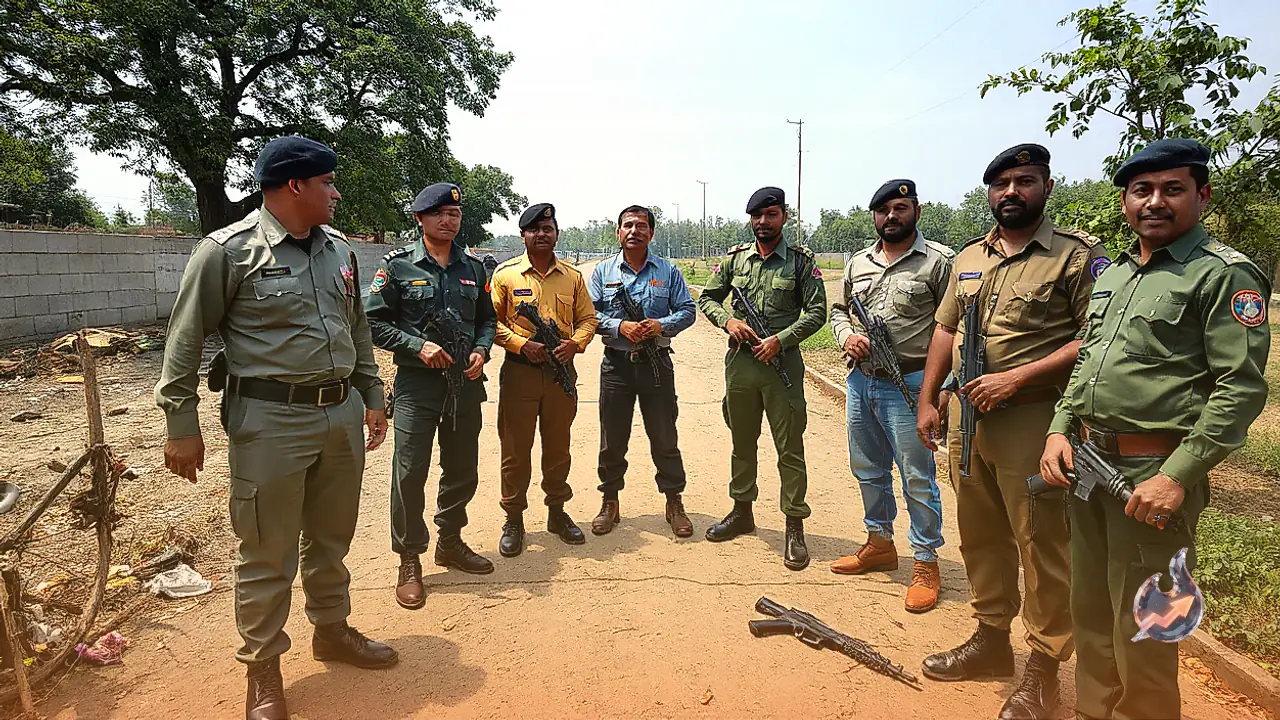
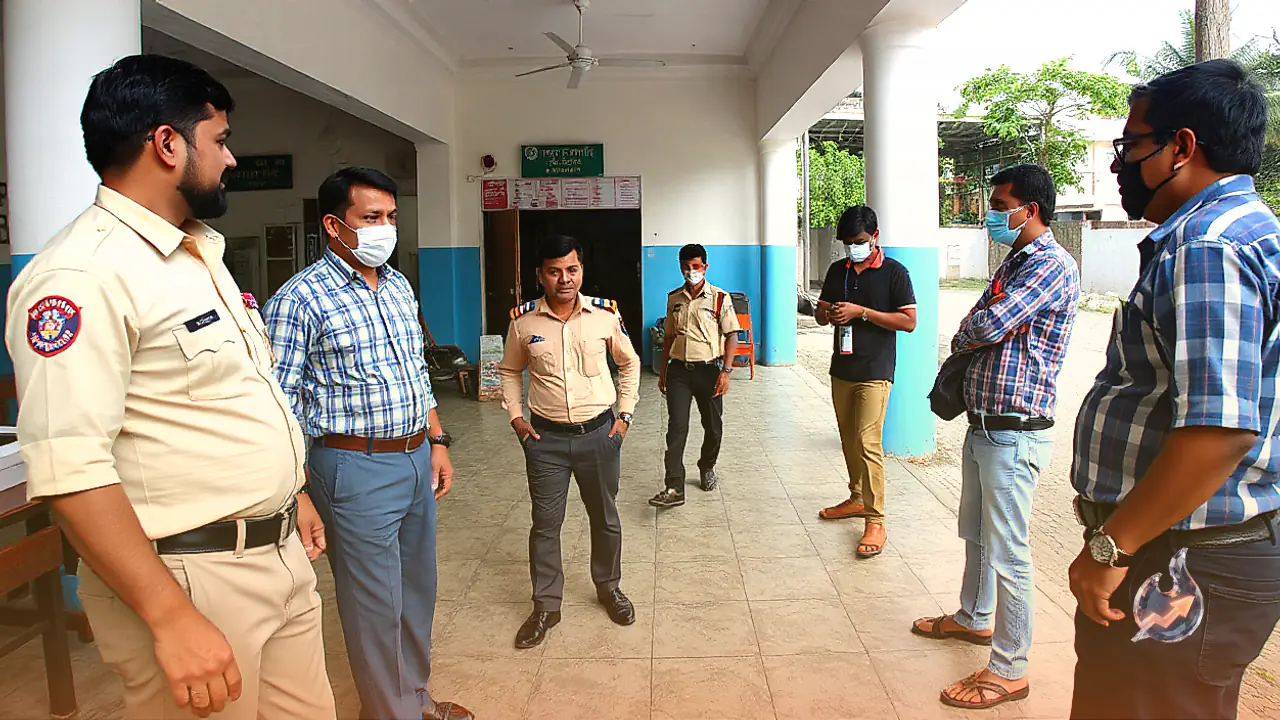
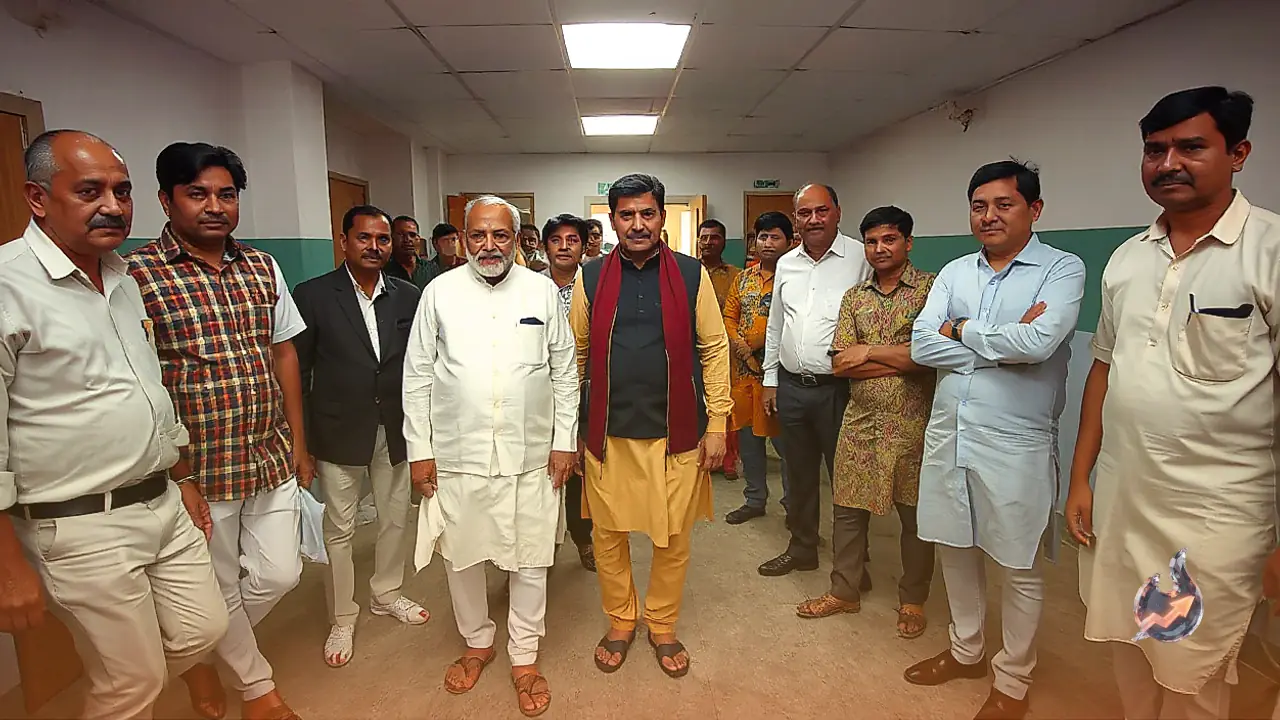
Hosted at the Integrated Check Post Conference Hall, the programme focused on upgrading wildlife crime detection and enforcement mechanisms across the border region. Approximately 50 officers and frontline personnel representing various border-guarding forces, intelligence units, and law enforcement agencies attended the gathering.
Discussions centered on the vulnerabilities created by porous international borders, which trafficking networks frequently exploit to smuggle protected animal species and wildlife products across national boundaries. Participating organizations included the Tengnoupal District Police, the 3rd and 36th Assam Rifles, the Ad-hoc 12 M&C and 13 M&C units in Moreh, the Subsidiary Intelligence Bureau, and the manager of the Integrated Check Post.
Expert Training and Operational Capability Building
Addressing the attendees, Mahamuda Begum, IFS, Deputy Conservator of Forests for the Tengnoupal Forest Division, emphasized the necessity of tight agency coordination to dismantle organized wildlife smuggling rings. She noted that when forest staff, paramilitary forces, police, customs, and intelligence branches exchange real-time intelligence and operate as a unified force, border checkpoints transform from vulnerable transit routes into formidable conservation strongholds.
The event also featured specialized training modules led by experts from the Wildlife Trust of India to boost the operational readiness of frontline personnel. These sessions covered the accurate identification of wildlife species and illegal wildlife derivatives, relevant legal provisions under wildlife protection laws, and improved inspection protocols at vulnerable border crossing points.
Collective Resolve for Joint Surveillance
Throughout the programme, attendees actively contributed to discussions by sharing field-level perspectives and examining the practical hurdles encountered while addressing wildlife crimes in the border zone. The collaborative sessions allowed personnel to exchange valuable operational experiences.
The meeting concluded with a reaffirmed commitment from all participating agencies to intensify joint surveillance, share intelligence seamlessly, and execute coordinated enforcement actions across the Tengnoupal-Moreh sector to suppress wildlife trafficking and safeguard the region's natural heritage.