

















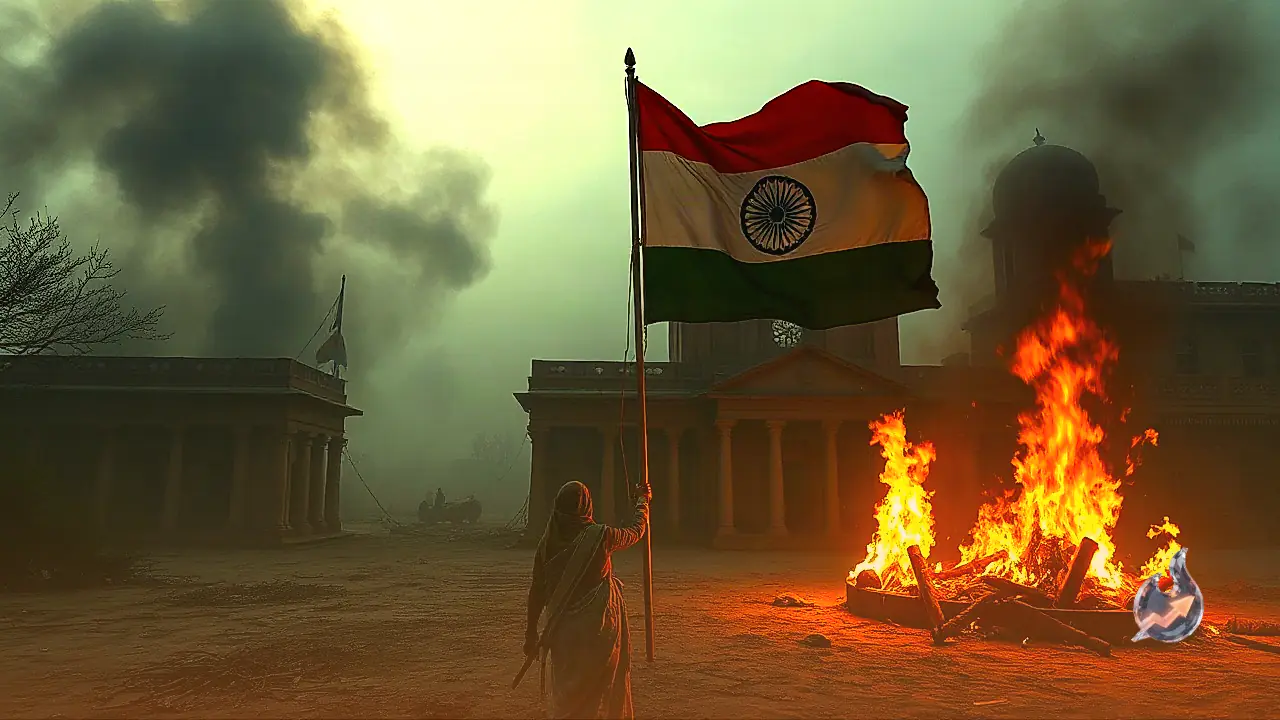

The history of Meghaul village in Bihar’s Begusarai district stands as a prominent symbol of resistance and sacrifice during the Indian freedom struggle. During the August Revolution of 1942, local freedom fighters executed a bold act of defiance against British colonial authorities that continues to echo through the region’s collective memory. Protesters entered a British indigo factory located in Daulatpur Panchayat within Khodawandpur block, draped a Khadi saree on the British officer’s wife, and hoisted the Indian Tricolor atop the residency. The retaliatory violence inflicted by colonial forces on Meghaul in the aftermath carved the village’s name permanently into the annals of India's independence movement.
Khadi Saree, Gandhi Cap, and the Tricolor at Daulatpur Residency
The historic confrontation took place against the backdrop of the Civil Disobedience Movement and the Quit India Movement of 1942. At Daulatpur Panchayat in the Khodawandpur block of Begusarai district, a large British indigo factory, locally known as Neel Kothi, served as the residence of British officer CJ-18 and his family. The historical structure still remains standing today. Protesters returning from sabotage operations along the Rosera route redirected their march toward the Daulatpur residency.
Upon reaching the estate, the freedom fighters fearlessly entered the premises. In a symbolic act aimed at dismantling imperial authority, they presented the British officer’s wife with a Khadi saree and a Gandhi cap, dressing her in the national attire. They then proceeded to raise the Indian Tricolor on the main building of the residency. This daring action served as a direct strike against colonial power in the region.
Brutal Colonial Retaliation on 24 August 1942
British officer CJ-18 was absent from the residency when the incident occurred, having traveled to the Samastipur district headquarters. Upon his return the following day, he was informed about the protesters dressing his wife in Khadi and hoisting the national flag over his official residence. Outraged by the breach of authority, British administrators ordered a punitive crackdown on the surrounding villages to crush the local resistance.
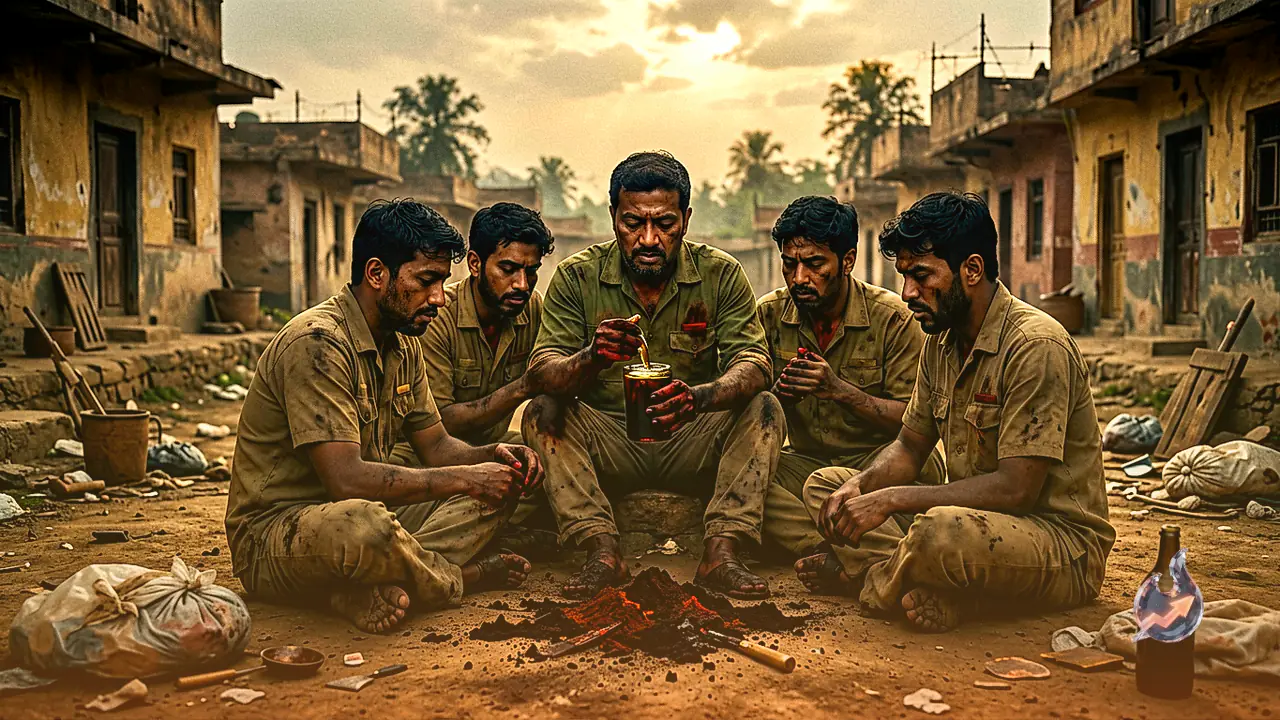
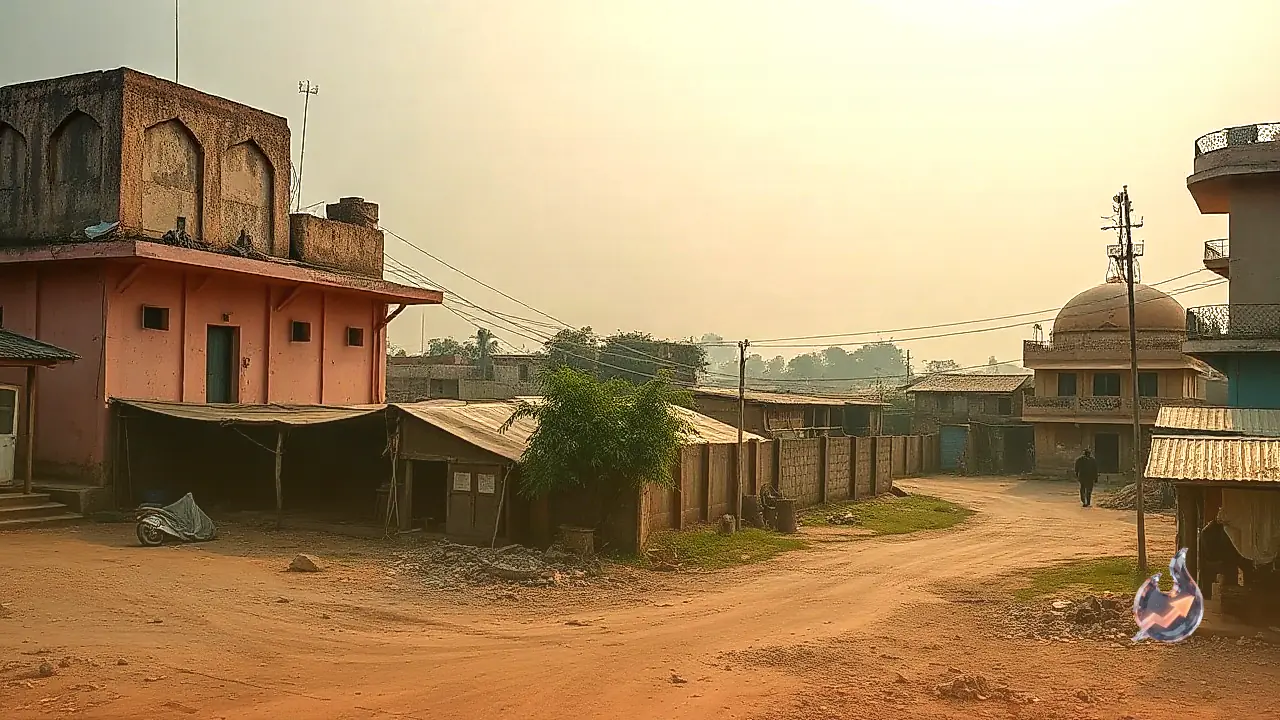
On 24 August 1942, dozens of armed British troops launched a sudden assault on Daulatpur Panchayat and Meghaul village. The soldiers systematically set fire to the entire village of Meghaul, causing homes to be consumed by flames. As residents rushed to extinguish the fires and protect their dwellings, British troops opened fire on the civilians to enforce terror across the locality.
The Heroic Martyrdom of Radha Prasad Singh and Ramjeevan Jha
The military crackdown resulted in the deaths of two freedom fighters from the area. British soldiers forcefully dragged freedom fighter Radha Prasad Singh from his residence. The troops confiscated a dagger attached to his waist, subjected him to severe physical beatings, and ultimately burned him alive in the fire, causing his death on the spot.
The second casualty was Ramjeevan Jha, a native of Pokhram village in Darbhanga district and the maternal grandson of Maheshwar Mishra. Ramjeevan Jha was residing in Meghaul at the time to pursue his education. When the fire set by British soldiers spread through the village, he attempted to throw water to put out the flames. British troops targeted him and shot him dead at the scene, marking his sacrifice for the nation.
Meghaul’s Legacy in the Freedom Struggle and Demands for Preservation
The contribution of Meghaul extended beyond these two martyrdoms. According to 80-year-old resident Dukharan Das and local journalist Arun Mishra, more than 20 individuals from Meghaul actively participated in the 1942 independence movement, with several enduring imprisonment and laying down their lives. The violent crackdown ignited widespread anger across Begusarai and neighboring districts, strengthening anti-colonial sentiment.
Today, Meghaul is recognized regionally as a martyr village. Every year on 15 August (Independence Day) and 26 January (Republic Day), community members assemble to honor the memory of Radha Prasad Singh and Ramjeevan Jha. The village organizes commemorative ceremonies and cultural tableaux to pay tribute to their sacrifice. However, local residents express disappointment that the district administration has yet to undertake comprehensive official measures to preserve the historical sites and institutionalize the memory of these freedom fighters.