























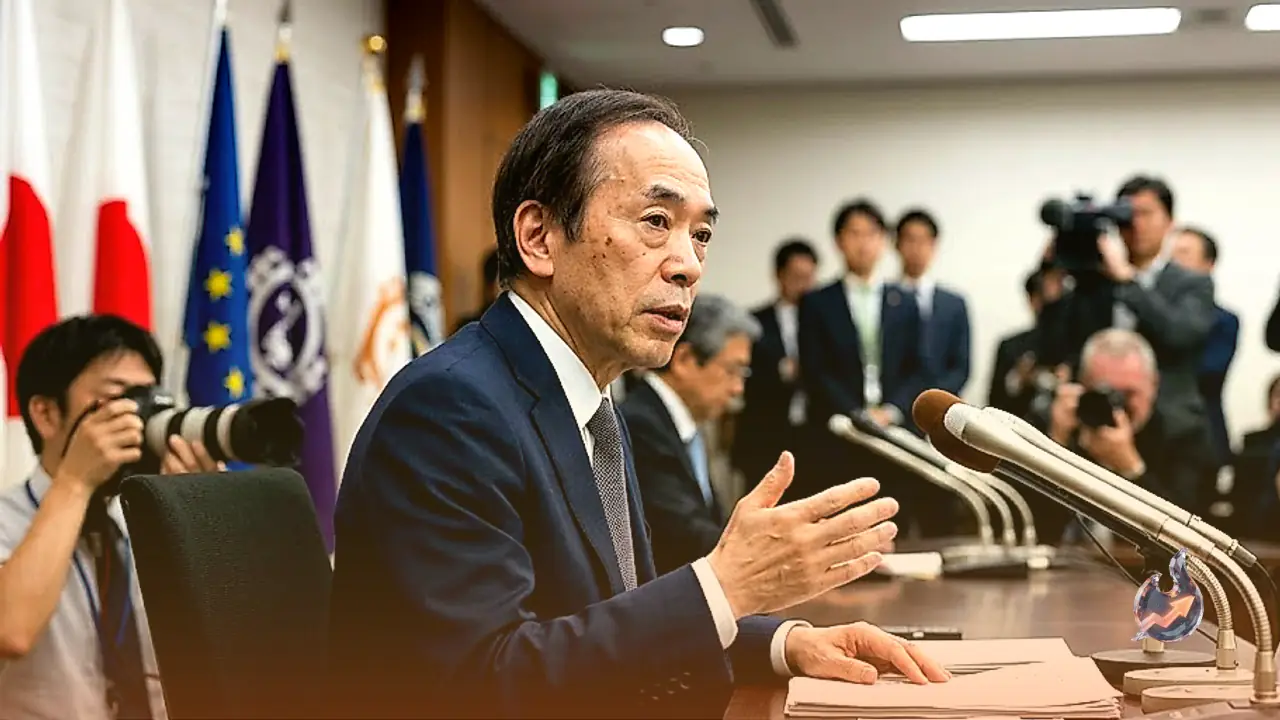

The latest summary of opinions from the Bank of Japan reveals a sharp split among board members regarding the future trajectory and pacing of interest rate hikes. One perspective argued that keeping the policy rate unchanged is entirely appropriate at this stage, citing the roughly one-to-one-and-a-half-year lag before the effects of any monetary tightening fully filter through to inflation and economic activity. Acting prematurely, from this viewpoint, could disrupt the ongoing recovery.
Conversely, another board member maintained that domestic financial conditions remain sufficiently accommodative to allow the central bank to press ahead with further rate increases. Pushing this argument even further, a different opinion suggested that upside risks to prices could accelerate, meaning the actual pace of rate hikes might need to outstrip current market expectations.
Economic Resilience Amid Global Crosscurrents
Policymakers characterised the Japanese economy as experiencing a moderate recovery while navigating complex crosscurrents. Middle Eastern geopolitical tensions continue to weigh on economic activity, though this drag is being effectively counterbalanced by robust artificial intelligence-related demand. Furthermore, the ongoing weakness of the Yen presents a dual-sided impact on the broader economic landscape.
One member highlighted that while Japan has historically suffered severe contractions in demand and sharp deceleration in inflation during major external economic shocks, the domestic economy has displayed remarkable resilience against both United States tariff policies and Middle East conflicts. Projections indicate that underlying consumer price inflation will align with the stability target between the second half of fiscal 2026 and fiscal 2027, driven higher by foreign exchange pressures, technological demand, and regional risks.
Yen Dynamics and Market Reactions
Following the release of these central bank documents, the USD/JPY currency pair maintained modest intraday gains, hovering close to the 158.00 threshold. The Bank of Japan serves as the nation's primary monetary authority, tasked with issuing banknotes and executing monetary control to preserve price stability around its targeted two percent inflation rate.
The central bank initiated an ultra-loose monetary policy framework back in 2013 to stimulate economic growth and combat persistent low-inflation conditions. This framework relied heavily on quantitative and qualitative easing, involving extensive asset purchases of government and corporate debt to inject liquidity. In 2016, policymakers deepened this strategy by introducing negative interest rates and yield curve control for ten-year government bonds. This prolonged easing stance shifted significantly in March 2024 when the bank finally lifted interest rates, moving away from its historic ultra-loose monetary posture.
The extended period of aggressive monetary stimulus triggered a significant depreciation of the Yen against major foreign currencies. This currency decline intensified through 2022 and 2023 due to a growing divergence between the dovish stance of the Bank of Japan and the aggressive rate-hike cycles adopted by other major global central banks fighting multi-decade inflation highs. Although this widening rate differential weighed heavily on the Japanese currency, the trend began to reverse when the central bank abandoned its negative interest rate policy.
A combination of a softer Yen and surging global energy costs pushed domestic inflation beyond the two-percent target, aided by expectations of rising wage growth across the country. Meanwhile, broader global markets reacted to shifting macroeconomic data, including weaker-than-expected US non-farm payroll figures that exerted downward pressure on the US Dollar and provided fresh tailwinds for assets like gold ahead of upcoming US inflation releases and Middle Eastern developments.