




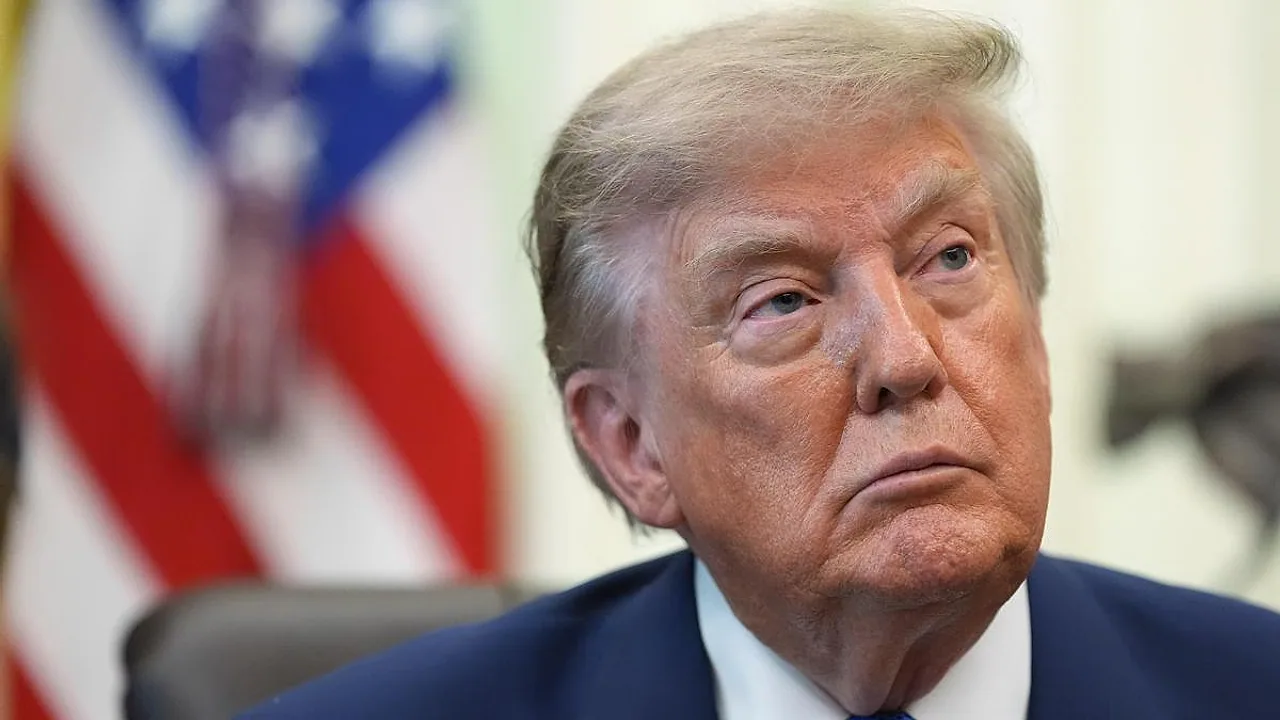




















West Texas Intermediate crude oil prices experienced a depreciation, moving down after registering over four percent gains in the previous trading session, and hovered around $76.40 per barrel during Asian trading hours on Monday. Despite this downward correction, crude oil prices retain strong potential for a rebound as persistent uncertainty continues to cloud international efforts aimed at reopening the critical Strait of Hormuz.
Strait of Hormuz Negotiations and Regional Security
Over the weekend, Iranian officials indicated that discussions with Oman regarding the establishment of a safe shipping route through the strategic waterway are nearing a potential agreement. However, Tehran issued a cautionary note specifying that any finalized deal would not translate into an immediate reopening of the vital maritime passage. Meanwhile, regional security remains exceptionally fragile, underscored by claims from Yemen-based, Iran-backed Houthi militants regarding an attack on Saudi Arabia's Jazan refinery, alongside a targeted strike on an Abu Dhabi National Oil Company tanker operating within the strait.
Diplomatic Stalemate and US-Iran Stand-off
Diplomatic progress remains thoroughly stalled, primarily because Tehran rejected direct negotiations with the United States for the time being, citing alleged violations of the interim peace agreement reached in June. Iran continues to stand firm on its core demands, which include bringing an end to the US naval blockade, lifting sweeping economic sanctions, and securing compensation for war damages. Despite mounting political pressure on the Washington administration to resolve the diplomatic deadlock with Tehran, President Donald Trump has signaled a stance of patience regarding ongoing negotiations.
Broader Geopolitical Tensions Involving Gaza
Adding layers of complexity to regional instability, Israeli Prime Minister Benjamin Netanyahu rejected President Trump's fifteen-point Gaza plan, even as Israeli military forces scaled back their offensive operations. Conversely, Hamas reported its continued commitment to the proposal, while United States officials characterized Netanyahu's rejection as a strategic maneuver driven by domestic political considerations. Given Tehran's firm backing of Hamas, the ongoing conflict in Gaza remains inextricably linked with the broader geopolitical stand-off between the United States and Iran.
According to insights from TD Securities, energy markets continue to hold out hope for a diplomatic breakthrough, even though their high-frequency data indicate that global crude balances have shifted back into a meaningful deficit while product markets remain tightly supplied. Bank strategists argue that this combination of constructive underlying fundamentals and lingering optimism regarding potential deal-making helps anchor market sentiment for both WTI and Brent, despite the recent price pullback.
Understanding WTI Crude Oil Fundamentals
WTI Oil is a specialized type of crude oil sold on international commodity markets. The acronym WTI stands for West Texas Intermediate, serving as one of the three major global crude benchmarks alongside Brent and Dubai Crude. WTI is frequently characterized as light and sweet due to its relatively low gravity and minimal sulfur content respectively. It is classified as a high-quality oil that undergoes seamless refining processes, sourced primarily within the United States and distributed via the Cushing hub, widely recognized as the pipeline crossroads of the world. As a premier benchmark for the global oil market, the WTI price is regularly quoted across financial media.
Key Drivers of WTI Oil Pricing
Like all traded financial assets, supply and demand fundamentals remain the primary drivers governing WTI Oil prices. Broader global economic growth frequently serves as a catalyst for increased demand, while sluggish global expansion produces the opposite effect. Political instability, armed conflicts, and economic sanctions can severely disrupt supply chains and sway valuations. Decisions made by OPEC, a coalition of major oil-producing nations, represent another critical pricing determinant. Furthermore, the valuation of the US Dollar heavily influences WTI crude prices because oil is predominantly denominated and traded in US Dollars, meaning a weaker dollar typically makes oil more affordable internationally and vice versa.
Weekly oil inventory reports published by the American Petroleum Institute and the Energy Information Agency significantly impact WTI oil pricing dynamics. Inventory fluctuations directly reflect shifting supply and demand balances. Recorded drops in inventory signal heightened demand and push prices upward, whereas rising inventories indicate oversupply and drive prices down. The API report is released every Tuesday, followed by the EIA report the subsequent day. Their findings typically align within one percent of each other seventy-five percent of the time, with EIA data commanding greater reliability as an official government agency publication.
The Role of OPEC and Global Currency Trends
OPEC, representing twelve oil-producing nations, collectively determines production quotas for member states during its biannual meetings, directly influencing global oil prices. When OPEC decides to reduce production quotas, it tightens supply and drives oil prices higher, whereas increased production yields an inverse effect. OPEC Plus denotes an expanded coalition incorporating ten non-OPEC members, most notably Russia. Meanwhile, currency and commodity markets experienced notable movements, with GBP/USD retreating slightly from earlier highs following weaker US non-farm payrolls data, and EUR/USD trading near two-month peaks as a weaker US Dollar supported broader market positioning.