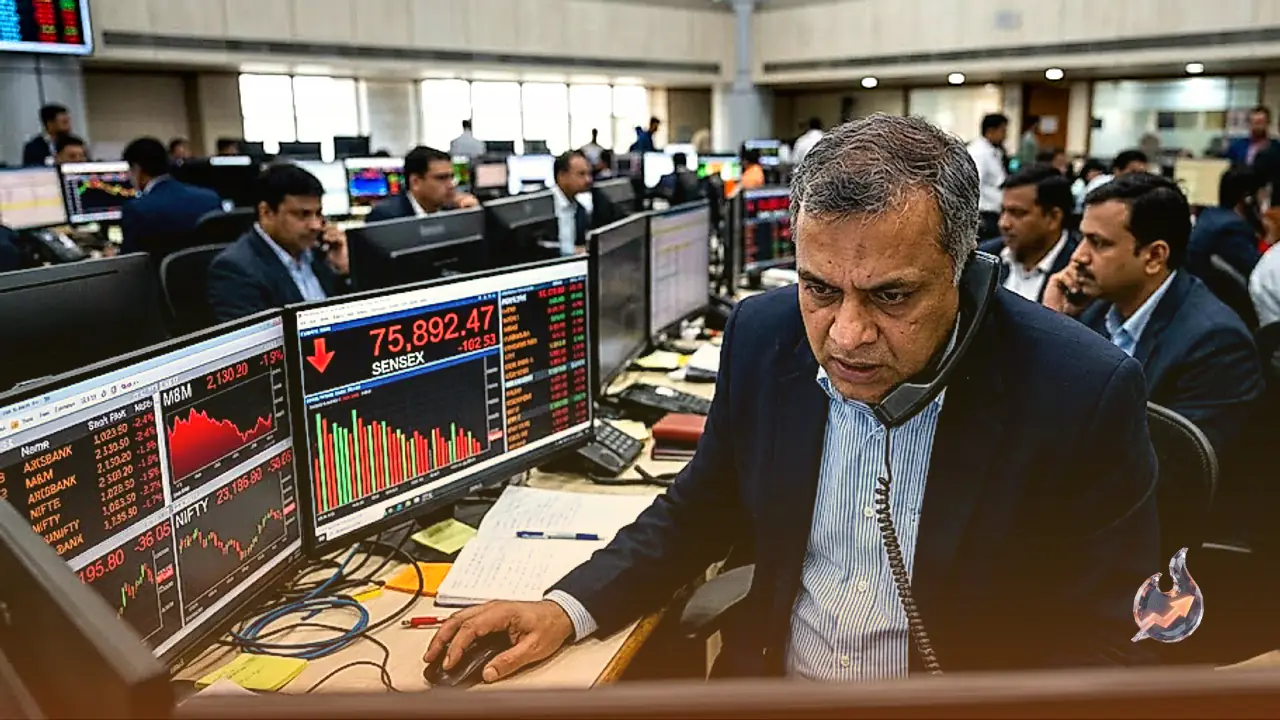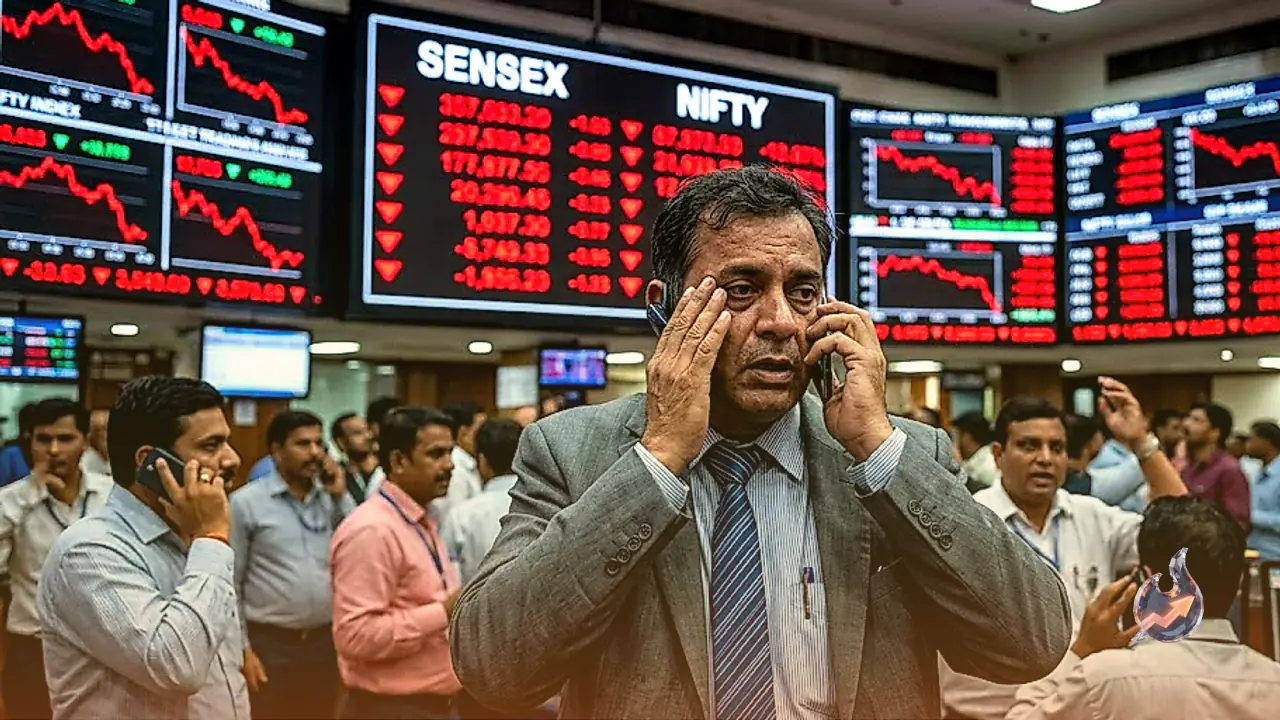

























A broad surge in the US Dollar is exerting intense pressure across global currency and commodity markets, driving sharp recalibrations among investors. The British Pound softened against the robust greenback while managing modest stability against the Euro. Disappointing economic output figures from the United Kingdom have rattled trader expectations, prompting fresh debate over the monetary path ahead for the Bank of England. Market participants are closely navigating central bank policy trajectories alongside upcoming major geopolitical summits that could steer future risk appetite.
UK Economic Slowdown and Bank of England Rate Expectations
Economic indicators for the United Kingdom revealed a clear loss of momentum in September, falling short of broad market forecasts. The composite purchasing managers' index fell to a three-month low of 51.7 compared to 52.5 in August, missing the consensus target of 52.0. A breakdown of the underlying data showed that expansion across the services sector lost pace, even as manufacturing activity managed to gain traction. Concurrently, inflationary pressures within the domestic economy intensified, presenting an intricate puzzle for rate-setters.
Financial market pricing through the swaps curve continues to signal around 100 basis points of potential interest rate hikes from the Bank of England over the next twelve months, which would lift the benchmark Bank Rate to 4.75 percent. However, economic conditions indicate that the central bank may not need to deliver tightening on that scale. The UK economy is currently operating beneath its potential capacity, the prevailing 3.75 percent Bank Rate sits close to the upper limit of the central bank's estimated 2 to 4 percent neutral range, and national fiscal policy is widely expected to shift in a more restrictive direction.
Australian Dollar Slides on Contraction Signals
The Australian Dollar encountered renewed downward pressure during Wednesday's Asian trading session, slipping toward the 0.7100 handle. Fresh preliminary survey figures revealed Australia's manufacturing sector contracted, while the services industry expanded at a sluggish pace for the second consecutive month. This dual economic drag, coupled with broad-based US Dollar buying, created strong headwinds for the currency pair. Market participants remained cautious ahead of a high-stakes summit between Trump and Xi scheduled for Thursday, largely brushing aside developments surrounding indirect negotiations between the United States and Iran.
Bank of Japan Rate Increase and Japanese Yen Reaction
In currency trading against the Japanese Yen, the US Dollar hovered around the mid-157.00 zone on Wednesday, holding near the two-week highs recorded late last week. The Bank of Japan advanced its policy normalisation by lifting its short-term interest rate target from 1.00 percent to 1.25 percent following a 7-2 vote. The policy adjustment matched broad market consensus built over recent weeks, yet the perceived dovishness surrounding the hike kept the Japanese currency under sustained selling pressure.
Firm commitment to elevated interest rates from the US Federal Reserve continues to underpin the greenback, keeping the pair elevated despite lingering concerns that Japanese financial authorities might intervene in currency markets to stem extreme currency weakness. Traders appeared unreactive to the conclusion of the latest round of indirect talks between Washington and Tehran, choosing instead to focus on the upcoming bilateral discussions between Trump and Xi.
Gold Pulls Back Amid Elevated Rate Expectations
Gold prices traded on a weaker footing on Wednesday, dragged down by expectations that additional Federal Reserve monetary tightening could keep the US Dollar buoyant. Elevated borrowing costs diminish the appeal of non-yielding physical assets like precious metals. Spot bullion prices declined by 1.0 percent during the session to trade around $4,315, reflecting the immediate impact of interest rate and currency revaluations across financial markets.