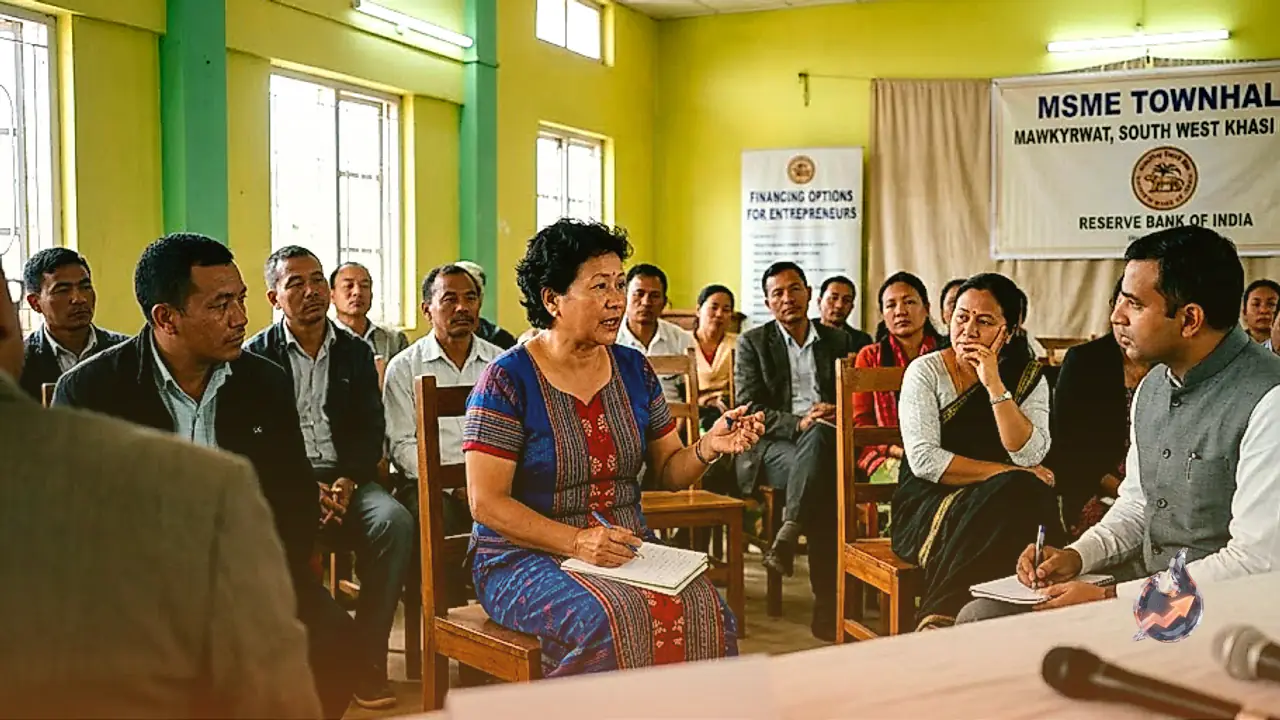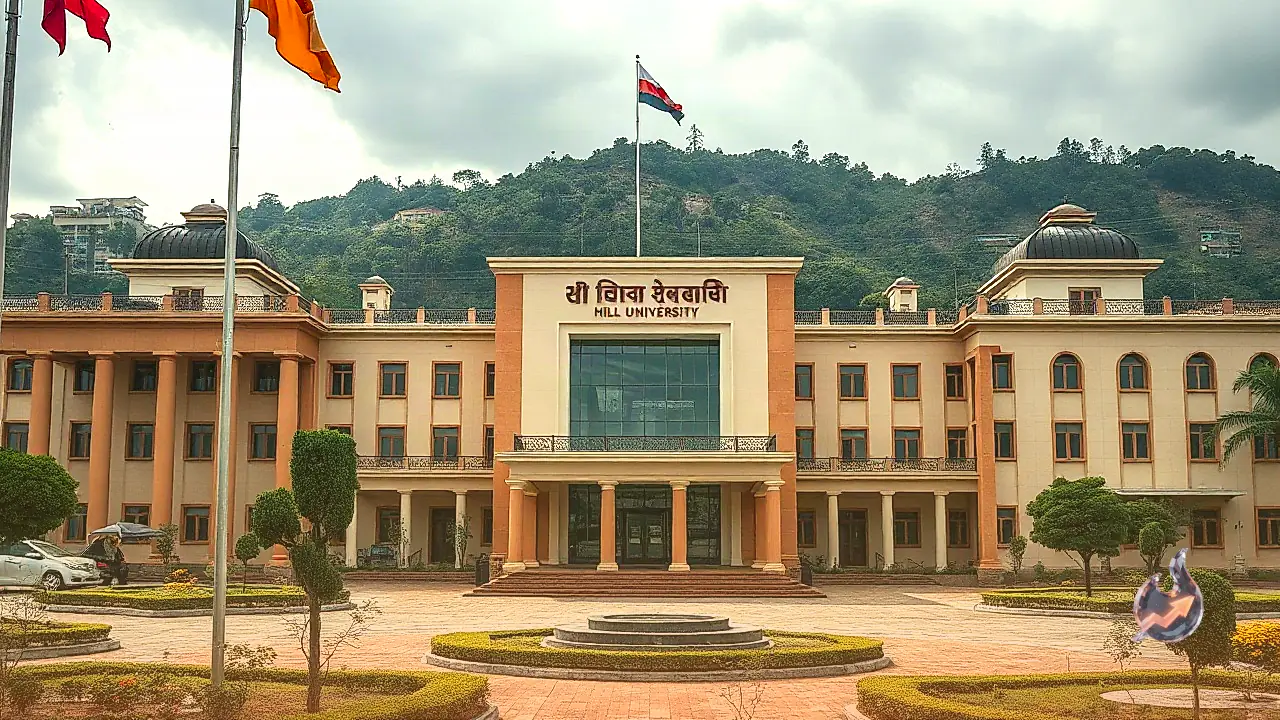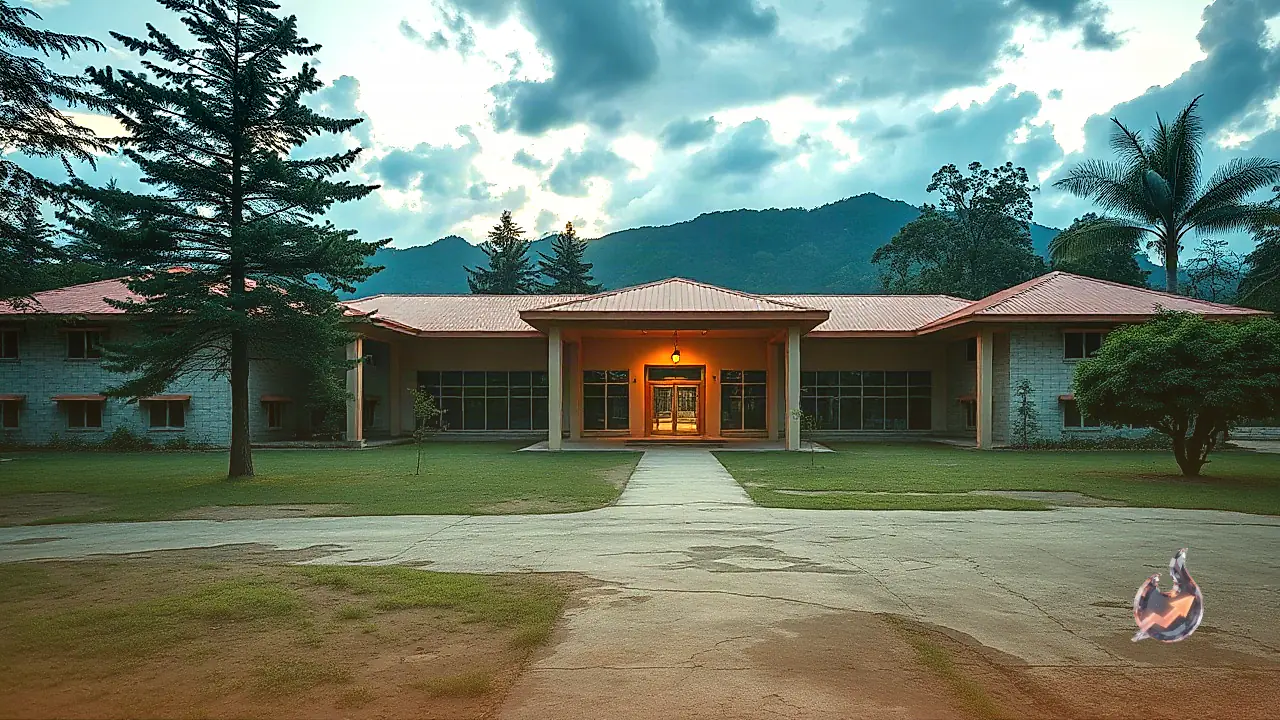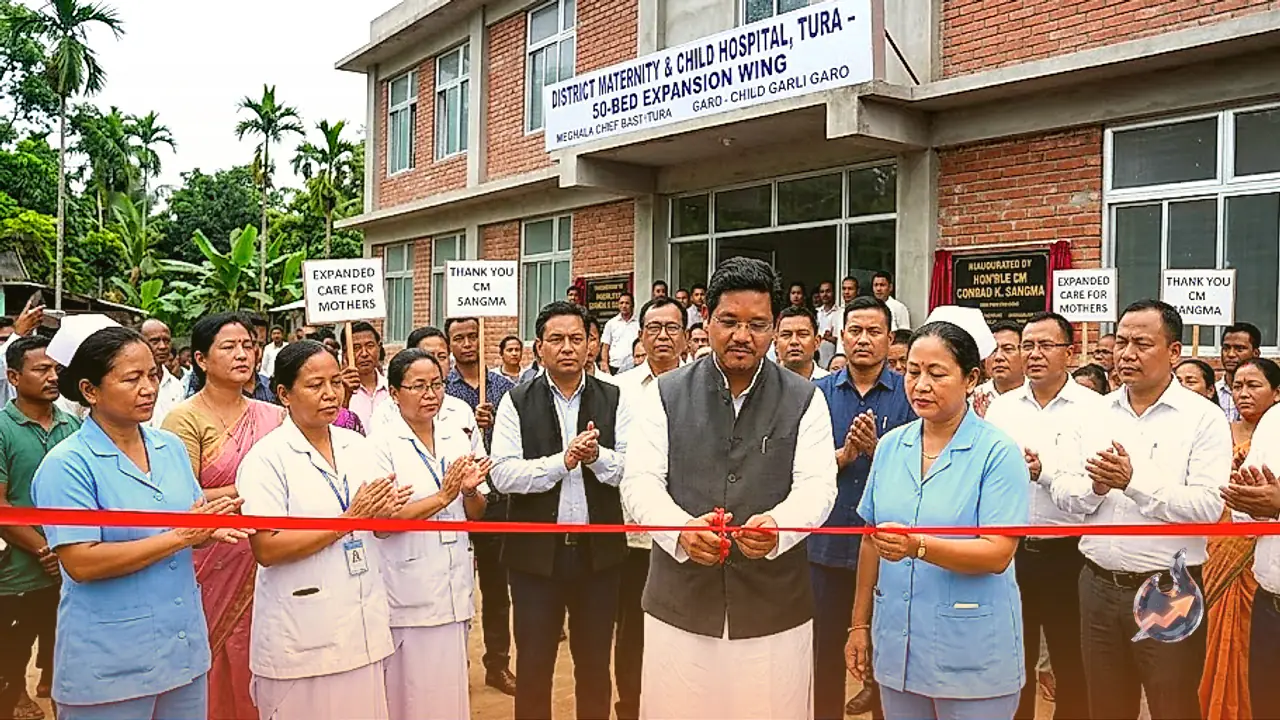





















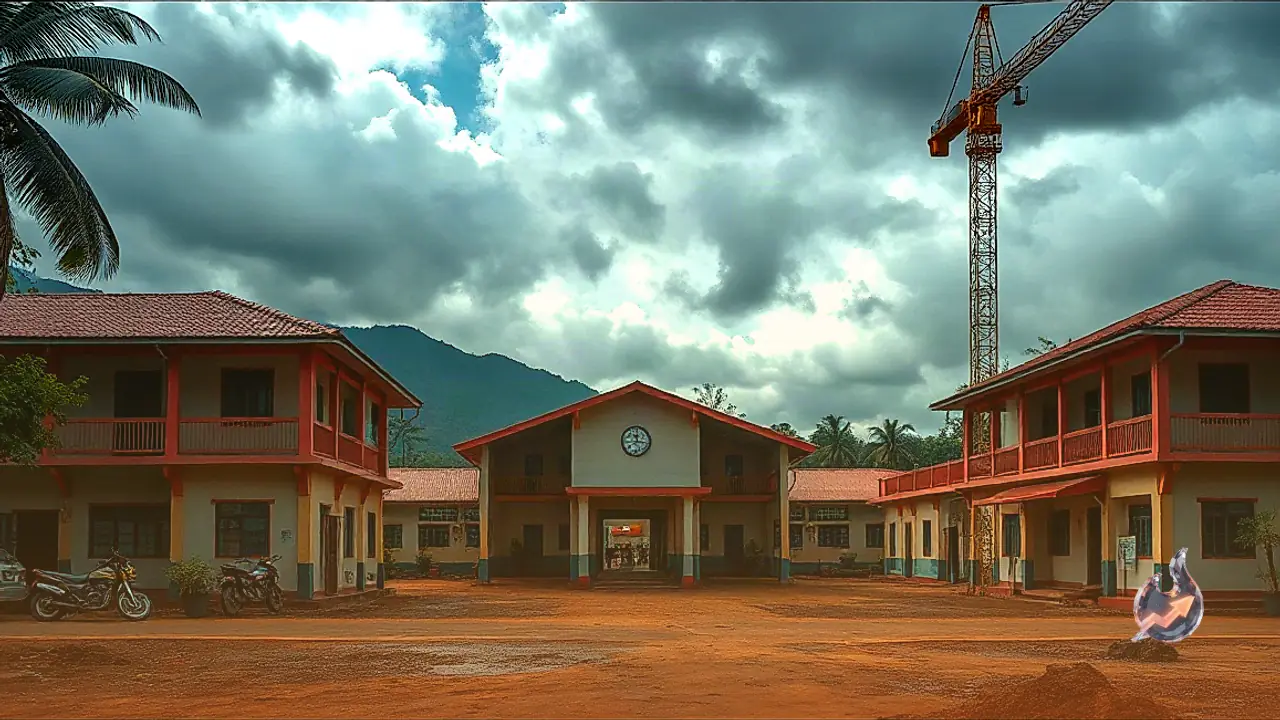

A long-standing administrative challenge in Meghalaya's schooling sector reached a turning point in Shillong, where authorities laid the foundation stone for an independent headquarters dedicated to the Meghalaya Board of School Education (MBOSE) Regional Office. The ceremonial event was accompanied by the virtual unveiling of 81 newly constructed institutional buildings delivered under Mission Education Phase-II. The gathering was attended by MLA Dr. M. Ampareen Lyngdoh alongside top officials from the state education hierarchy.
Closing a 45-year chapter of transitional locations
For roughly four and a half decades, this pivotal regional establishment functioned entirely without a permanent address of its own. Originating in September 1981 as the Shillong Cell designed to oversee academic coordination throughout the Khasi and Jaintia belts, the administrative outfit began operations inside the Inspector of Schools premises at Mawkhar. It subsequently shifted to the Education Guest House in Laitumkhrah in 1995, relocated to the board's own guest quarters in 1998, and has been stationed at the Taxation Building in Lower Lachumiere since December 22, 2005.
The administrative span of this single facility covers seven administrative districts. It manages governance and logistics for 1,329 secondary schools and 397 higher secondary institutions across the territory. On the examination front, it takes charge of 97 SSLC venues as well as 78 HSSLC hubs, while organizing and contracting more than 1,300 paper evaluators annually to manage state board certifications.
Direct financial support for uniforms and inclusive learning
During the proceedings, government officials rolled out welfare allocations under the Samagra Shiksha Abhiyan framework for the 2026-27 academic session. A uniform allowance of Rs 600 per child was approved for 2,98,013 enrollees, comprising 1,47,419 boys and 1,50,594 girls. The overall sum of Rs 17.88 crore is being dispatched straight into Aadhaar-seeded accounts belonging to parents or primary caregivers through Direct Benefit Transfer mechanisms.
Targeted funding of Rs 57.62 lakh was also disbursed to protect educational access for 3,440 young learners facing physical or developmental challenges. Within this inclusive package, escort provisions cover 852 beneficiaries, transportation stipends reach 908 children, educational allowances support 924 female students, and structured home-tutoring assistance aids 756 children who cannot commute to conventional classrooms.
Structural consolidation and modern learning spaces
Describing the broader overhaul of public instruction, Chief Minister Conrad K Sangma noted the scale of the challenge by comparing comprehensive institutional reform to climbing an enormous peak. Addressing the audience, he observed,
"We realised we must have a roadmap. We need a policy. We need to know where we are, where we want to go, and how we will get there."He remarked that sustainable progress relies on steady, practical measures rather than isolated grand gestures.
When Mission Education was first conceptualized in 2019, the estimated financial requirement stood near Rs 3000 crore, yet work commenced with an initial pool of Rs 100 crore. Across successive stages, the administration has earmarked Rs 457.41 crore targeting 2,230 learning centres. Furthermore, 182 campuses have been transformed with STEM laboratories, digital screens, and modern computing centers funded through the Asian Development Bank-backed SHCDM initiative.
Systemic efficiency also prompted a wide-ranging consolidation drive. By clustering low-occupancy establishments with single-digit or zero attendance into neighboring schools, the total network was rationalized from 14,582 down to 11,443 institutions. This restructuring concentrates faculty deployment and physical resources where student volume justifies them. Additionally, senior secondary capacity grew considerably, with upgraded high schools expanding from 427 in 2024-25 to 545 during 2025-26.
Turning exam trends around through artificial intelligence
A key highlight of the day was the introduction of the print edition of the CM Impact Guide, an artificial intelligence instructional resource. Conrad K Sangma addressed past academic shortfalls candidly, stating,
"A child at 15, 16, 17 has just started dreaming. Then comes the SSLC exam and 50% don't make it. In Garo Hills it was only 25%."
The CM IMPACT platform delivers modular chapter lessons, an interactive query bot, diagnostic examinations, and detailed solution breakdowns, with blueprints underway to deploy its tools in disconnected offline formats. Data shows that targeted preparation through this digital system contributed to a 41.2 percentage point climb in board examination qualification rates. These measures tie into a cradle-to-career assistance strategy that includes state scholarships running from eleventh grade up to doctorate studies, alongside open private-candidate registration for early school leavers, young athletes, and cultural practitioners.
Urban civic projects in Laitumkhrah
The event concluded with an overview of municipal infrastructure under Dr. Ampareen Lyngdoh's purview. Public upgrades cited in Laitumkhrah include a Rs 24 crore commercial complex situated at Barik, Malki, an indoor sports pavilion, and a Rs 35 crore retail hub. Urban planners have simultaneously established dedicated zones for street vendors to clear central sidewalks for everyday pedestrian flow.