




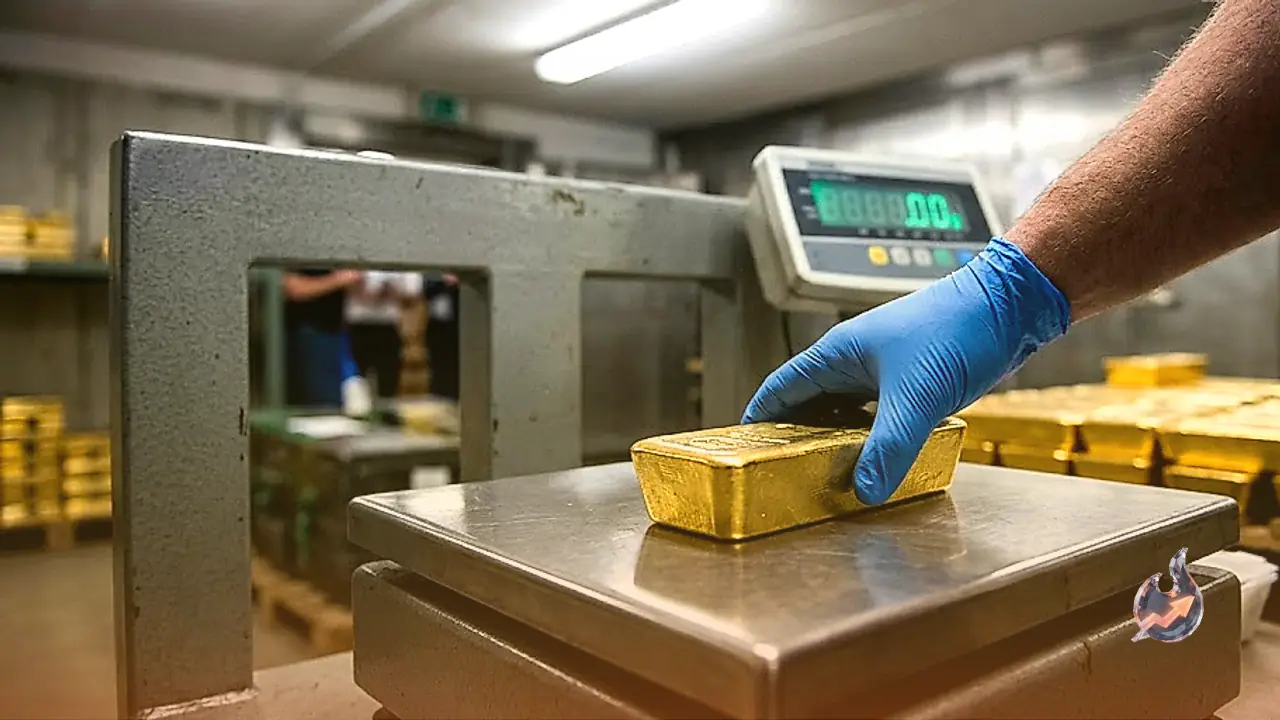

















Global gold prices continue to find strong underlying support from official sector demand as central banks maintain their reserve accumulation. According to data from the World Gold Council, central banks added a net 23 tonnes of gold to their reserves during the month of July. Emerging market economies remained the driving force behind this official buying, with China and Poland leading the way in expanding their holdings.
China extends its long accumulation streak
The central bank of China further solidified its position by extending its continuous buying streak to 21 straight months, adding another 20 tonnes of gold to its reserves during the period. Although the overall pace of central bank purchases has moderated compared to the frantic buying levels seen a year ago, the sustained demand from the official sector continues to act as a crucial floor for the broader gold market.
Emerging economies drive structural demand
Ongoing efforts among emerging economies to diversify their foreign exchange reserves are expected to keep structural demand for the precious metal intact. Even if monthly purchase volumes moderate from their recent highs, the structural shift toward reserve diversification provides a solid baseline for the market moving forward.
Broader currency and commodity movements
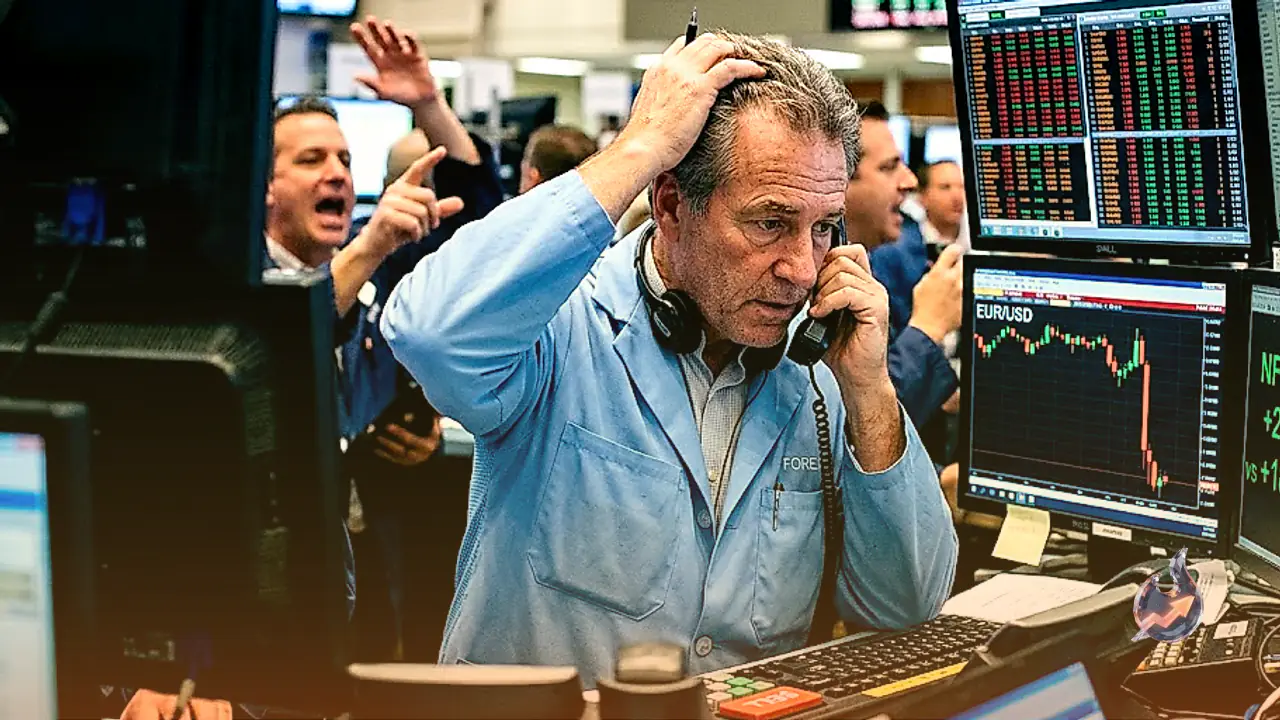
Across the broader financial landscape, the USD/JPY currency pair retested its August monthly swing low during Friday's Asian trading session. The Japanese Yen continues to receive robust support driven by a more hawkish repricing of Bank of Japan rate-hike expectations alongside suspected market intervention. Meanwhile, the US Dollar is seen consolidating heavy losses from the previous session amid softening US bond yields, keeping the currency pair under downward pressure as traders eagerly await the upcoming US NFP report.
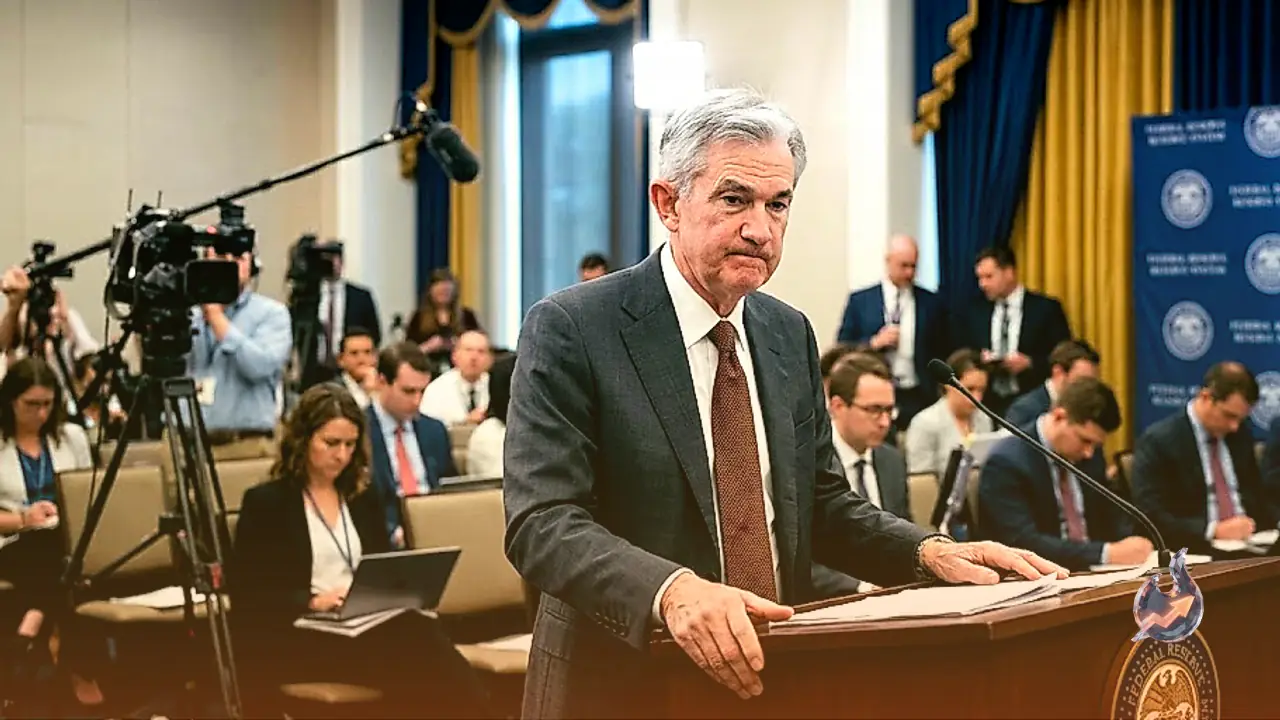
At the same time, the AUD/USD pair held steady above the 0.7200 threshold, hovering near its strongest levels since mid-May. Market bulls are currently awaiting the US NFP release for clearer guidance regarding the Federal Reserve's future policy trajectory before placing fresh bets. The recent downward trend in US bond yields keeps the US Dollar depressed near its lowest levels in over a week, serving as a tailwind for the Australian currency amid the Reserve Bank of Australia's hawkish tilt.
Gold prices, however, fell sharply on Friday, reversing a two-day recovery after the US Nonfarm Payrolls report surprised significantly to the upside. The precious metal had briefly pushed above $4,500 on Thursday, posting gains of nearly 2%, but subsequent market moves erased a major portion of that advance.
In the energy sector, the diesel market is telling a remarkably different story from the relatively calmer crude environment. The US diesel crack spread, representing the premium of ultra-low sulphur diesel futures over WTI crude, surged above $100 per barrel for the first time on record, touching an intraday peak of just over $102.00.