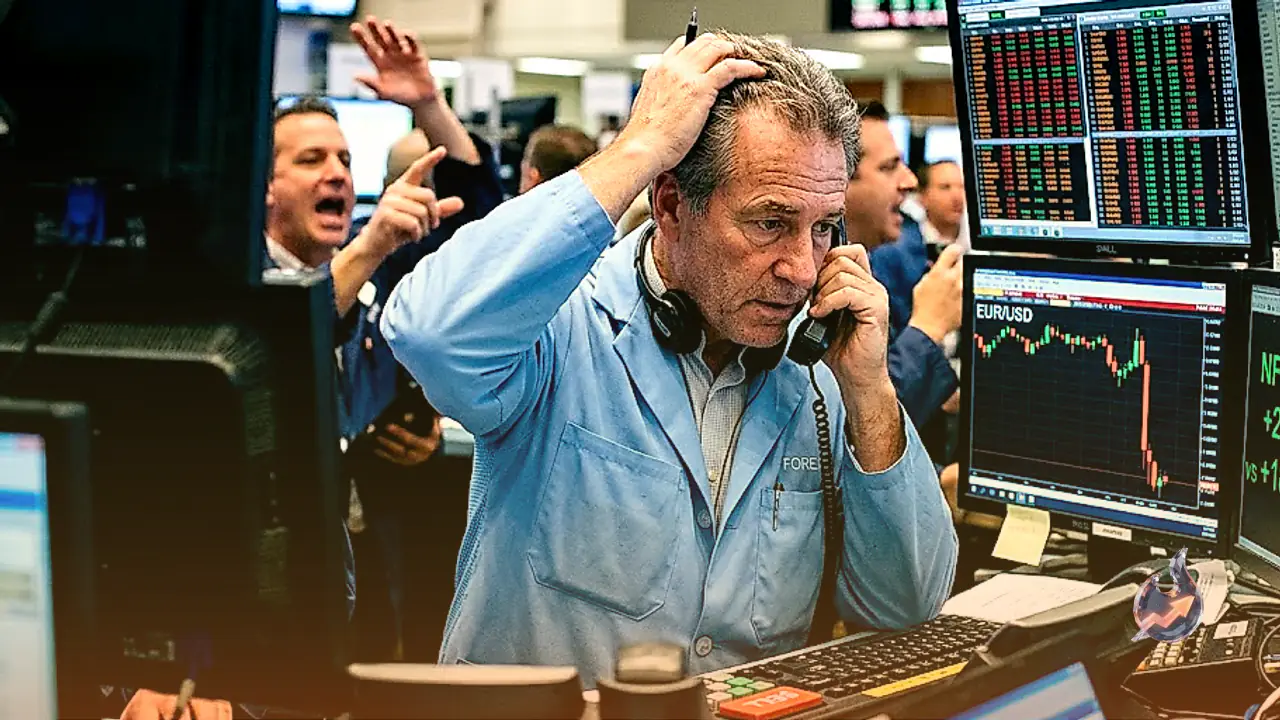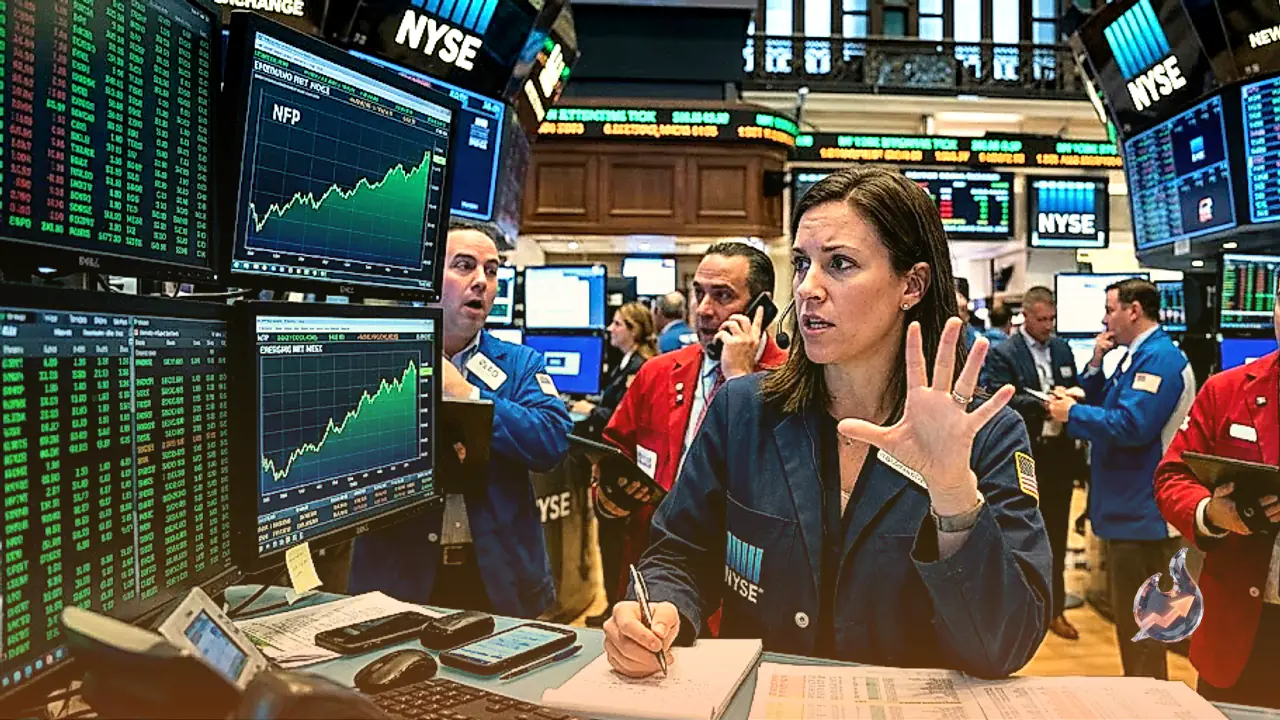







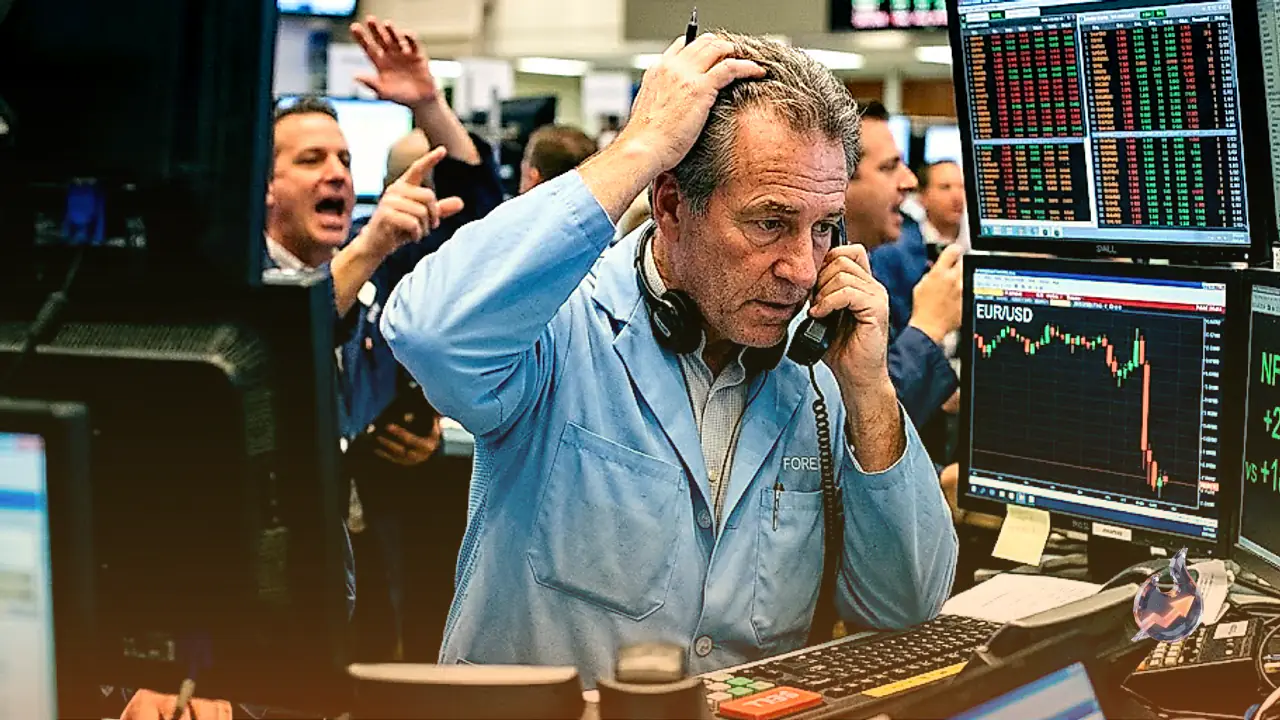
















The United States labor market reported an addition of 162,000 jobs in August, surpassing all mainstream market expectations. Along with this robust job creation, an additional 55,000 upward revisions were made to the figures from the previous two months. This strong economic momentum has immediately shifted sentiment across financial markets, making a September Federal Reserve interest rate hike appear noticeably more probable than before.
Market Pricing and Fed Policy Shifts
In response to the strong employment data, market participants quickly adjusted their rate-hike expectations. Markets have moved to price in 16 basis points of a potential 25 basis point rate hike, climbing up from 12.5 basis points the previous day. This shift comes shortly after relatively dovish remarks from Fed Governor Waller, who had suggested that a soft inflation print could lead him to vote in favor of maintaining stable monetary policy. Despite those earlier comments, the hotter-than-expected labor report has forced a reevaluation.
The Road Ahead for the FOMC
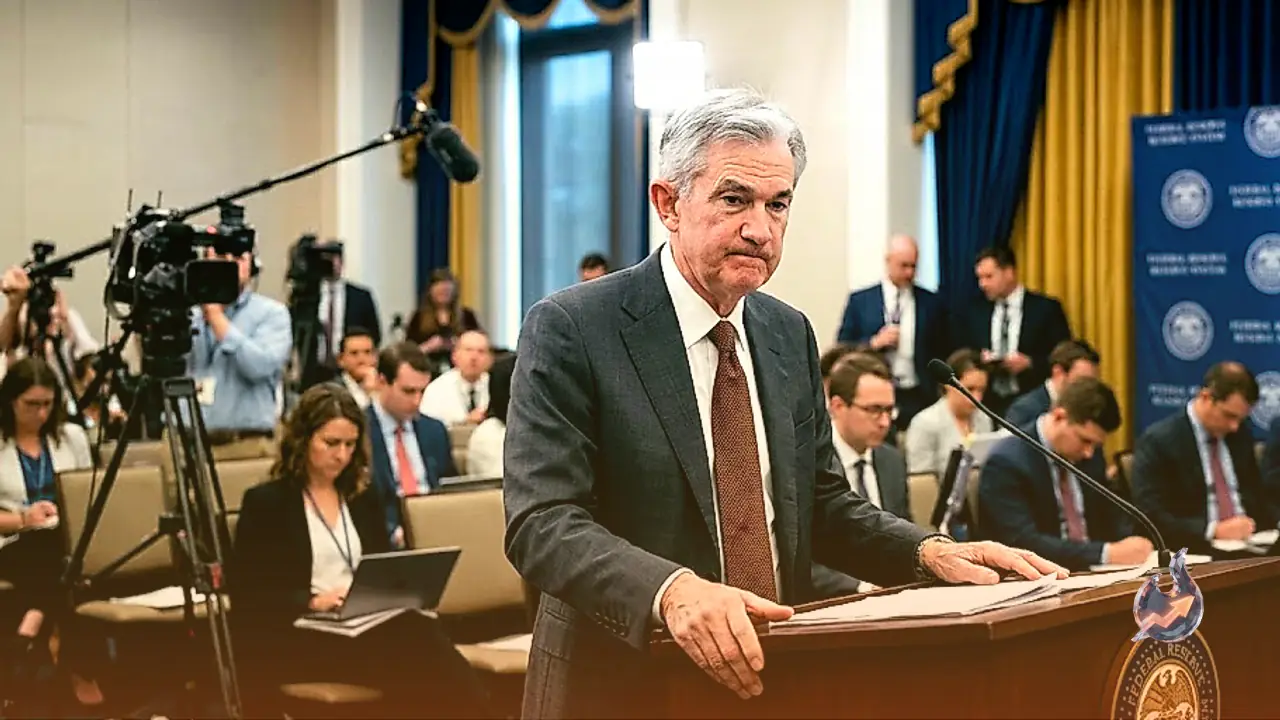
With Fed Chair Kevin Warsh describing the United States economy as operating at full employment, this latest labor outcome has naturally nudged expectations for a September rate hike significantly higher. Nevertheless, the ultimate policy decision hinges squarely on the release of next Friday's consumer price index (CPI) report. Analysts project a 0.4 percent month-on-month increase in headline prices alongside a 0.2 percent rise in core prices, which exclude volatile food and energy sectors. Observers note this inflation trajectory may not cool down enough to prevent Kevin Warsh from persuading the rest of the FOMC to move forward with a rate increase.
Foreign Exchange Dynamics and the Japanese Yen
Across the foreign exchange landscape, currency pairs continue responding to shifting central bank expectations and macroeconomic indicators. The USD/JPY pair experienced renewed downside pressure during the Asian trading session as a more hawkish repricing of Bank of Japan rate-hike bets, alongside suspected official intervention, continued to support the Japanese Yen. Meanwhile, the US Dollar attempted to consolidate its previous heavy losses amidst soft US bond yields, keeping traders closely focused on upcoming labor data releases.
Australian Dollar and Precious Metals Volatility
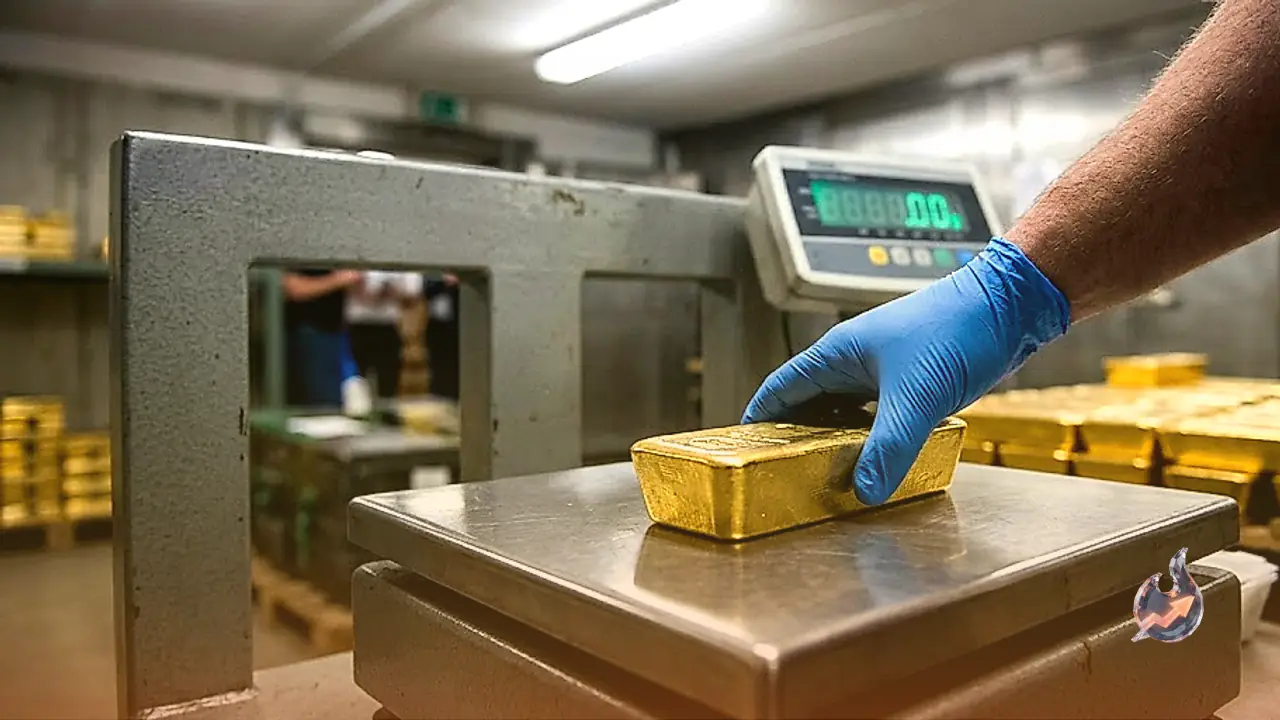
The AUD/USD pair held steady above the 0.7200 threshold, remaining near its highest level since mid-May. Market bulls are awaiting further guidance from the US Nonfarm Payrolls report before committing to fresh positions, especially given the Reserve Bank of Australia's ongoing hawkish tilt and recent declines in US bond yields that have kept the greenback depressed near multi-week lows. Meanwhile, Gold (XAU/USD) prices tumbled sharply on Friday, abruptly ending a two-day recovery rally. The precious metal had briefly surged above $4,500 on Thursday with gains of nearly 2%, but subsequent market reactions quickly erased a substantial portion of those advances.
Energy Markets and Record Diesel Crack Spreads
While the broader crude oil market may appear relatively calmer than it did a few months prior, the diesel sector is signaling an entirely different story. The US diesel crack spread, which measures the premium of ultra-low sulfur diesel futures over WTI crude, surged past the $100 per barrel mark for the first time in history. The metric touched an intraday record high of just over $102.00, underscoring severe supply tightness and strong underlying demand within refined petroleum products.