





















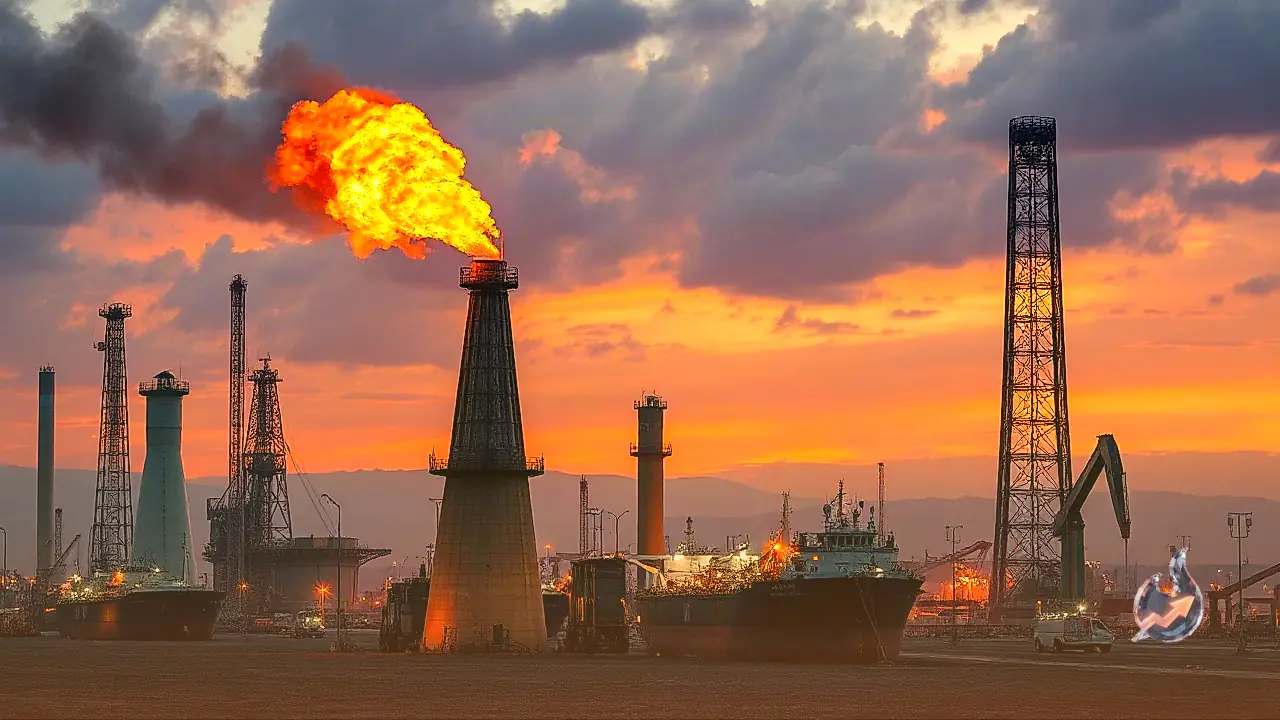

West Texas Intermediate oil declined 1.21% on Friday, trading around $88.55 per barrel as the trading session progressed. Despite the intraday pullback, crude prices remain close to their recent highs and are still on track for a solid weekly gain, supported by ongoing tensions between the United States and Iran that sustain a significant geopolitical risk premium across energy markets.
Strait of Hormuz Escorts and Supply Relief
Selling pressure emerged after US military forces successfully escorted 40 commercial vessels carrying roughly 18 million barrels of oil through the Strait of Hormuz. This maritime operation provided reassurance to investors regarding the safe passage of tankers along the vital shipping lane, temporarily alleviating fears of a severe supply shock or major trade disruption.
Ongoing Regional Hostilities
Despite the military escorts, underlying risks remain elevated. Iran targeted military facilities in Kuwait and the United Arab Emirates, while ongoing maritime skirmishes near the strategic waterway continue to test regional security. During the recent escort mission, US forces reportedly intercepted an incoming cruise missile and neutralized multiple drone attacks.
In addition, South Korea is reportedly preparing to deploy naval assets to safeguard commercial navigation through the strait. These developments underscore that despite armed protection for transiting tankers, geopolitical tensions remain acute enough to uphold the prevailing risk premium in crude prices.
Refined Products and Global Supply Pressures
Broader energy market strains are further compounded by tightness in refined products. Average US diesel prices surged to an all-time record of $5.82 per gallon. Ongoing hostilities alongside supply disruptions stemming from Ukrainian strikes on Russian diesel export facilities have combined to restrict global inventories significantly.
Conversely, remarks from Russian President Vladimir Putin indicating a readiness for potential peace talks offered a minor counterweight to these geopolitical concerns. For WTI specifically, however, developments in the Strait of Hormuz and the operational capacity of military escorts remain the primary short-term catalysts.
Understanding WTI Crude Oil Fundamentals
West Texas Intermediate is a primary grade of crude oil traded on global markets alongside Brent and Dubai crude. Recognized for its light density and low sulfur content, WTI is easily refined and sourced primarily within the United States, distributed via the Cushing hub. Prices are fundamentally driven by global supply and demand dynamics, macroeconomic growth, geopolitical instability, and production quotas established by major exporting nations.
Market participants also closely monitor weekly inventory data published by the American Petroleum Institute and the Energy Information Agency. These reports offer vital insights into shifting supply levels, while decisions by OPEC and its expanded alliance continue to dictate long-term production limits and price trajectories across international oil markets.