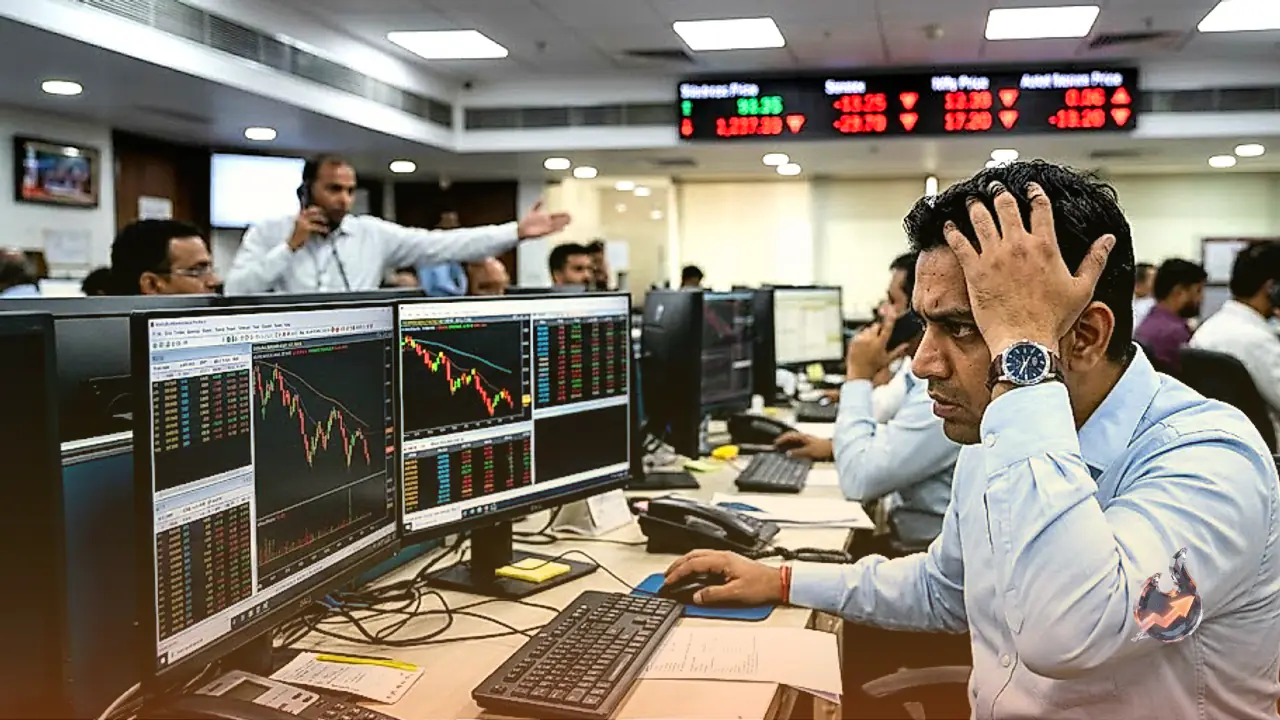
























As global financial markets closely monitor Beijing for vital economic cues, new analysis from Standard Chartered sheds light on what investors should expect from China's highly anticipated July Politburo meeting. Economists Carol Liao and Shuang Ding have offered a detailed assessment of the government's likely policy trajectory, suggesting a measured approach rather than a dramatic pivot. The consensus among these experts is that the Chinese leadership will deliberately prioritize the rigorous implementation of existing fiscal frameworks over the introduction of sweeping new stimulus measures. For months, market participants have been hyper-focused on whether this critical mid-year policy gathering would deliver additional, large-scale economic support to bolster growth. However, the current outlook from Standard Chartered indicates that the government intends to maintain its current course, focusing on efficiency and execution rather than rolling out fresh, headline-grabbing stimulus packages.
The economists anticipate that the primary objective emerging from the Politburo meeting will be a concerted effort to accelerate fiscal execution throughout the second half of the year. Chinese policymakers are expected to ensure that previously allocated funds are deployed effectively on the ground. Instead of expanding the overall scope of their fiscal policy to counter economic headwinds, the government will likely rely on the roadmap that is already in place. In this strategic setup, monetary policy is not expected to take the lead; rather, it will act in a supplementary capacity, providing the necessary liquidity and support to facilitate the smooth execution of the government's fiscal directives and maintain overall financial stability.
Balancing the Pace of Fiscal Spending
To understand the expected strategy for the second half of the year, it is crucial to analyze the trajectory of China's fiscal spending since the beginning of the calendar year. The economists point out that the pacing of government expenditure has seen notable and deliberate shifts. The year began with a period of robust, front-loaded spending during the first quarter, designed to give the economy a strong initial push. However, this aggressive start was subsequently followed by a marked slowdown in the deployment of fiscal resources.
According to Liao and Ding, this uneven pacing directly contributed to a sharp contraction in overall infrastructure investment during the second quarter. While a sudden drop in infrastructure spending might typically signal underlying economic distress, the Standard Chartered analysts interpret this development differently. They argue that this deceleration appears to be a deliberate, intentional fine-tuning of the government's spending rhythm. After the exceptionally strong growth recorded in the first quarter, policymakers likely dialed back spending to assess the impact and preserve resources for later in the year.
Looking ahead to the remainder of the year, fiscal execution is projected to rebound significantly in the second half as the government re-engages its spending mechanisms. Alongside this broader fiscal strategy, the economists noted that funding allocated for China's ongoing goods trade-in programme is currently being distributed at an evenly paced rate. This steady distribution ensures consistent, ongoing support for consumer transition initiatives without creating sudden inflationary spikes or resource bottlenecks.
Infrastructure Focus: AI and Green Transition
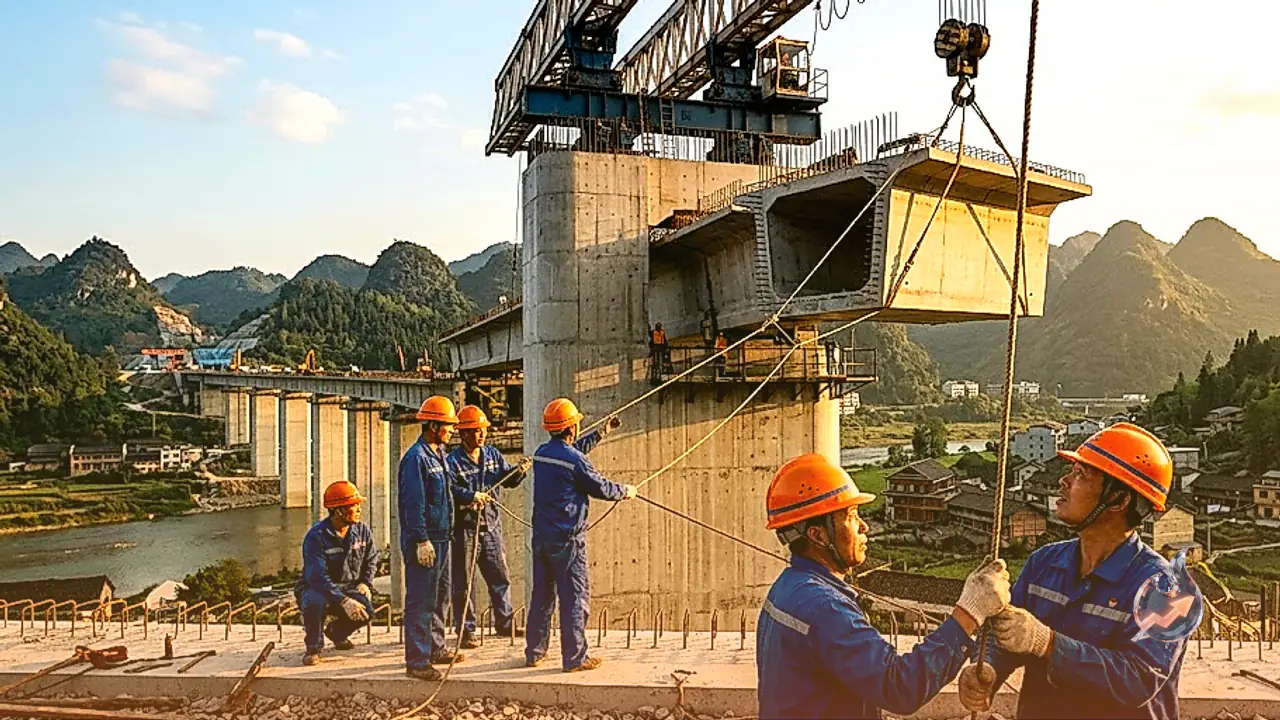
As fiscal execution accelerates, overall infrastructure investment is poised to make a strong recovery in the latter half of the year. Standard Chartered emphasizes that this spending will continue to play a critical and indispensable role in stabilizing near-term economic growth across the country. However, the nature and target of this infrastructure spending are evolving in line with Beijing's long-term strategic priorities. The analysts observe that investments will not simply flow into traditional sectors like real estate or basic transportation networks, but will be increasingly directed toward forward-looking, high-value industries.
Specifically, government capital is expected to flow heavily into complex projects associated with artificial intelligence (AI) and the broader green transition. The push for technological self-reliance means that high-tech developments will be a major focus. Furthermore, vital social and livelihood projects designed to improve the standard of living for everyday citizens are also expected to be primary beneficiaries of this targeted infrastructure push. By channeling funds into AI, sustainable green initiatives, and social welfare, the government aims to achieve a delicate balance: stabilizing immediate economic growth while simultaneously laying the groundwork for a more technologically advanced and environmentally sustainable future.
Global Currency and Commodity Market Snapshot
While the focus remains squarely on China's domestic policy maneuvers, the broader global financial landscape continues to navigate distinct geopolitical and economic pressures, with currency and commodity markets exhibiting significant volatility.
In the currency markets, the British Pound is currently struggling to build any meaningful recovery momentum against the US Dollar. The GBP/USD currency pair remained pinned down, staying firmly below the 1.3400 threshold during Wednesday's late trading hours. This sluggish performance directly follows the release of the United Kingdom's annual Consumer Price Index (CPI) data for June. The report showed inflation cooling to a rate of 2.6%, which came in slightly below the broader market forecast of 2.7%. The softer-than-expected inflation data has complicated the Pound's ability to rally. Concurrently, currency traders and investors are keeping a close watch on ongoing developments, carefully monitoring the barrage of headlines emerging from the Middle East as regional stability remains a primary concern.
A similar dynamic is playing out across the English Channel, where the EUR/USD pair is trading within a very tight, narrow channel hovering around the 1.1400 level on Wednesday. The European currency's upside potential currently remains strictly capped by escalating geopolitical tensions in the Middle East, which tend to drive investors toward safe-haven assets. This stagnation is further compounded by a notable absence of major, high-impact economic data releases from the Eurozone early in the week. Market participants have largely paused their major bets and are now looking ahead to Thursday, when the European Central Bank is scheduled to formally announce its latest monetary policy decisions and interest rate outlook.
Meanwhile, the commodities sector is painting a starkly different picture, led by an extraordinary rally in precious metals. Gold is demonstrating remarkable strength and resilience, extending its gains for a fourth consecutive day. The precious metal is currently trading comfortably above the historically high $4,100 level. Gold has rallied by an impressive margin of nearly 2.5% so far this week alone, placing it firmly on track to achieve its strongest weekly performance in more than three months. Notably, this upward momentum remains completely unfazed by the broader risk-off sentiment permeating the global equity markets. The surge in Gold prices is being heavily fueled by rising geopolitical tensions specifically involving Iran, which has simultaneously driven up global Oil prices, creating a complex and highly charged trading environment for commodities investors.