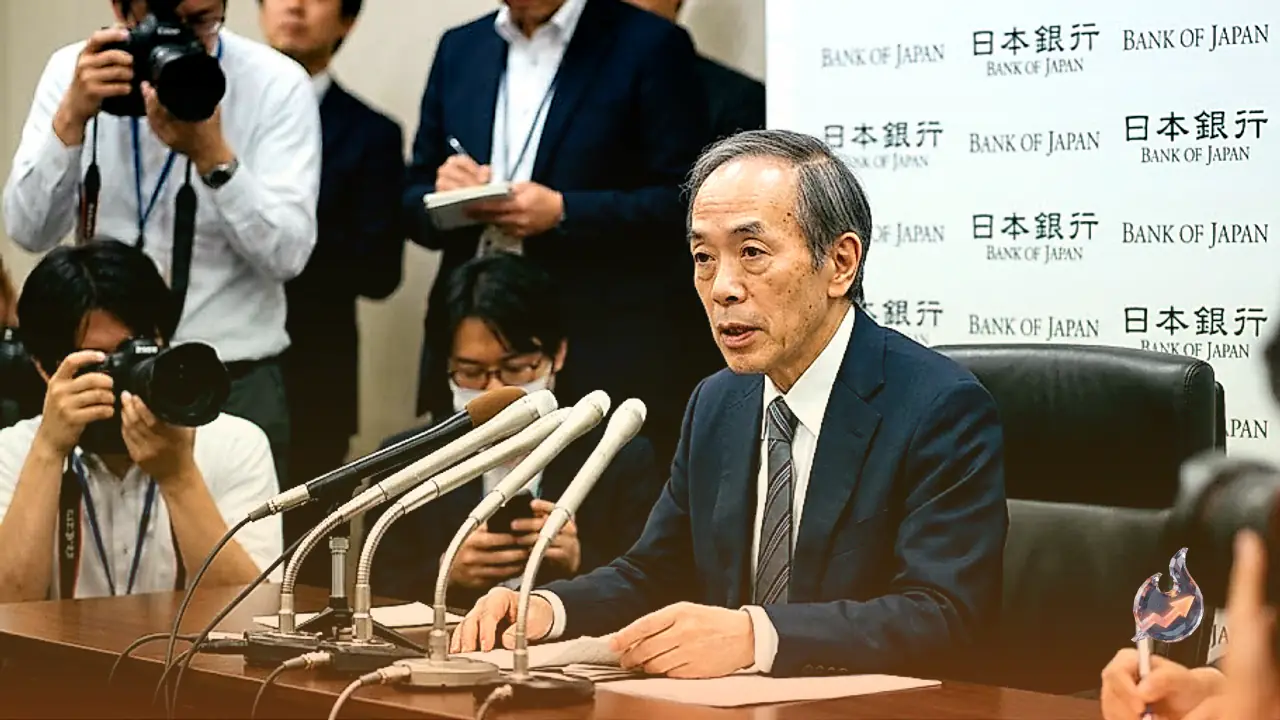








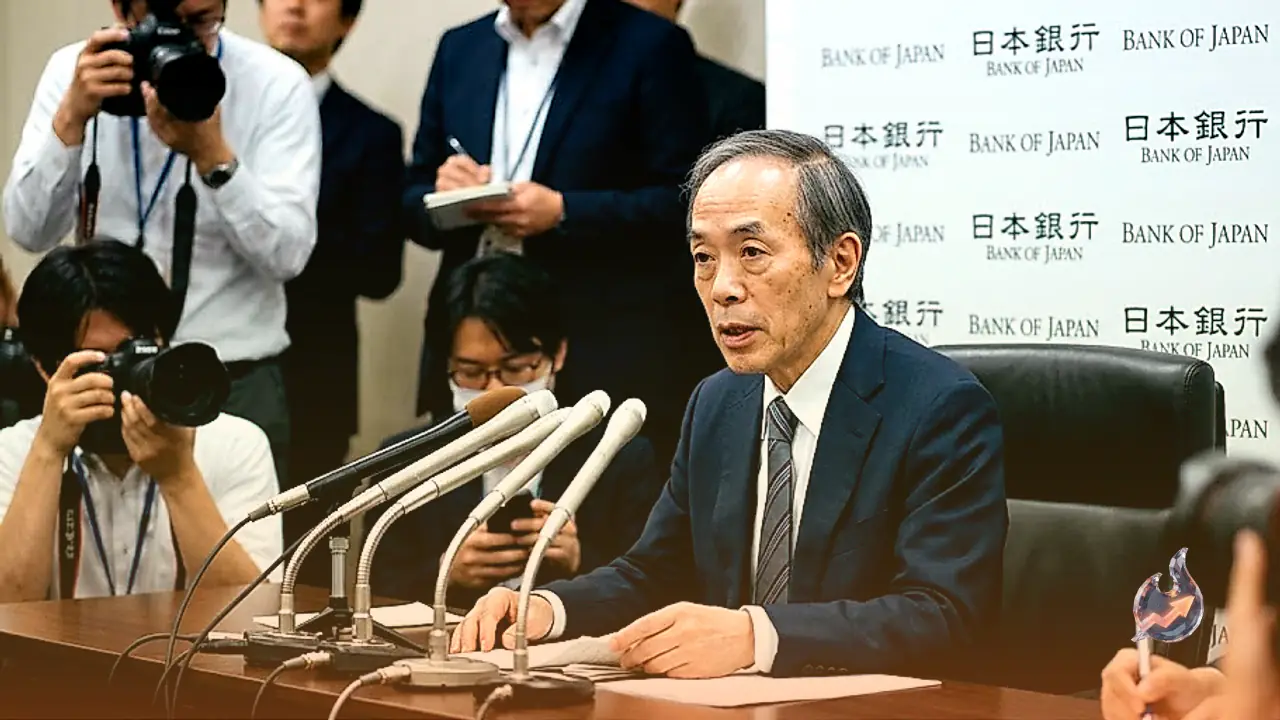
















Against the backdrop of expanding public debt burdens across major economies and heightened turbulence in foreign exchange markets, Japanese Finance Minister Satsuki Katayama articulated Japan's economic priorities during the G20 ministerial gathering. Katayama stated that the expansion of government debt is a global trend affecting nations worldwide. She emphasized that Japan is framing its fiscal policy to achieve a delicate balance between fostering economic growth and ensuring long-term fiscal sustainability. Katayama also shared details of her bilateral interactions with US Treasury Secretary Bessent and JPMorgan chief Dimon, focusing on joint currency interventions, domestic structural reforms, and productivity-enhancing investments.
Global Debt Dynamics and Fiscal Stance at the G20
Addressing delegates at the G20 financial meeting, Japanese Finance Minister Satsuki Katayama highlighted that rising sovereign debt levels are no longer isolated to specific economies but represent a broad international trend. She explained that Japan's fiscal policy blueprint is aimed at accelerating economic expansion while maintaining structural sustainability. The G20 discussions touched upon critical macroeconomic topics, including global trade imbalances, heavy debt loads in emerging markets, and initiatives to enhance financial literacy. Katayama noted that US Treasury Secretary Bessent referenced US strategies designed to manage sovereign debt obligations, helping align perspectives between the two major economies regarding fiscal governance.
Bilateral US-Japan Dialogue and Joint Intervention Frameworks
On foreign exchange market developments, Katayama provided insights into her consultations with US Treasury Secretary Bessent. She informed G20 representatives that recent joint currency interventions carried out by the US and Japan fully complied with G7 commitments and international agreements. Katayama described the G20 meeting as a valuable forum to deepen mutual understanding regarding joint FX intervention strategies. During her discussions with JPMorgan leader Dimon, the banking executive commended Japan for its recent structural reform initiatives. Regarding Bessent's policy stance, Katayama pointed out that the US Treasury Secretary has noted since October of last year that a shifting deflationary outlook in Japan would necessitate a novel economic approach. Bessent endorsed Japan's focus on raising growth potential and productivity through domestic capital investments. However, Katayama declined to comment on specific foreign exchange rate levels.
Yield Curve Control, Benchmark Rates, and Market Mechanisms
When asked about the benchmark 10-year Japanese Government Bond (JGB) yield potentially reaching the 3% mark, Finance Minister Katayama abstained from commenting on specific market levels. She emphasized that interest rates are fundamentally determined by financial markets based on a wide array of economic factors and supply-demand dynamics. The role of fiscal authorities, she implied, is to maintain policy predictability rather than target specific yield thresholds. As market participants speculate on the future trajectory of benchmark rates, Katayama reiterated that monetary and market conditions naturally reflect underlying economic fundamentals.
Decade-Long History of Bank of Japan Policy Architecture
To contextualize Japan's macro-financial landscape, it is essential to trace the historical policy decisions of the country's central bank, the Bank of Japan. Mandated to issue banknotes and exercise monetary control to preserve price stability, the BoJ maintains an official inflation target of around 2%. To counter prolonged deflationary pressures and stimulate economic activity, the BoJ introduced an ultra-loose monetary policy framework in 2013. At its core was Quantitative and Qualitative Monetary Easing (QQE), which involved printing currency to purchase government and corporate bonds to inject liquidity into the banking system. In 2016, the central bank intensified its monetary accommodation by introducing negative interest rates and implementing Yield Curve Control on 10-year government bonds. This extraordinary regime came to an end in March 2024, when the BoJ raised interest rates, marking a formal exit from its decade-long ultra-loose policy posture.
Currency Depreciation Pressures, Policy Divergence, and Inflation Shift
The prolonged monetary stimulus implemented by the Bank of Japan triggered a sustained depreciation of the Japanese Yen against major foreign currencies. This weakening trend exacerbated significantly during 2022 and 2023 as global central banks embarked on aggressive rate-hiking cycles to combat multi-decade high inflation, while the BoJ adhered to its ultra-loose stance. The resulting interest rate differential heavily weighed on the Yen's valuation. This dynamic partially reversed in 2024 after the BoJ abandoned its negative rate regime. Concurrently, a weaker Yen combined with elevated global energy prices pushed domestic inflation above the BoJ's 2% target, supported by rising wage prospects across Japanese industries.
FX Market Movements across USD/JPY, GBP/USD, and EUR/USD
In spot currency markets at the time of reporting, the USD/JPY pair reflected a modest intraday gain of 0.02%, trading at 160.20. Broader foreign exchange markets saw the US Dollar display firm momentum against major peers. The British Pound (GBP/USD) traded on a defensive footing, sliding toward the lower 1.3500s to touch two-week lows. The bearish momentum in Cable coincided with Greenback strength as investors parsed US economic data releases and monitored ongoing uncertainties surrounding the US-Iran situation. Similarly, EUR/USD accelerated its daily downside correction, breaking below the key 1.1600 technical support level amidst broader US Dollar demand despite softer economic metrics out of the United States.
Global Sovereign Debt Sell-off and Energy Crack Spread Dynamics
Fixed income markets opened the month with widespread selling across global sovereign bonds. Debt markets in the United Kingdom experienced significant upward pressure on yields, with 2-year and 10-year Gilt yields rising by as much as 10 basis points at one point on Tuesday, before settling higher by 7 and 8 basis points respectively. In precious metals, Gold extended its downward adjustment, receding toward the key $4,300 per troy ounce mark. The decline in spot gold was driven by the resilient US Dollar and a sharp upward shift in US Treasury yields across the curve. Meanwhile, in energy markets, despite relative calm in benchmark crude oil, refined products signaled tightness. The US diesel crack spread, representing the premium of ultra-low sulfur diesel futures over WTI crude, surged past $100 per barrel for the first time in history, hitting an intraday record of just over $102.00 per barrel.