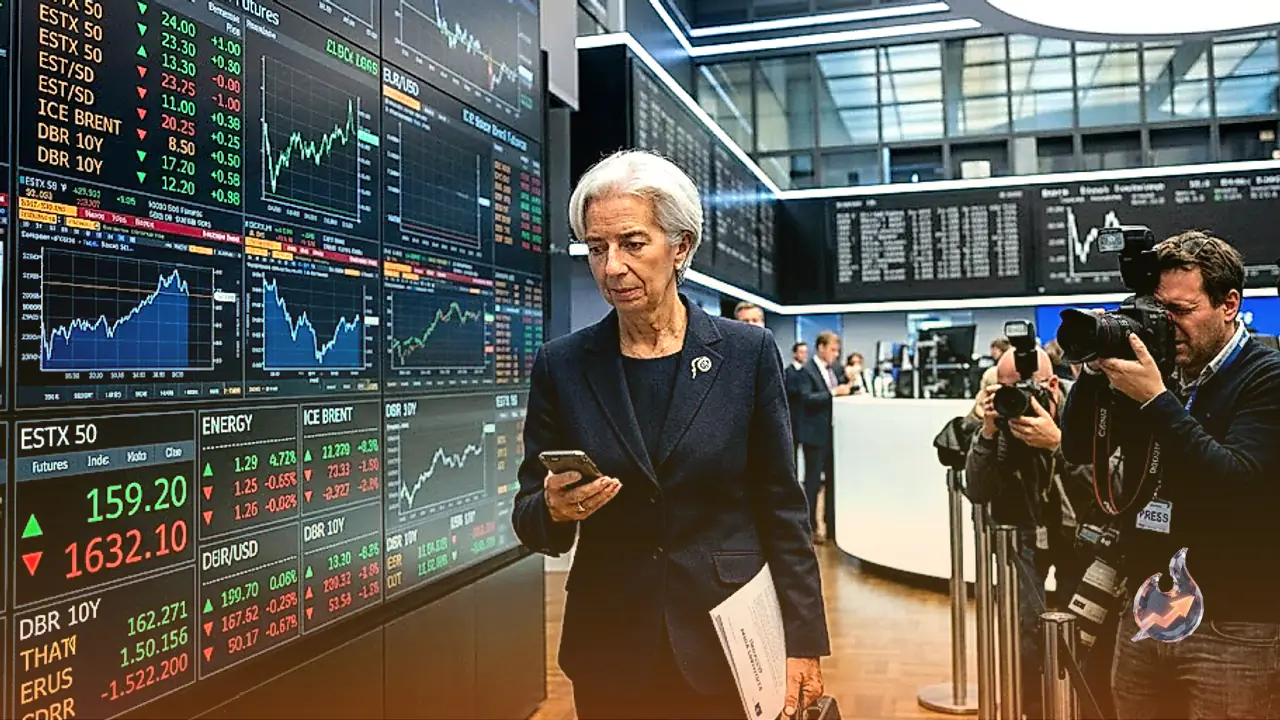
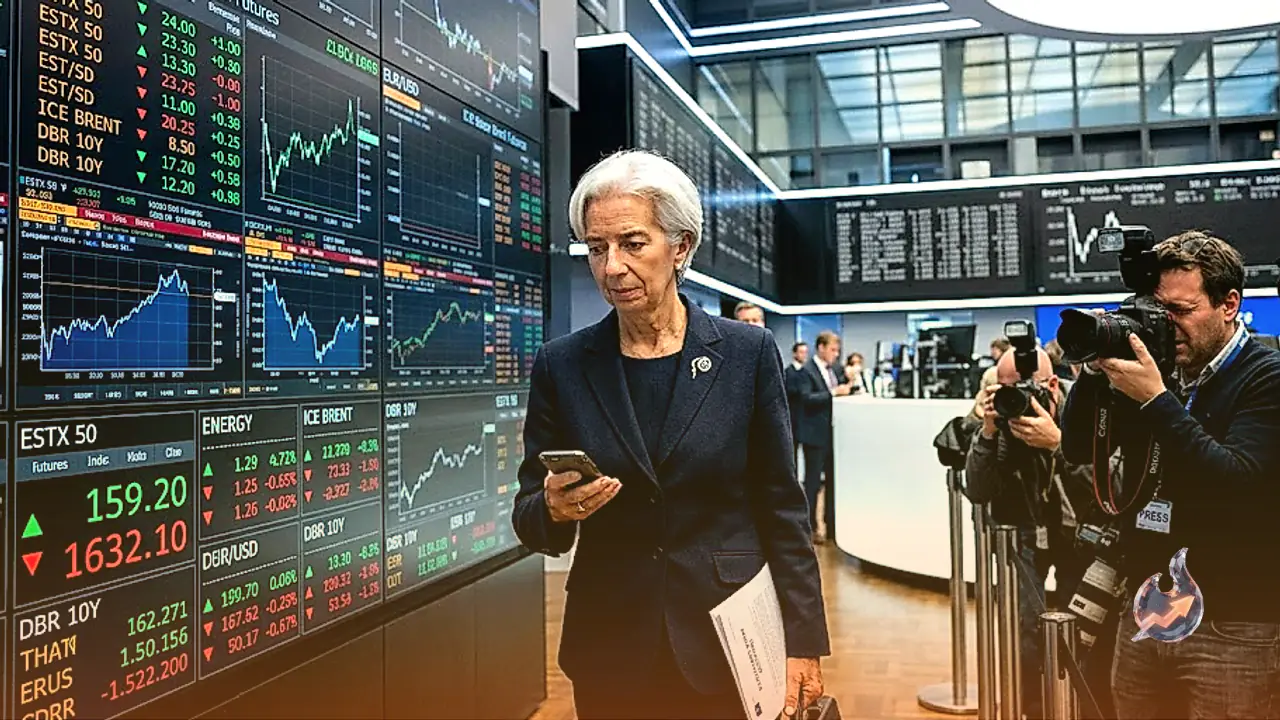
























The EUR/GBP currency pair continues to tread water around the 0.8590 mark in foreign exchange trading, as financial markets across the globe turn their full attention toward the upcoming monetary policy decision from the European Central Bank. Market participants widely anticipate that the central bank will execute its second benchmark interest rate increase of the current year. This expected adjustment would lift the key rate by 25 basis points to reach 2.5%. Persistent upward pressure on crude oil prices threatens to keep inflation running above the central bank's target for a prolonged duration, compelling policymakers to maintain a vigilant stance.
Central Bank Stance and Interest Rate Policy Expectations
The European Central Bank is widely expected to deliver a 25 basis point rate hike, bringing its benchmark borrowing rate to 2.5%. Foreign exchange traders and institutional investors are keenly awaiting the subsequent press conference led by President Christine Lagarde to assess the future trajectory of monetary policy. Rising energy costs and elevated crude oil prices mean consumer inflation could remain stubborn, holding above the bank's official 2% target over a extended period.
Market analysts at Commerzbank have highlighted that the Euro could face downward pressure if President Lagarde fails to articulate a decisively hawkish tone during her presentation. Investors are looking for explicit guidance on whether further rate hikes will be required in subsequent meetings or whether the central bank considers its current tightening cycle sufficient to cool inflationary pressures.
How Central Banks Manage Inflation and Economic Equilibrium
The fundamental objective of any central bank is to maintain price stability within its jurisdiction. Economies frequently navigate periods of inflation or deflation as the prices of consumer goods and services fluctuate over time. Sustained increases in the general price level represent inflation, whereas persistent broad-based price declines signal deflation. Central banks regulate overall demand by recalibrating their benchmark policy rates. Major central institutions, including the US Federal Reserve, the European Central Bank, and the Bank of England, operate under mandates aimed at keeping annual inflation near the 2% mark.
To influence inflation dynamics, central banks rely primarily on adjustments to their key policy rate. On scheduled announcement dates, policy committees release interest rate decisions accompanied by detailed economic assessments explaining the rationale behind keeping rates unchanged or modifying them through hikes or cuts. Commercial banks subsequently align their prime lending and deposit rates with the central bank's benchmark. Significant rate hikes constitute monetary tightening designed to curb borrowing and spending, whereas rate cuts represent monetary easing intended to spur economic activity.
Monetary Policy Spectrum: Navigating Hawks and Doves
Central banks generally operate with political independence, with board members undergoing rigorous appointment processes. Individual committee members hold varying economic philosophies regarding the balance between growth and price control. Board members who favor lower interest rates and accessible credit to stimulate business activity, even if inflation briefly exceeds 2%, are known as doves. Conversely, policy members who prioritize controlling inflation through higher interest rates and rewarding savings are classified as hawks, advocating firm measures until inflation rests at or below 2%.
Policy meetings are directed by a chairman or president whose role involves forging consensus among hawkish and dovish factions. In the event of an equal split among voting members, the chair casts the deciding vote. Following decisions, leadership delivers public addresses outlining the monetary outlook. Prior to policy announcements, central banks enforce a strict blackout period during which officials are prohibited from making public statements to prevent unwanted volatility in currency, fixed income, and equity markets.
Global Forex Landscape: Dollar, Yen, and Australian Dollar Dynamics
Broader foreign exchange markets are reflecting similar cautious positioning ahead of major economic catalysts. The AUD/USD pair has maintained a consolidation pattern above 0.7200 during Asian trading hours. Increased market expectations of rate hikes by the Reserve Bank of Australia have kept the Australian Dollar trading near its highest point since May 14. However, persistent expectations of firm policy from the Federal Reserve alongside rising US-Iran geopolitical friction have provided underlying support to the US Dollar, keeping the pair within a defined range.
Concurrently, USD/JPY has stabilized above 153.50, remaining close to a seven-month low established earlier in the week. Market repricing of potential rate hikes by the Bank of Japan continues to underpin the Japanese Yen. Meanwhile, ongoing speculation regarding September Fed policy shifts and international tensions have tempered broader US Dollar selling pressure ahead of upcoming macroeconomic reports.
Precious Metals and Critical US Economic Indicators
In commodities markets, spot gold prices recovered after a brief intraday dip below the $4,400 per ounce threshold, though bullion continues to encounter resistance below the pivotal $4,450 level. Traders are exercising restraint ahead of crucial inflation benchmarks from the United States. The US Producer Price Index report is scheduled for release today, followed by the Consumer Price Index data on Friday.
The latest US labor market report provided subtle flexibility for Federal Reserve officials rather than settling policy debates outright. Following months of cooler employment metrics, August delivered a stronger-than-projected rebound in hiring. This labor market resilience grants policymakers the latitude to evaluate incoming inflation metrics before determining their next interest rate adjustment.