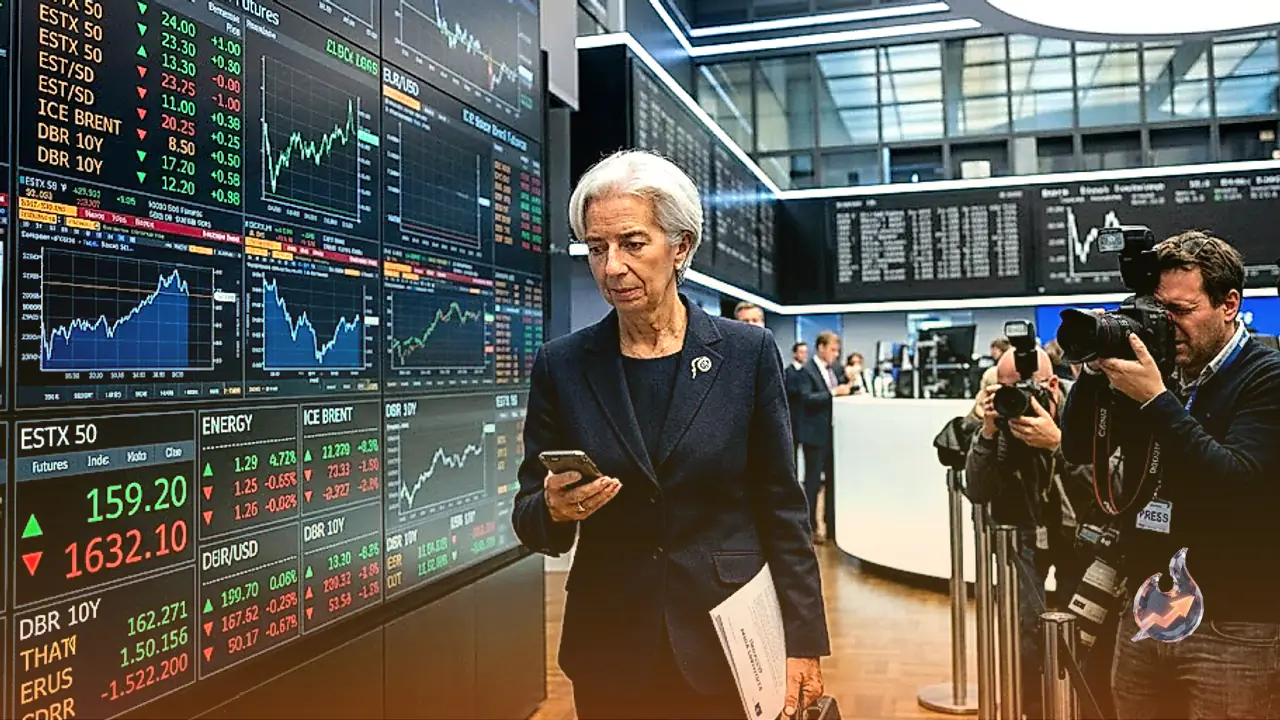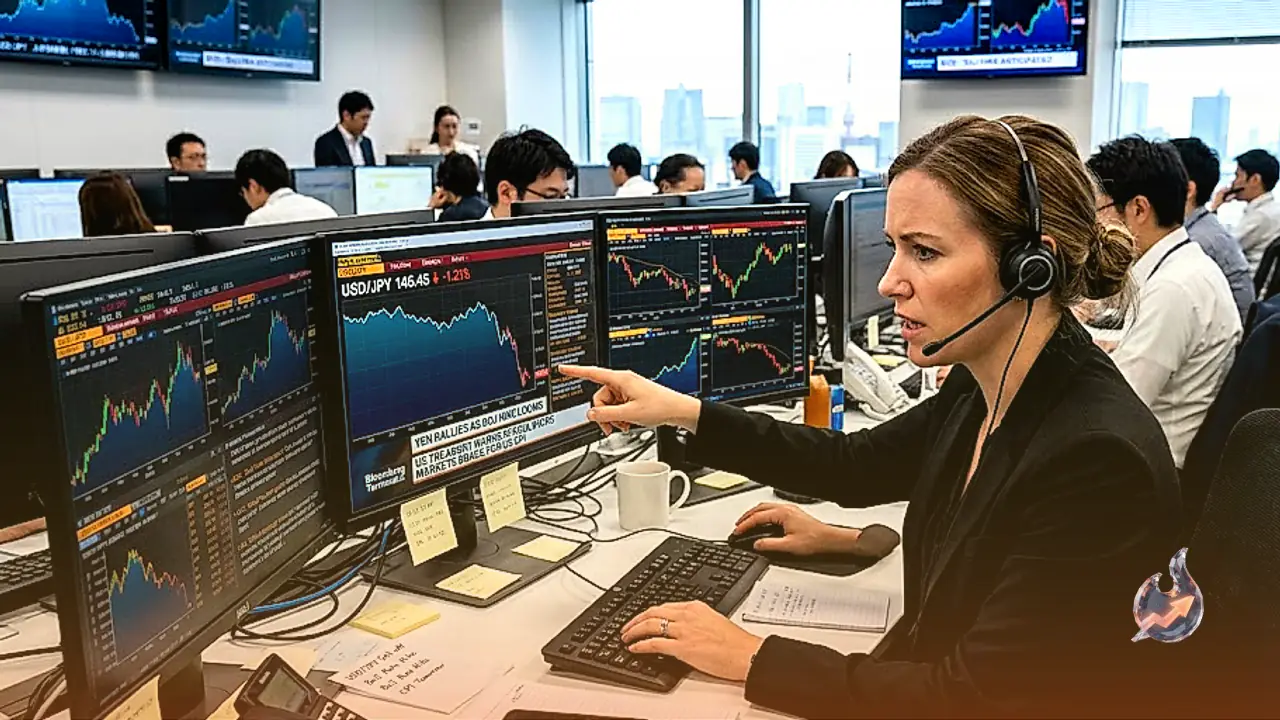
























Equities took a noticeable downturn on Wednesday as the interplay of elevated energy costs, surging government bond yields, and a less-than-inspiring Treasury buyback update sapped investor confidence. Financial market observers note that the cross-asset movement increasingly points toward a stagflationary regime, where sticky inflation pressures collide with slowing economic momentum. Despite the broad market weakness, the technology sector demonstrated relative strength, enabling Wall Street benchmark indexes to navigate the session with lighter losses than their European peers.
Global Benchmarks Slide Under Bond Yield and Energy Pressures
The S&P 500 slipped 0.5% during the session, while Europe's broad Stoxx 600 index recorded a steeper decline of 1.4%. A key catalyst behind the selloff was the steady rise in benchmark bond yields, which dampens the relative equity risk premium and raises borrowing costs across corporate sectors. Crude oil prices also maintained an upward trajectory, intensifying fears that input costs for businesses will remain elevated. Additionally, an announcement regarding US Treasury buybacks failed to provide the liquidity reassurance that traders had anticipated, compounding pressure across major asset classes.
Tech Outperformance and Meta's AI-Driven Surge
Countering the general market weakness, technology equities continued to display resilience. Semiconductor shares finished modestly higher as structural demand for high-performance hardware remains intact. Meta provided a standout individual performance, surging 7% after unveiling its new consumer AI agent named Muse. The product launch highlights the tech sector's accelerating shift toward fully autonomous artificial intelligence tools. Because complex machine learning models require substantially greater computational horsepower, semiconductor and AI infrastructure providers continue to attract capital even as fixed-income yields climb.
Broad Breadth Breakdown Points to Stagflation Shifts
Despite headline support from megacap tech, overall market breadth was severely depressed. A total of 405 out of the 500 constituents in the S&P 500 closed lower. Cyclical groups including industrial and consumer discretionary stocks spearheaded the pullback, tumbling approximately 1.5%. Crucially, the session did not fit the template of a classic risk-off environment where investors flee into safe-haven equities. Traditional defensive groups such as utilities, consumer staples, and real estate suffered sharp drops due to their high sensitivity to rising interest rates. This synchronized weakness across both growth and defensive pockets aligns with a stagflationary dynamic rather than a standard growth slowdown.
FX and Commodity Markets Navigate Central Bank Cues
In foreign exchange trading, the AUD/USD pair consolidated above the 0.7200 threshold during the Asian session, staying near its highest levels since May 14 as markets priced in potential interest rate hikes from the Reserve Bank of Australia. However, hawkish expectations surrounding the Federal Reserve and escalating geopolitical frictions between the United States and Iran provided underlying support for the Greenback, capping gains in the pair. Meanwhile, USD/JPY stabilized above 153.50 but hovered close to a seven-month low following a hawkish repricing of the Bank of Japan's rate path.
Gold Price Dynamics and US Inflation Focus
Gold rebounded after dipping below the $4,400 per ounce mark during intraday trade, pulling away from its one-week low. Gold bulls nevertheless showed caution below the pivotal $4,450 resistance level as traders positioned for critical economic data releases. Markets are awaiting the US Producer Price Index (PPI) and Consumer Price Index (CPI) figures, which will provide vital clues regarding the Federal Reserve's rate trajectory. The latest US labor market data revealed a stronger-than-expected recovery in August, easing immediate growth panic and giving central bankers flexibility to keep monetary policy options open.