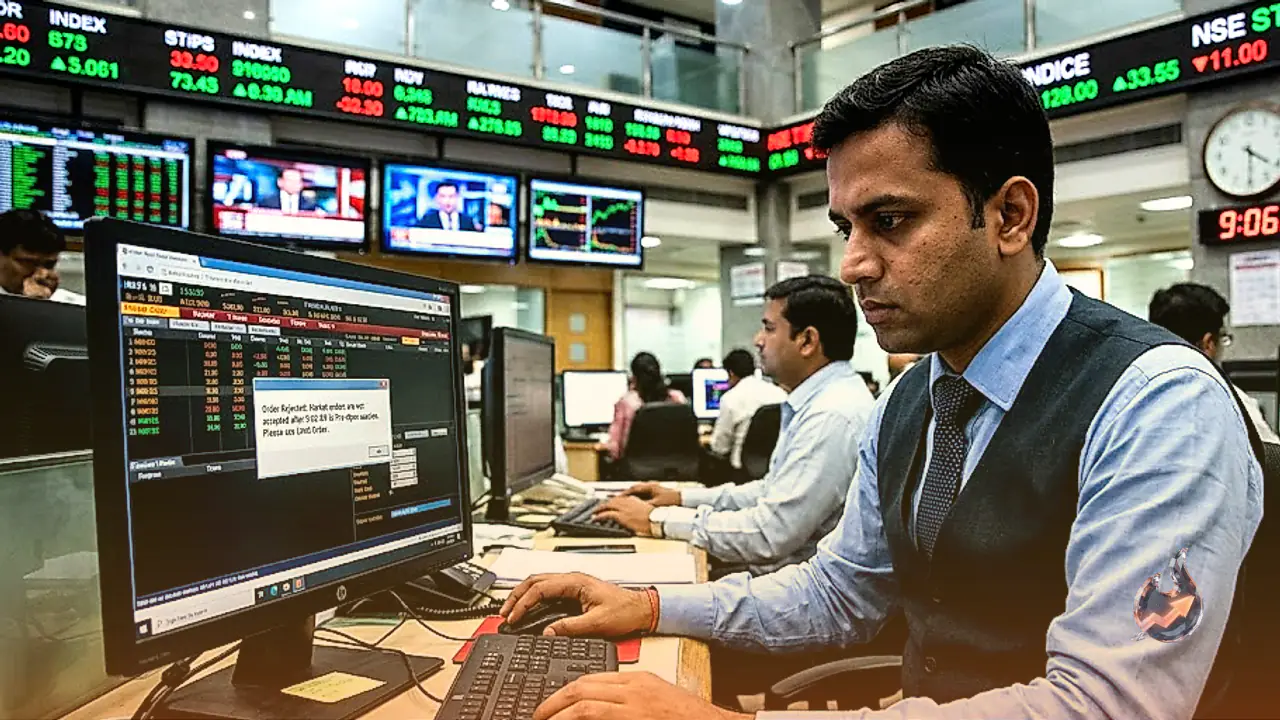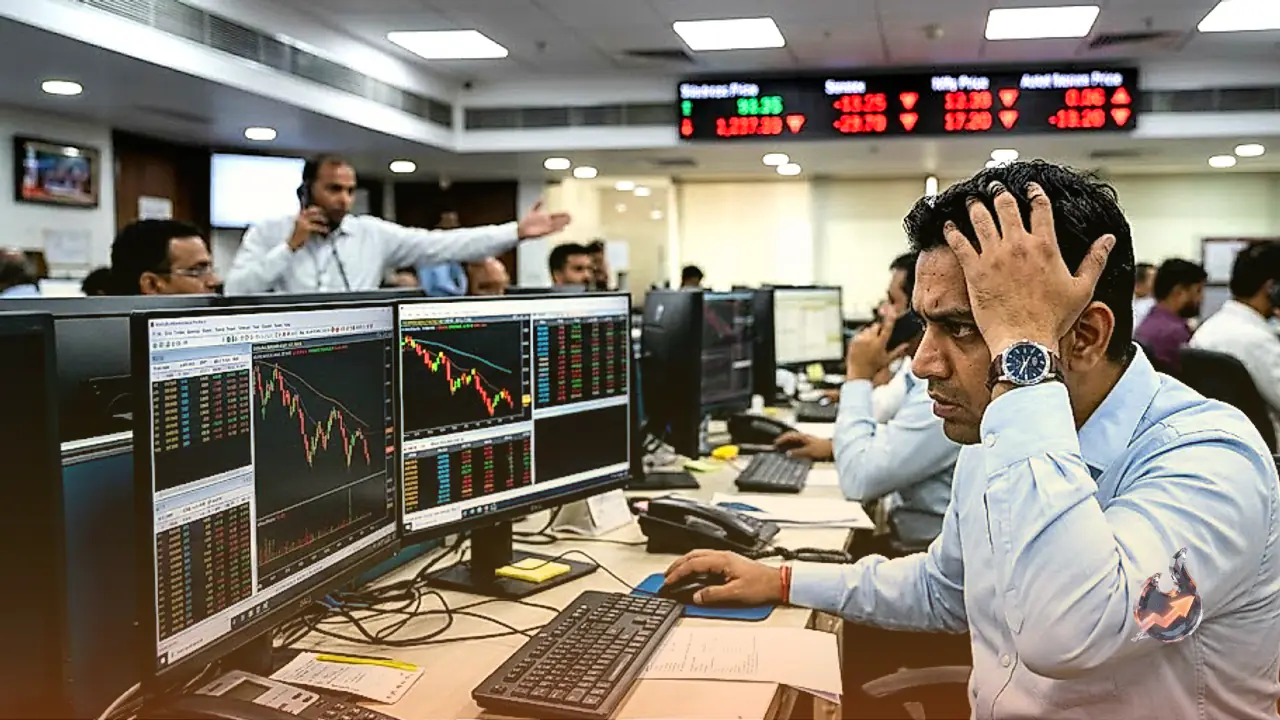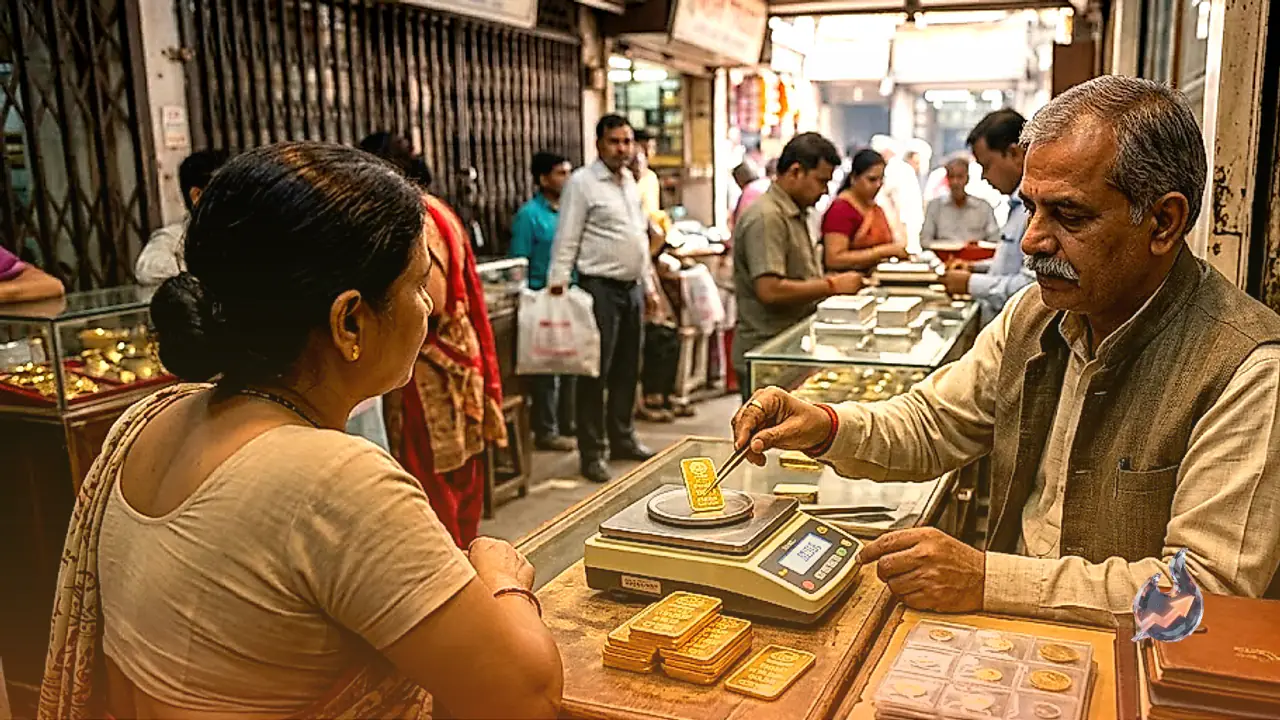

























Exporters and investors around the world are quietly voting with their wallets, and the vote keeps landing on the US dollar. A growing number of countries and companies are turning back to the greenback for trade and settlements. Economists at Standard Chartered believe exporters continue to hold on to the dollar, finding it far more appealing than their own local currencies.
Taiwan offers a striking illustration of the trend. The figures show that the country converts just $2 out of every $100 in export earnings into the New Taiwan dollar. The remaining $98 stays in US dollars, largely because the currency is more stable, more powerful, and extremely liquid.
A Gap Between Leaders' Speeches and Business Reality
Divya Devesh, Standard Chartered's co-head of FX Research, calls the shift 're-dollarization', a swing back toward the dollar. “We're not really in this de-dollarization camp,” she said. Devesh explained that even as several national leaders urge their companies to prioritize local currencies, businesses are still clinging to the dollar, treating it as a way to keep their revenues secure. That, she noted, is where a clear disparity opens up between the rhetoric of political leaders and how companies actually want to protect their earnings.
US Equities Still Pulling In Foreign Money
It is not just the currency that looks attractive. According to Devesh, the American stock market remains a magnet for foreign investors too. She sees re-dollarization playing out in two ways at once, with exporters holding on to their dollars and investors continuing to find US equities well worth their money. That is why the United States still commands the monetary market, even after facing serious challenges since 2022. Devesh stressed that the alternative currencies on offer simply are not compelling enough for business.
Why the Dollar's Dominance Is Not Slipping
Devesh also argued that while re-dollarization is gathering momentum, the de-dollarization trend is fading. She does not expect the dollar to shed its safe-haven status in the near or medium term merely because of the budget deficit. The dollar remains the most productive currency in the world, and without it global businesses could face heavy losses. That is precisely why companies are circling back to it, despite the calls from their leaders to switch to local currencies. Taken together, the shift signals that the dollar's dominant position looks set to stay.