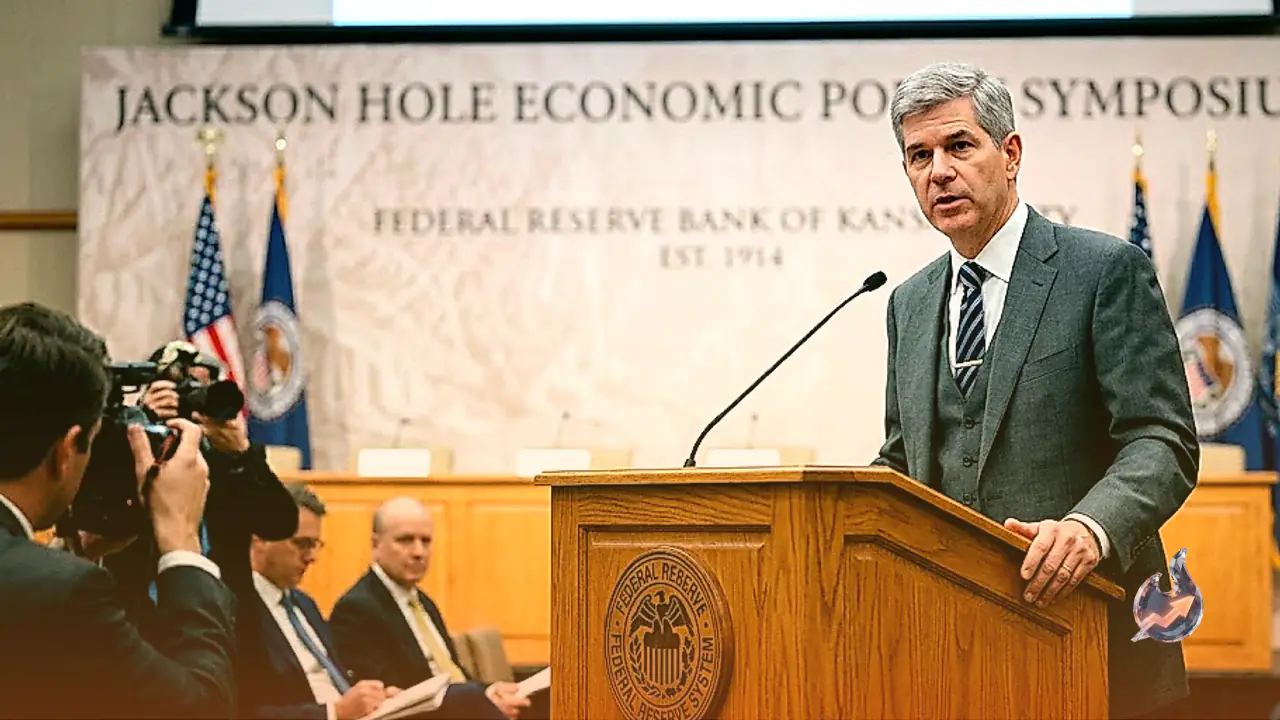




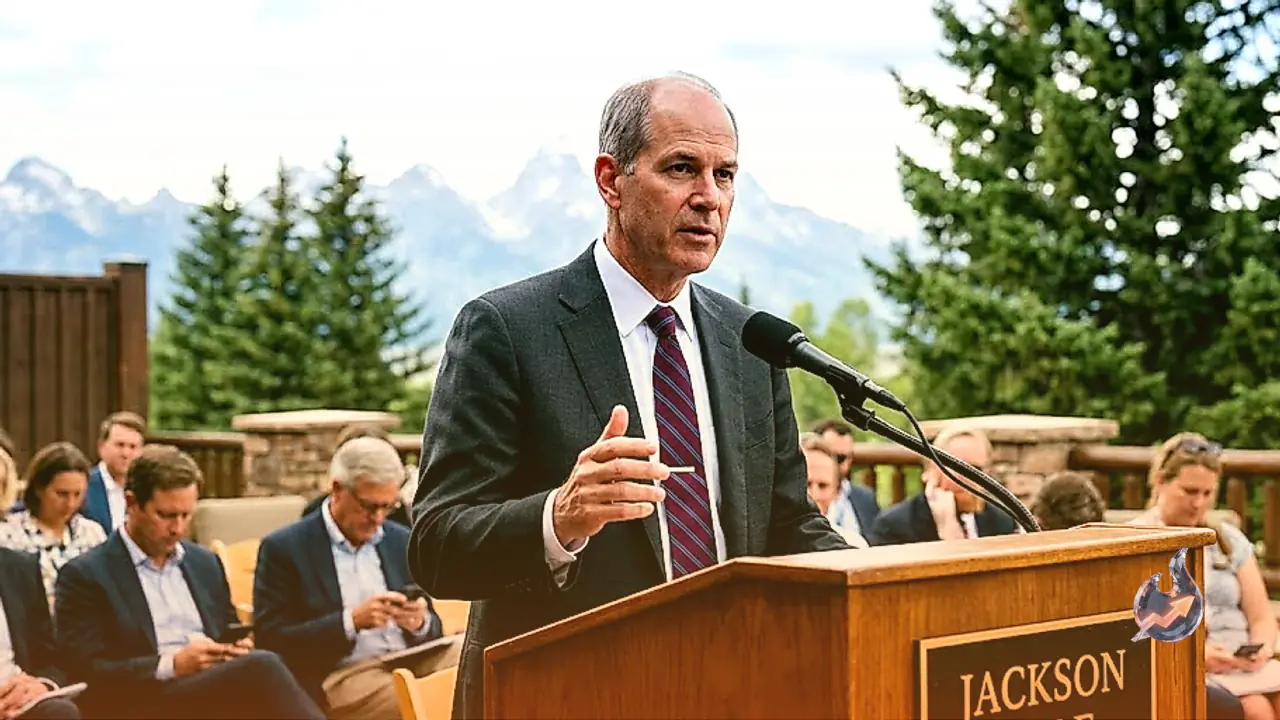



















The US Dollar has mounted a solid recovery, reclaiming much of its losses from the previous week as a hawkish intervention by Federal Reserve Chair Kevin Warsh at the Jackson Hole Symposium set the stage for renewed momentum in the Greenback.
Indeed, the US Dollar Index (DXY) has steadied its footing and remains on course to conclude the week with robust gains, keeping alive expectations of another test of the key 100.00 psychological threshold. Meanwhile, investors have largely absorbed the recent turbulence witnessed in the US bond market. With the geopolitical landscape remaining remarkably calm and no fresh verbal interventions emanating from Japan’s Ministry of Finance or the Bank of Japan, market participants had few distractions, directing their attention squarely toward domestic economic data and, crucially, Warsh's policy message.
Jackson Hole Address Reinforces Rate Hike Arguments
Warsh’s commentary raised questions regarding whether current monetary policy is delivering sufficient restraint. He noted he would find it difficult to characterize existing financial conditions as restrictive, pointing out that credit and loan markets displayed minimal signs of policy tightening. Concurrently, healthy consumer spending, stable labor markets, and broader economic resilience have provided the Federal Reserve ample room to maintain its primary focus on combating inflation.
While acknowledging that medium-term inflation expectations and market pricing remain generally reassuring, he cautioned that such stability can appear durable until sentiment shifts abruptly. Moderate wage growth, he added, may not serve as a reliable indicator for future price trajectories. Although a significant majority of policymakers considered pausing at the July meeting to be a prudent course, Warsh stressed that the central bank ultimately must deliver price stability.
These remarks reinforce the arguments for potential interest rate hikes later in the year, even though they do not constitute an explicit commitment to act at the upcoming meeting. The confluence of persistent inflation, robust demand, and financial conditions that lack clear restrictiveness offers hawkish officials strong justification for future action.
The decisive factor will hinge on whether upcoming economic reports confirm that underlying inflation is genuinely trending back toward the 2% target. If progress remains subdued, recent commentary suggests the threshold for initiating renewed tightening could be lower than previously anticipated by market participants.
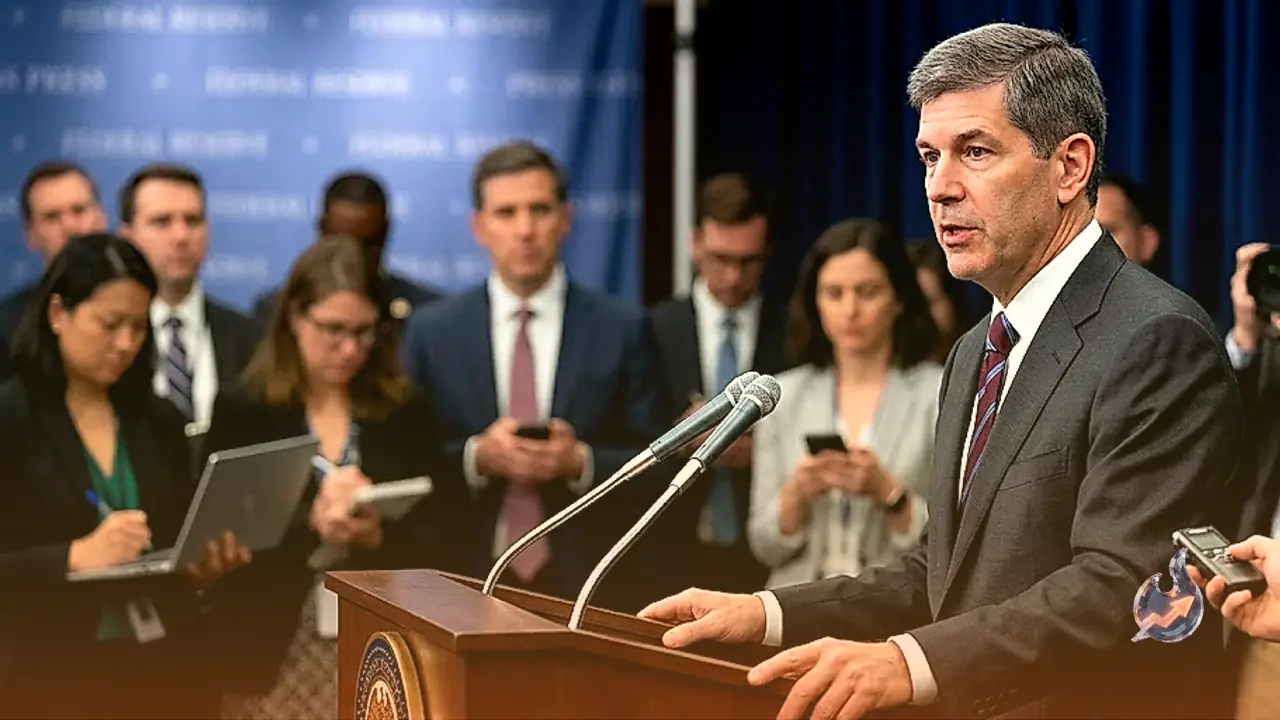
Federal Reserve officials delivered a distinctly hawkish tone throughout the week, warning that price pressures remain stubborn as tariffs, geopolitical conflict, and elevated energy costs complicate the final leg toward the 2% objective. Beth Hammack of the Cleveland Fed emerged as the most vocal proponent of rate hikes, whereas Jeffrey Schmid from Kansas City and Austan Goolsbee of Chicago advocated for gathering additional data before finalizing their next policy step.
The overarching theme among policymakers centered on lingering concerns that inflation is not yet fully anchored. Hammack projects inflation to close the year near 3%, Schmid characterized price pressures as sticky, and Goolsbee highlighted the risk of uncontrolled inflation as his primary near-term fear.
Hammack delivered the most explicit policy signal, explicitly advocating for rate increases and warning that delayed action would ultimately inflict greater economic damage. She observes minimal restraint from current interest rates and fears that persistent inflation could erode confidence in the 2% target. Schmid shared similar concerns about sticky inflation and questioned the degree of restriction exerted by current policy, though he emphasized the need for more information ahead of the next meeting.
Furthermore, officials touched upon the central bank's institutional independence. Goolsbee cautioned that political interference generally culminates in higher inflation, while Hammack underscored that the Fed operates separately from the Treasury, maintaining credibility through adherence to its dual mandate.
Speculative bullish positioning in the US Dollar experienced a further reduction in the week ending August 18, according to data from the Commodity Futures Trading Commission (CFTC). Net speculative positioning declined by just over 2.3K contracts, extending the previous week's downward trend and bringing the four-week change to nearly +3.5K. Open interest simultaneously contracted by about 3% to approximately 48K contracts, indicating long liquidation and an unwinding of bullish exposure rather than an aggressive accumulation of fresh short positions.
Speculative exposure dropped sharply to 39.8% from 43.2%, while the corresponding percentile eased to 68.5. Although these readings remain above neutral historical benchmarks, the figures highlight a clear erosion of bullish conviction from a relatively lofty baseline. Overall positioning remains net long, but underlying momentum has deteriorated.
Broader Market Movements and Asset Reactions
The final stretch of the disinflation process continues to present challenges, providing foundational support for the US Dollar as markets recalibrate expectations regarding the persistence of remaining price pressures. Core inflation, which excludes volatile items like food and energy, remains the key metric targeted by central banks mandated to maintain price stability around 2%.
Higher inflation typically leads central banks to raise interest rates to cool the economy, which in turn attracts global capital inflows and strengthens the currency. Conversely, elevated interest rates increase the opportunity cost of holding non-yielding assets such as gold, creating downward pressure on the precious metal during periods of aggressive monetary tightening.
Reflecting these broader market dynamics, the GBP/USD pair retreated toward the 1.3530 region on Friday, weighed down by the strengthening Greenback following Warsh's Jackson Hole address and domestic labor market revisions. Similarly, EUR/USD accelerated its decline, slipping below the 1.1600 threshold to hit seven-day lows. Gold prices faced renewed selling pressure, testing critical support near the 200-day simple moving average around $4,530 per troy ounce as US Treasury yields rebounded.
In the digital asset space, Bitcoin dropped back below $80,000 on Friday after struggling to breach resistance in the $81,000 to $82,000 range. Major altcoins mirrored this cooling trend, with Ethereum sliding to $2,500 and Ripple declining toward $1.40 support. Meanwhile, energy markets exhibited divergent trends, with the US diesel crack spread surging to a record intraday high above $102.00 per barrel.