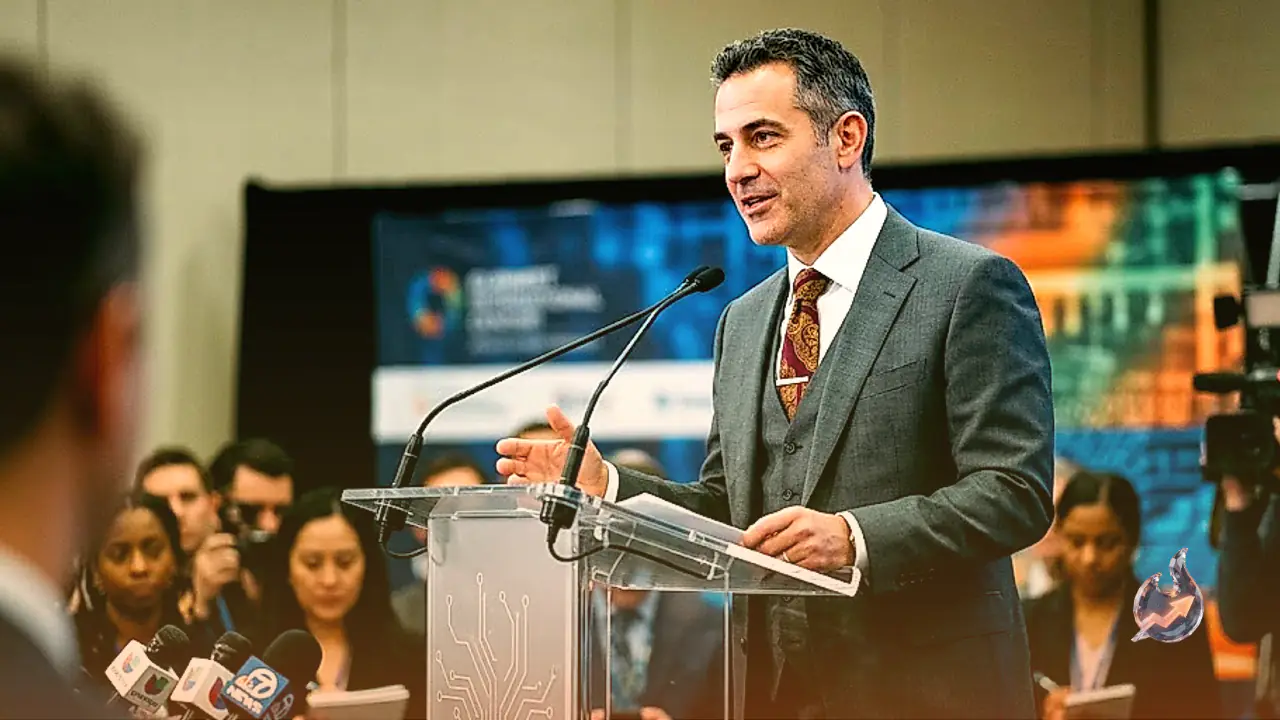























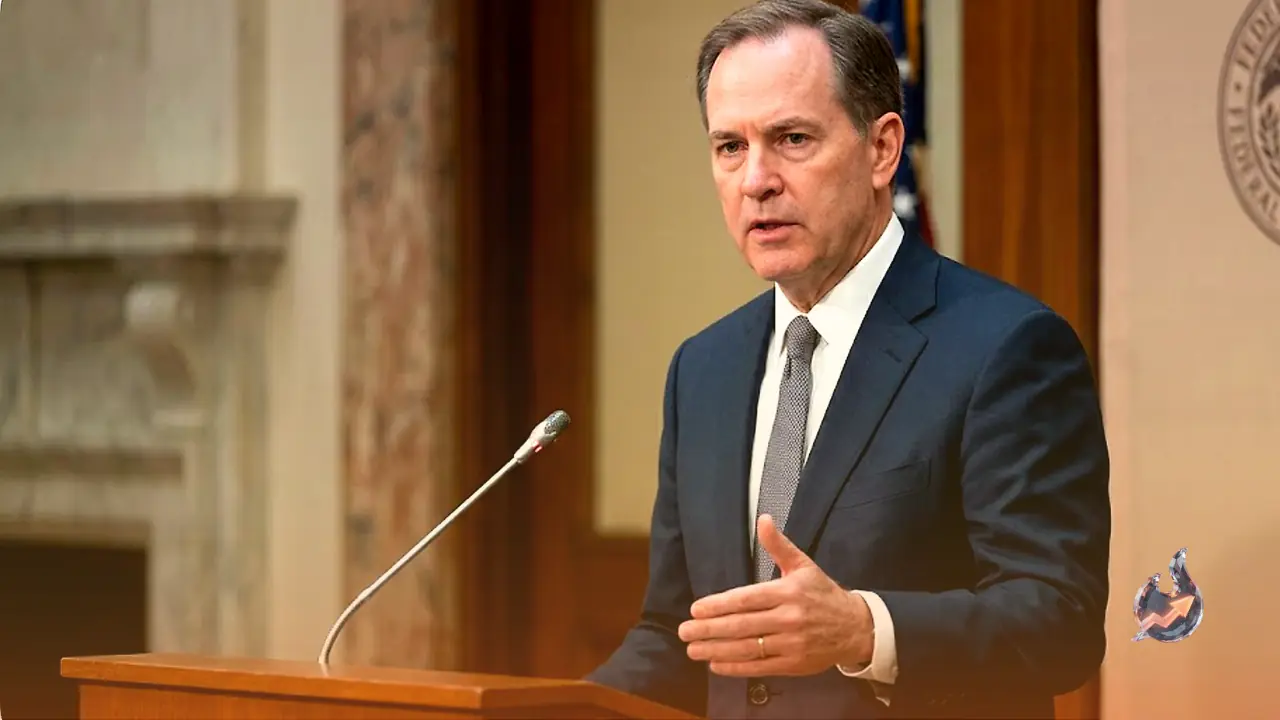

The road back to the Federal Reserve's 2% inflation goal just got longer. In his latest remarks, Williams pushed the expected return to that target from 2027 out to 2028, a signal that restrictive policy could stay in place longer than many had assumed. He stressed that bringing inflation back to 2% remains imperative for the Federal Reserve.
Williams reiterated that monetary policy is well-positioned for the current economic environment. He expects inflation to moderate to around 3.5% this year, with price pressure easing only gradually over time.
Middle East tensions and price pressure
Williams noted that if war-related disruptions in the Middle East are resolved soon, they could take some of the pressure off inflation. He added that the US economy has so far shown resilience against the economic fallout of the war.
Confidence in growth and jobs
Looking ahead, Williams expects the US economy to grow at around 2.25%, with unemployment falling to 4% by 2028. He described the labor market as resilient, reinforcing the view that the economy remains strong despite the uncertainty.
Keeping a lid on rate pressure
Williams said standing repo operations remain a key tool for capping pressure on interest rates. He added that the Fed will adjust its reserve-management purchases as needed.
What it adds up to
Taken together, Williams' comments read as moderately hawkish. Pushing the 2% target back from 2027 to 2028 points to a longer stretch of restrictive policy. Calling policy well-positioned, forecasting inflation to ease only gradually to 3.5% this year, and pointing to resilient growth and labor markets all underscore a stance that tolerates higher inflation for longer while keeping the focus on eventually reaching 2%. References to Middle East war risks, standing repo operations and reserve management highlight ongoing vigilance against upside inflation and market rate pressure, a backdrop that should keep US Dollar yields elevated.