
























Global financial markets began the week of Monday, July 27, on a firmer footing following a temporary halt in military strikes between the United States and Iran. With both sides pausing active operations to allow room for diplomatic discussions, investor sentiment turned positive. The resulting decline in the US Dollar helped lift major currencies and risk-sensitive assets ahead of crucial interest rate announcements scheduled later in the week by the Federal Reserve (Fed) and the Bank of England (BoE).
De-escalation Signals in Middle East as US Halts Military Action
In diplomatic updates reported by CNN, the US ambassador to the United Nations indicated that President Donald Trump is granting time and space for potential negotiations with Iran. In turn, Iran suspended its retaliatory strikes. Addressing separate reports suggesting that the US armed forces were facing ammunition shortages, President Donald Trump rejected the claims.
ING Analysis and the Strait of Hormuz Shipping Routes
Market analysts at ING noted that while the suspension of strikes represents the first concrete signal of de-escalation between the US and Iran, the underlying forces remain ambiguous, with limited detailed explanations provided by Washington.
Furthermore, ING highlighted that the temporary calm has not translated into an immediate increase in commercial maritime traffic through the Strait of Hormuz. Analysts emphasized that a sustained recovery in shipping activity depends on whether the de-escalation proves lasting and vessels can navigate the strategic waterway without security threats.
European Central Bank Policy Outlook and Philip Lane Remarks
Assessing recent monetary policy communications, the FXS Speechtracker assigned a score of 5.4 out of 10 to remarks made on Friday by European Central Bank (ECB) Chief Economist Philip Lane. This reading fell below his historical average of 6.4 out of 10, pointing toward a less assertive and marginally more dovish stance.
Lane stressed that the ECB will maintain a meeting-by-meeting, data-dependent strategy rather than committing in advance to aggressive monetary tightening. He remarked that the European economy continues to expand and projected that inflation will return to its target level within the next year or so, indicating a patient policy approach.
Understanding Risk-On and Risk-Off Dynamics in Foreign Exchange
To navigate broader currency market swings, investors frequently reference risk-on and risk-off market environments
- Risk-On Sentiment: When optimism prevails, market participants increase exposure to growth-oriented assets. Stock indices typically rise, industrial commodities gain, and currencies of commodity-exporting nations strengthen. Currencies such as the Australian Dollar (AUD), Canadian Dollar (CAD), New Zealand Dollar (NZD), Russian Ruble (RUB), and South African Rand (ZAR) perform well due to higher global demand for raw materials.
- Risk-Off Sentiment: When market uncertainty grows, capital shifts toward safer instruments, including sovereign bonds, Gold, and safe-haven currencies. The US Dollar (USD), Japanese Yen (JPY), and Swiss Franc (CHF) benefit during these periods. The US Dollar derives strength from its reserve currency status, the Yen is supported by a large domestic investor base, and the Swiss Franc benefits from Swiss capital protection laws.
Performance Across Key Currency Pairs, Gold, and Crypto Markets
A broad retreat in the US Dollar influenced price action across multiple asset classes on Monday morning
- USD/JPY: Having reached a four-decade peak near 164.00 in the previous week, the pair pulled back to trade around 163.50 during early European trading.
- GBP/USD: Extending its recovery from a three-week low hit on Friday, the British Pound gained upward momentum to trade near 1.3350 for a second consecutive session of gains.
- EUR/USD: Supported by softer US Dollar demand and hopes for a diplomatic end to the five-month conflict between the US and Iran, the Euro held gains around the 1.1400 level.
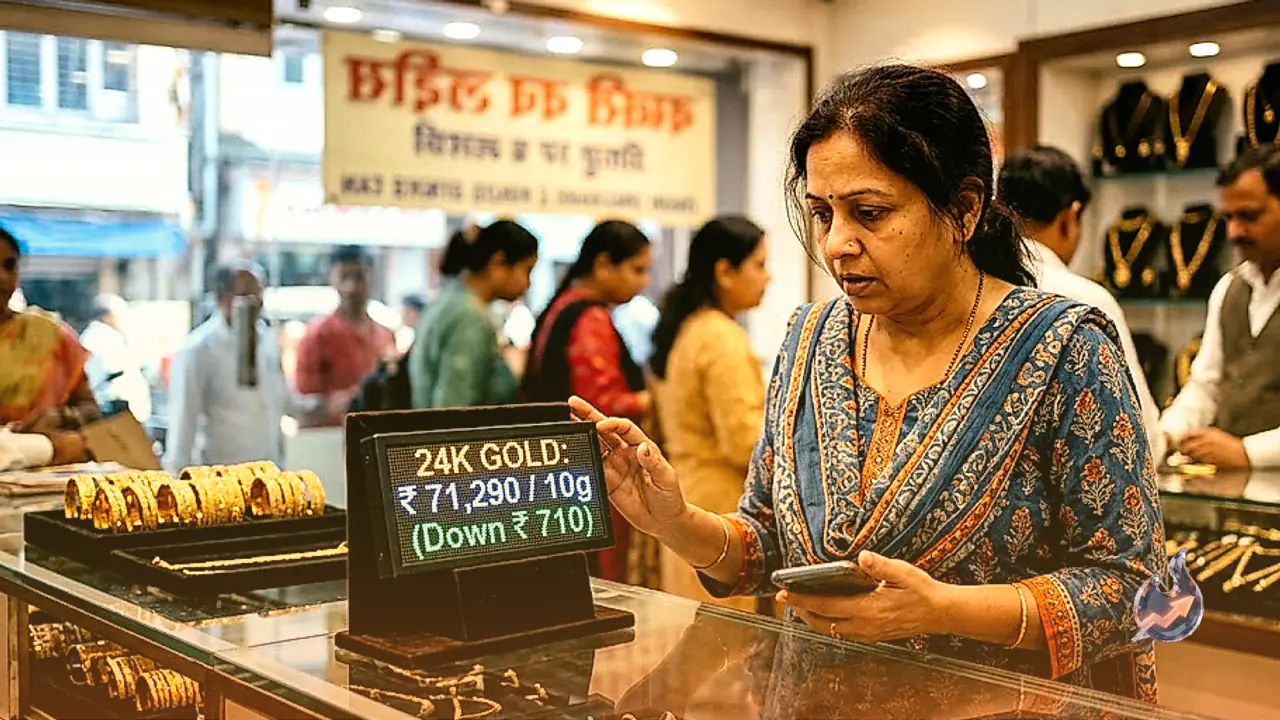
- Gold (XAU/USD): Spot Gold maintained modest intraday gains near the $4,100 mark, though upside momentum remained capped ahead of the upcoming FOMC gathering. Hopes for diplomatic progress also drove a decline in crude oil prices.
- Cardano (ADA): In cryptocurrency markets, Cardano traded lower around $0.165 following minor losses last week. Weak derivatives metrics and soft momentum indicators point to sustained downside pressure.
- Australian Dollar (AUD): After touching a four-year peak in the first half of the year before undergoing a correction, the currency enters the second half under the shadow of Middle East uncertainties affecting inflation and rate expectations.