
























The commercial rollout of a disruptive telecoms entrant in 2016 reshaped India's mobile and internet ecosystem by fundamentally redefining infrastructure efficiency and service bundling. Armed with hyper-competitive consumer pricing, a nationwide rollout of standalone 5G radio infrastructure, and a fully integrated consumer software suite, the company rapidly challenged established operators who were heavily burdened by legacy operational practices. While longtime rivals wrestled with rising debt and structural headwinds, this modern digital infrastructure operation systematically expanded its base. Now, the forthcoming Rs 30,213 crore initial public offering of Jio Platforms, opening for subscription on October 21, highlights how structural technology changes dismantled the old guard of Indian telecommunications.
Solving Fixed-Line Bottlenecks Through Fixed Wireless Access
With more than 300 million households across the nation, India represents one of the largest untapped consumer broadband sectors globally. However, delivering traditional physical fiber optic cables to every individual door poses severe logistical headaches. Labor-intensive civil trenching works, bureaucratic delays in municipal right-of-way permissions, and high deployment expenses per subscriber traditionally made physical line installations prohibitively slow and expensive.
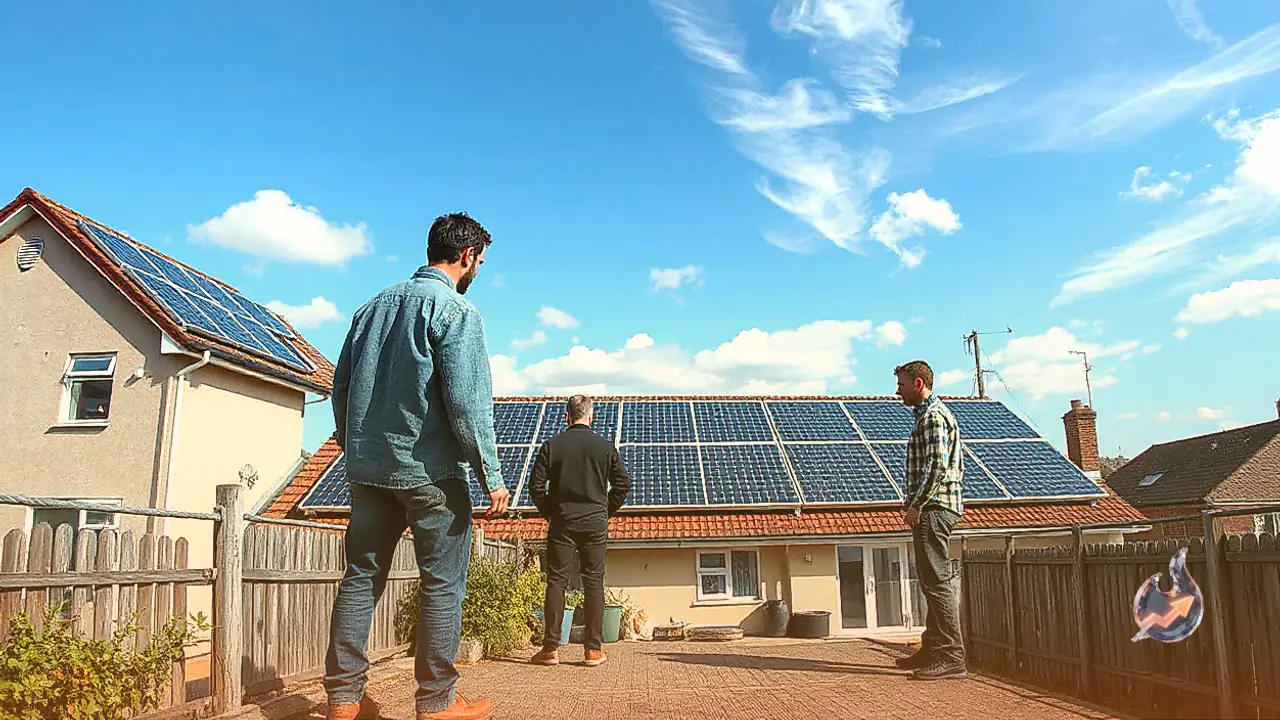
To overcome these persistent hurdles, the network introduced a fixed wireless access framework that delivers high-speed connectivity over the air directly to a specialized receiver unit placed at the customer premises. This design eliminated the operational burden of digging trenches and physically wiring individual residences. Making this framework work at massive scale required dedicated proprietary hardware, leading to the internal creation and refinement of UBR technology. By March 2026, Jio AirFiber had connected approximately 13 million households through this wireless architecture. Combining these wireless installations with traditional Jio Fiber deployments expanded the overall fixed-broadband footprint to an aggregate 27.1 million subscribers, creating one of the largest home data networks in the world.
Proprietary Software and Network Consolidation
The enterprise expansion goes beyond merely transmitting radio frequencies across neighborhoods. The company's underlying competitive advantage stems from the deep integration of core transport infrastructure, custom software engineering, proprietary in-house hardware, and a diverse portfolio of digital consumer services. Rather than remaining an intermediary that simply leases hardware and software from third-party vendor systems, substantial investments were directed toward developing homegrown intellectual property.
This technological independence allowed the operator to leverage its nationwide 5G wireless footprint simultaneously for mobile smartphone users and high-capacity residential endpoints. By combining low retail price points with high-speed delivery capabilities, residential broadband has evolved into a central commercial growth driver alongside the mobile telephony portfolio. This transition underscores how the firm deliberately positioned itself as an enterprise technology and digital services platform rather than a conventional voice-and-data utility. Meanwhile, traditional industry competitors such as Airtel have continued to face friction in scaling their residential connectivity footprint at a comparable pace.
Public Offering Timelines, Share Pricing, and Market Listing
The upcoming equity issue, carrying a total size of Rs 30,213 crore, will open for institutional and public bids on October 21 and officially close on October 23. Bidders will be able to apply within a set price band ranging from Rs 1,065 to Rs 1,119 per share. According to the scheduled timeline, shares of Jio Platforms are slated to make their public trading debut on the stock exchanges on October 28. Early interest from anchor investors will offer an initial gauge of whether large institutional asset managers are willing to endorse the firm's long-term digital monetization roadmap before secondary market trading commences.