






















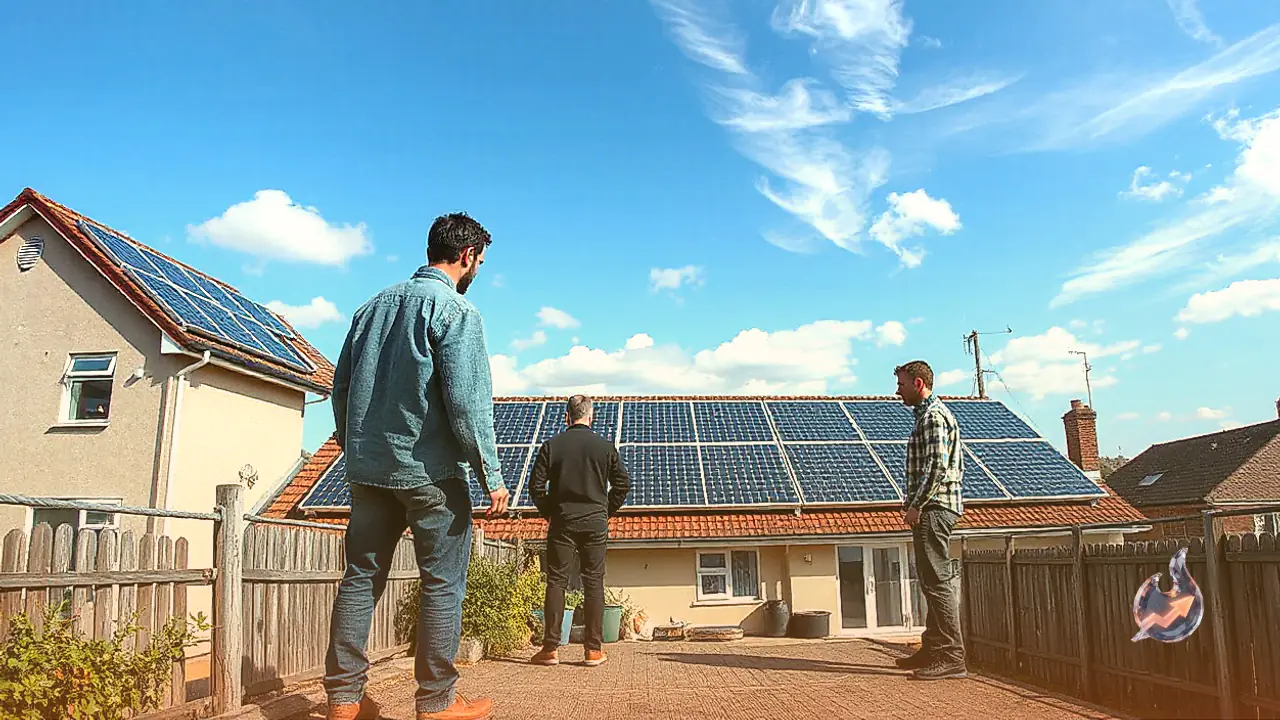

Across rural areas and smaller towns, property owners frequently have access to expansive rooftops or vacant land plots. With rising enthusiasm surrounding solar energy adoption, many residents consider installing solar panels far beyond their personal household requirements. The primary intention behind such plans is often to satisfy domestic power needs and subsequently sell the surplus electricity to neighbouring households or village residents. However, power distribution regulations governing electricity supply maintain strict boundaries regarding private commerce.
Why Supplying Solar Power Directly to Neighbours Is Prohibited
According to Council on Energy, Environment and Water program lead Bhawna Tyagi, standard regulations strictly prohibit individuals from setting up solar panels on private property and distributing power directly to neighbourhoods without official licensing and governmental authorizations. Electricity distribution operates under tight state regulation and comprehensive administrative scrutiny.
In the vast majority of scenarios, power transmission must flow through the formal public grid in strict compliance with the framework established by electricity regulators and power distribution companies (DISCOMs). While certain locations are experimenting with alternative mechanisms like peer-to-peer trading trials, these initiatives function strictly within controlled official parameters. Even within these trials, unchecked and unregulated private selling among households is completely disallowed.
Legal Repercussions and Penalties for Unauthorised Power Sales
Under current solar power regulations, commercial distribution of electricity without valid statutory permissions is classified as an illegal activity. Engaging in informal power sales to adjacent properties can trigger immediate and severe regulatory penalties from the authorities.
Violators risk substantial monetary fines, official compliance notices, immediate disconnection of the solar system, and further administrative or judicial action. Furthermore, individuals who have secured governmental financial support or subsidies for setting up their rooftop solar units risk having those benefits cancelled or withheld if found violating energy supply norms.
The Legitimate Route: Selling Surplus Energy to DISCOMs
Property owners generating electricity far in excess of their personal consumption have an established legal and rewarding avenue to monetise that surplus. The approved mechanism permits consumers to export their excess electricity directly to local distribution companies (DISCOMs).
Executing this arrangement requires setting up an officially certified grid-connected rooftop solar installation. Under this configuration, the wider electrical grid serves as a reliable storage infrastructure. During peak daylight hours when solar generation outpaces household demand, the excess power is seamlessly exported into the utility grid. Net metering technology logs these contributed units as export credits on the consumer's account.
Net Metering Settlements and Annual Compensation
The net metering framework maintains an exact balance sheet comparing units exported to the grid against units drawn during periods of low generation. These saved credits prove valuable during winter months or extended overcast days when solar output drops below everyday household demand, allowing consumers to draw back energy without paying regular charges.
Whenever the volume of exported power remains higher than the aggregate household consumption over the designated billing period, the consumer can officially sell that balance to the utility provider. Distribution companies calculate these accumulated excess exports annually and disburse financial payments directly to the system owner. Following this sanctioned utility-linked protocol ensures steady financial gains while eliminating any legal exposure associated with illicit neighbourhood trading.