



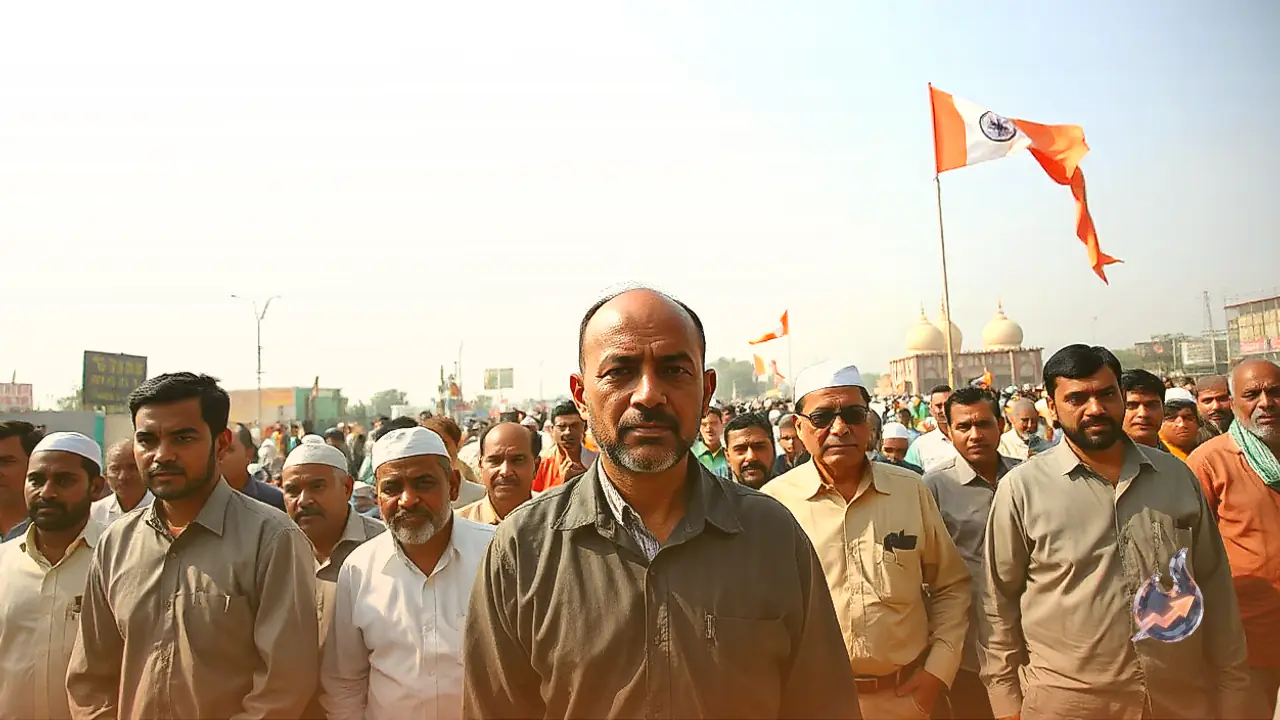


















Indian stock markets witnessed dramatic trading action during the special Muhurat Trading session held on 8 November on the auspicious occasion of Diwali. As soon as the trading bell rang, investors rushed in with aggressive buying orders, pushing the Sensex up by more than 300 points within the opening minutes. However, the initial optimism failed to sustain throughout the session, and market sentiment took a sharp turn by the time the bell rang for closure.
Why the Market Sentiment Shifted at Close
By the end of the session, selling pressure mounted significantly, dragging the Sensex down by 30 points into negative territory. Traditionally, Muhurat Trading sessions on Diwali almost always close with gains, making this rare instance of a negative close after several years a major talking point among market participants trying to understand why investors suddenly pulled back from buying.
Geopolitical Tensions and Global Crude Prices
The sudden reversal in market mood was primarily triggered by escalating military hostilities between the US and Iran. The renewed conflict raised immediate concerns across global markets, leading to a sudden surge in crude oil prices. This international development directly impacted domestic investor sentiment, causing market participants to opt for profit-booking rather than extending their positions during the festive window.
Profit Booking Overrides Festive Optimism
After executing symbolic trades in observance of the auspicious hour, participants chose to lock in short-term gains to hedge against looming global uncertainties. Heavy profit-booking at higher levels eroded the early morning gains, forcing the key indices to finish the special trading session in the red.