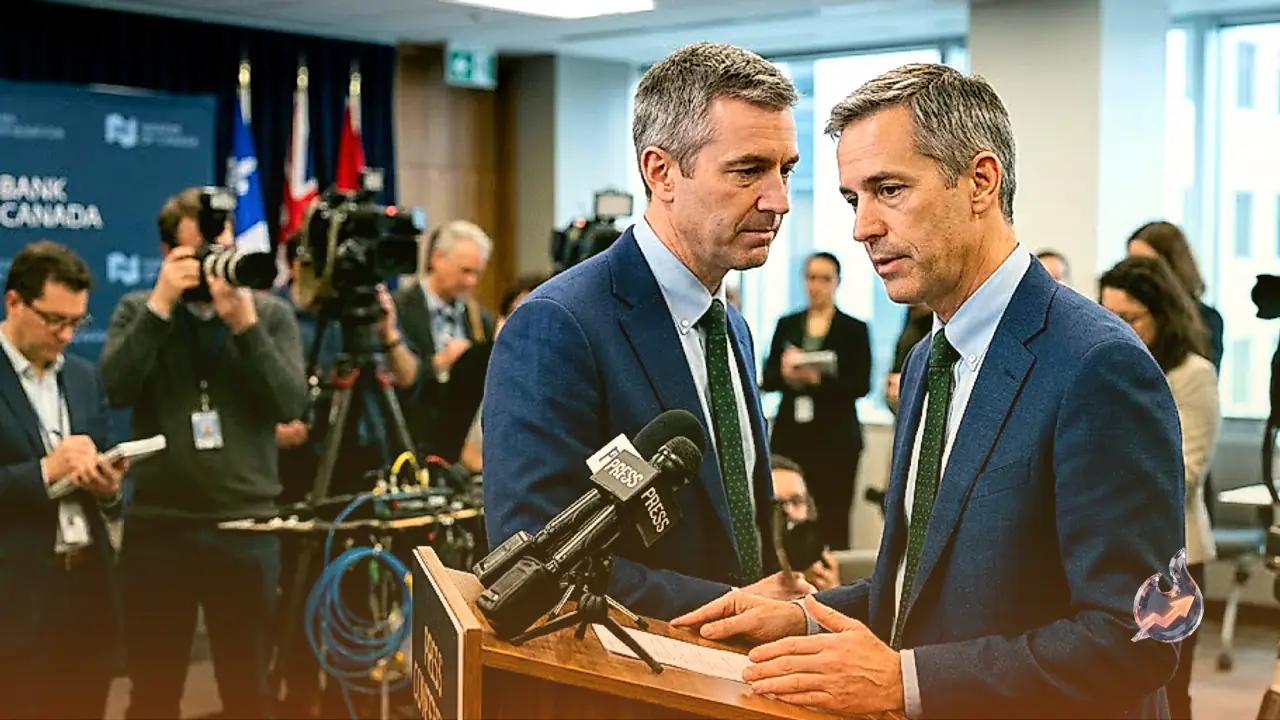

























The GBP/JPY currency pair traded lower during Monday sessions as the Japanese Yen gathered widespread strength against its main counterparts. Meanwhile, the Pound Sterling suffered from a lack of fresh domestic catalysts because financial markets across the United Kingdom remained closed for the Summer Bank Holiday. At the time of publication, the cross rate hovered near the 216.40 region, pulling back after touching an intraday high close to 216.85.
Yen Buyers Emerge Amid Intervention Concerns
Buying pressure returned to the Japanese currency shortly after the USD/JPY exchange rate crossed above the psychologically critical 160.00 threshold, a level that historically triggers official market intervention from Tokyo authorities. Figures published by the Finance Ministry on Friday revealed that Japan deployed a record ¥15.4 trillion, equivalent to roughly $96.5 billion, to defend the Yen between July 30 and August 26 after the USD/JPY pair touched a 40-year peak near 164.00.
Foreign exchange strategists at OCBC point out that an upcoming September policy adjustment would represent a departure from the Bank of Japan's usual pace during the current tightening cycle, where interest rate increases have historically occurred at roughly six-month intervals, with the most recent hike arriving in June. Analysts caution, however, that it remains difficult for the central bank to outpace aggressive market pricing already built into the yield curve. Current financial pricing indicates an estimated 85% probability of a September rate increase, alongside expectations for accelerated tightening thereafter, which implies the benchmark policy rate could climb from 1.00% up to 1.75% by July 2027.
Bank of England Outlook and UK Economic Context
Across the Channel, the Bank of England is widely anticipated to maintain steady interest rates throughout the upcoming months, despite domestic inflation persisting well above its official 2% target. During their most recent policy gathering, a majority of central bank officials concluded that tighter financial conditions resulting from the Middle East conflict have provided adequate insulation against price pressures originating from elevated energy costs.
Broader currency markets saw the GBP/USD pair lose recovery momentum after testing levels above 1.3550 earlier in the session. The US Dollar maintained resilience following hawkish remarks delivered by Federal Reserve Chair Kevin Warsh at the Jackson Hole Symposium, which served to cap upside potential for the pair. Concurrently, intensifying geopolitical friction in the Middle East encouraged investors to maintain a cautious stance. Elsewhere, the EUR/USD pair held onto modest daily gains near 1.1600 during Monday's European afternoon hours following German consumer price data reporting annual inflation ticking up to 2.9% in August, matching economists' forecasts.
Precious Metals, Cryptocurrencies, and Energy Markets
Gold prices stabilized near $4,450 during the European trading hours, managing to distance themselves from sub-$4,400 levels even though further upside remains constrained. A softer US Dollar provided baseline support for bullion, though Fed Chair Kevin Warsh's previous comments emphasizing inflation containment continued to sustain expectations for monetary tightening. In the digital asset space, Dogecoin traded near the crucial $0.081 support floor following a weekly decline exceeding 12%, with blockchain indicators suggesting prominent whale wallets are realizing profits following earlier gains. Meanwhile, the energy sector witnessed historic movement as the US diesel crack spread, measuring the premium of ultra-low sulphur diesel futures relative to West Texas Intermediate crude, surged past $100 per barrel for the first time to print an intraday record just above $102.00.