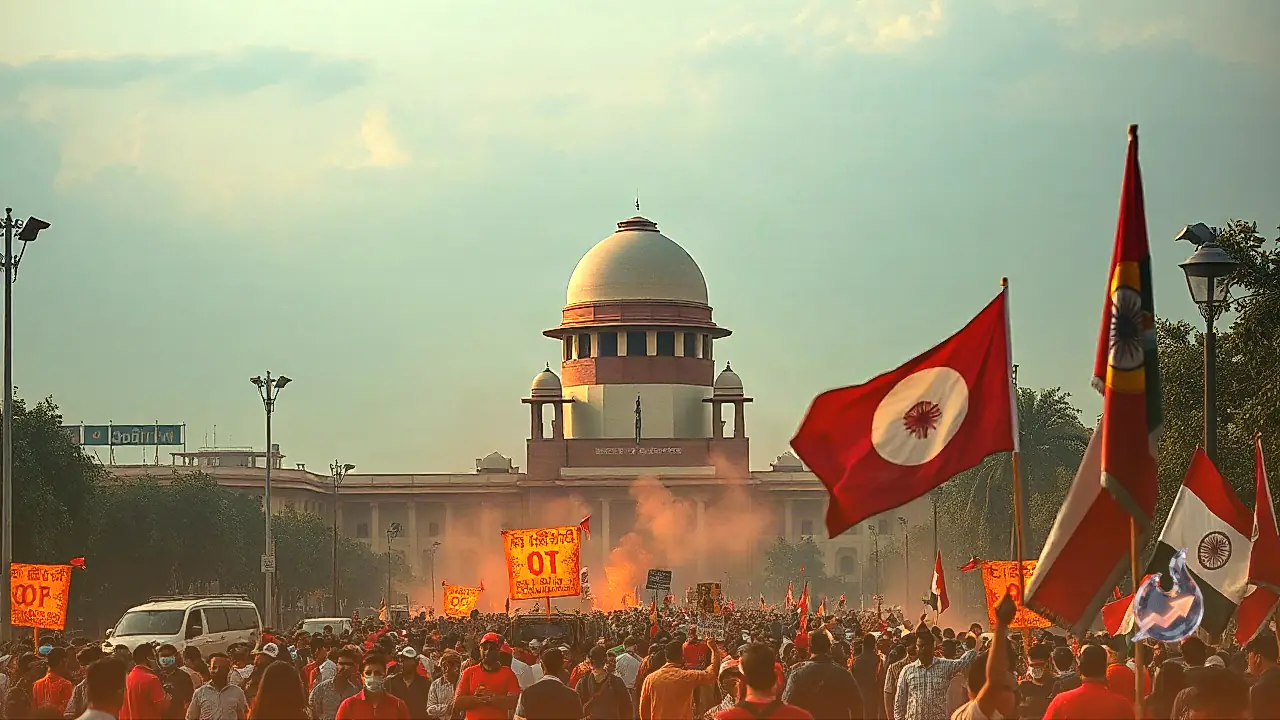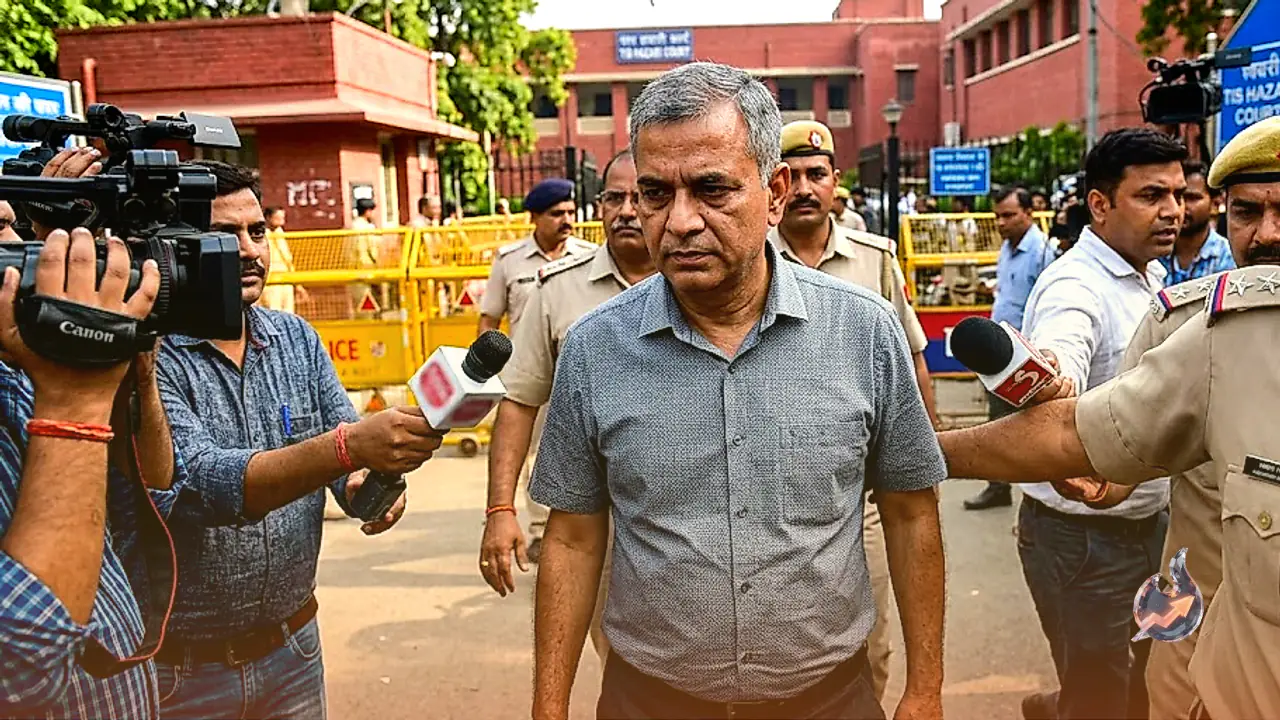
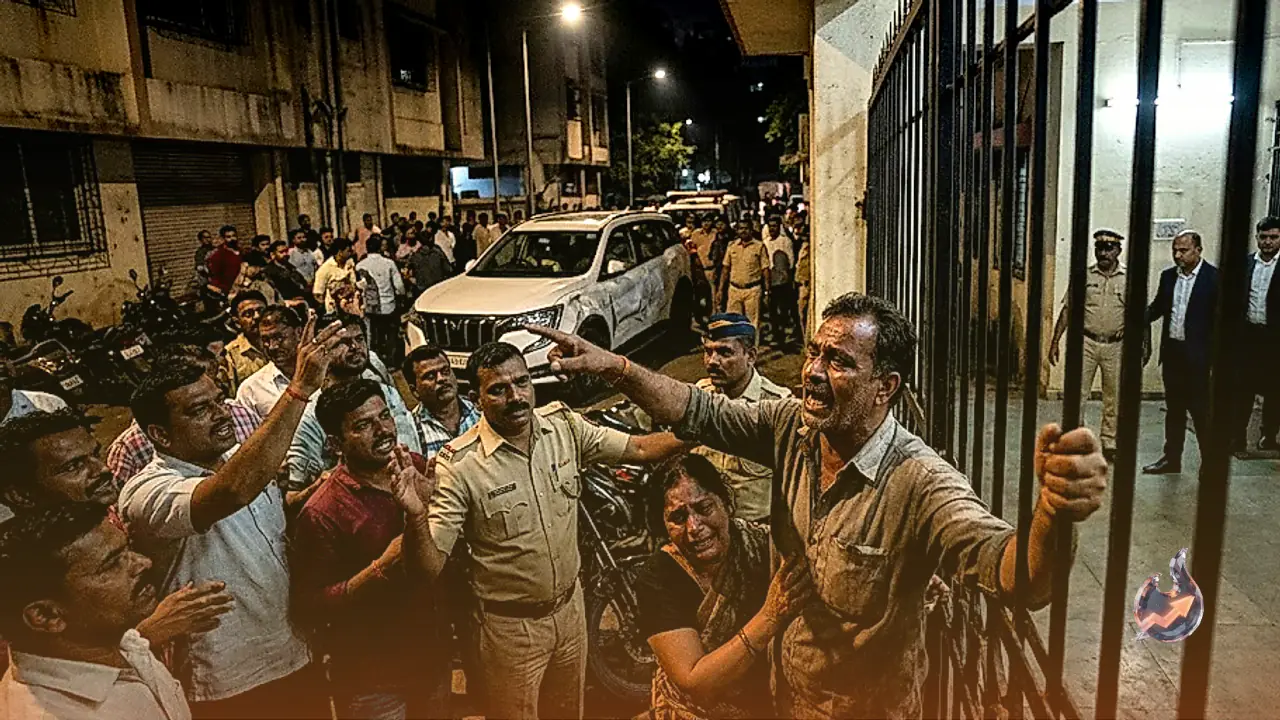






















Delhi Police has approached the Supreme Court with a formal plea to quash 13 FIRs registered in connection with demonstrations held at Jantar Mantar and surrounding areas between July 20 and July 25, 2026. The petition was filed on August 31, 2026, accompanied by an affidavit from Joint Commissioner of Delhi Police Ajay Krishna Sharma, asking the apex court to drop further proceedings in these specific cases.
Details of the Quashed Cases
According to the charts submitted alongside the application, the FIRs in question were filed across various local police stations on July 21, 22, 25, and 26. These matters involved serious charges such as rioting, attempted murder, and causing damage to public property, while one of the cases also included an allegation of robbery. The police stated that in light of a decision taken by the central government on July 25, 2026, they no longer wish to pursue further legal steps under these specific 13 FIRs.
Targeted Inquiry for Specified Individuals
Even while seeking the closure of the existing cases, the authorities have underlined the necessity to examine the conduct of a specific cohort. Police records from the National Crime Records Bureau indicate that 2,873 individuals with prior criminal backgrounds were flagged during the events. Consequently, the force has asked the Supreme Court for permission to file a fresh, distinct FIR directed solely at these 2,873 persons to ascertain whether any of them played a part in inciting violence or destroying public assets during the agitation.
Legal Basis and Scope of the Plea
The application invokes the special powers of the Supreme Court under Article 142 of the Constitution to achieve the termination of the 13 cases and secure the targeted probe. Furthermore, the authorities clarified that no additional FIRs will be initiated regarding the incidents covered in this plea, and if related matters emerge later, the force will not oppose similar relief sought by affected parties. The police also urged that the court's directives on this matter remain restricted to the unique facts of the current situation rather than serving as a general precedent.