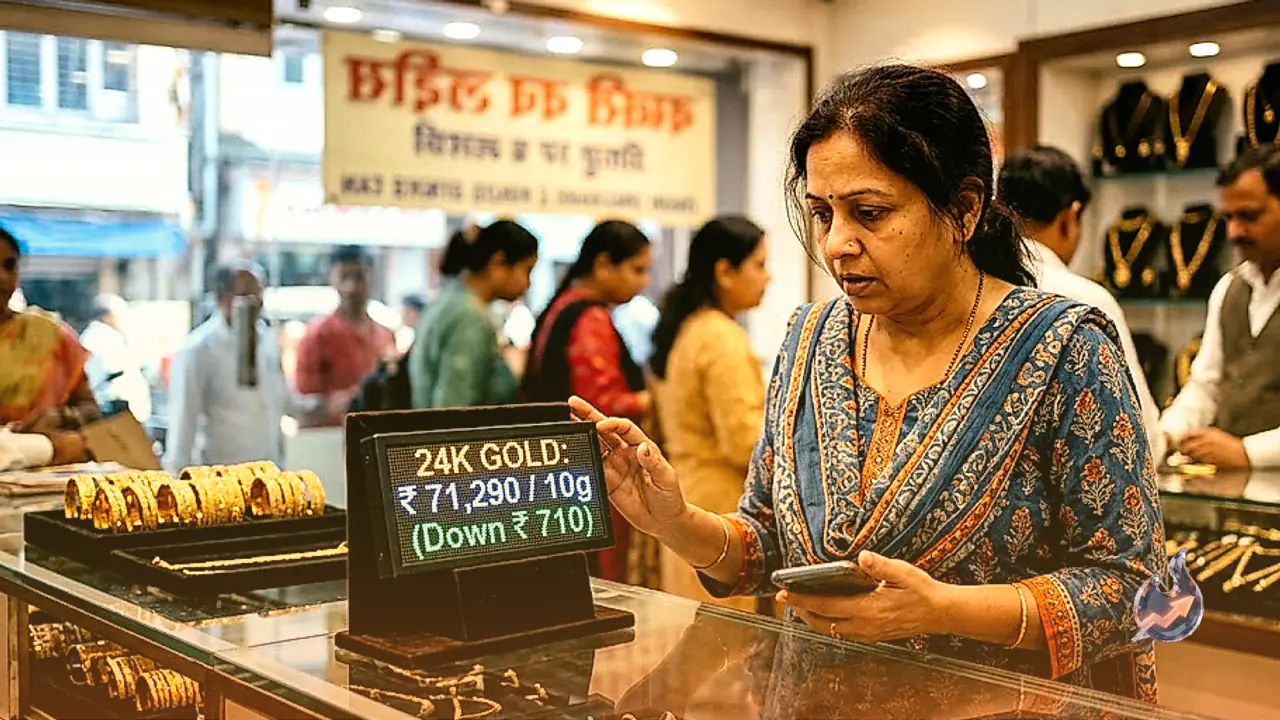























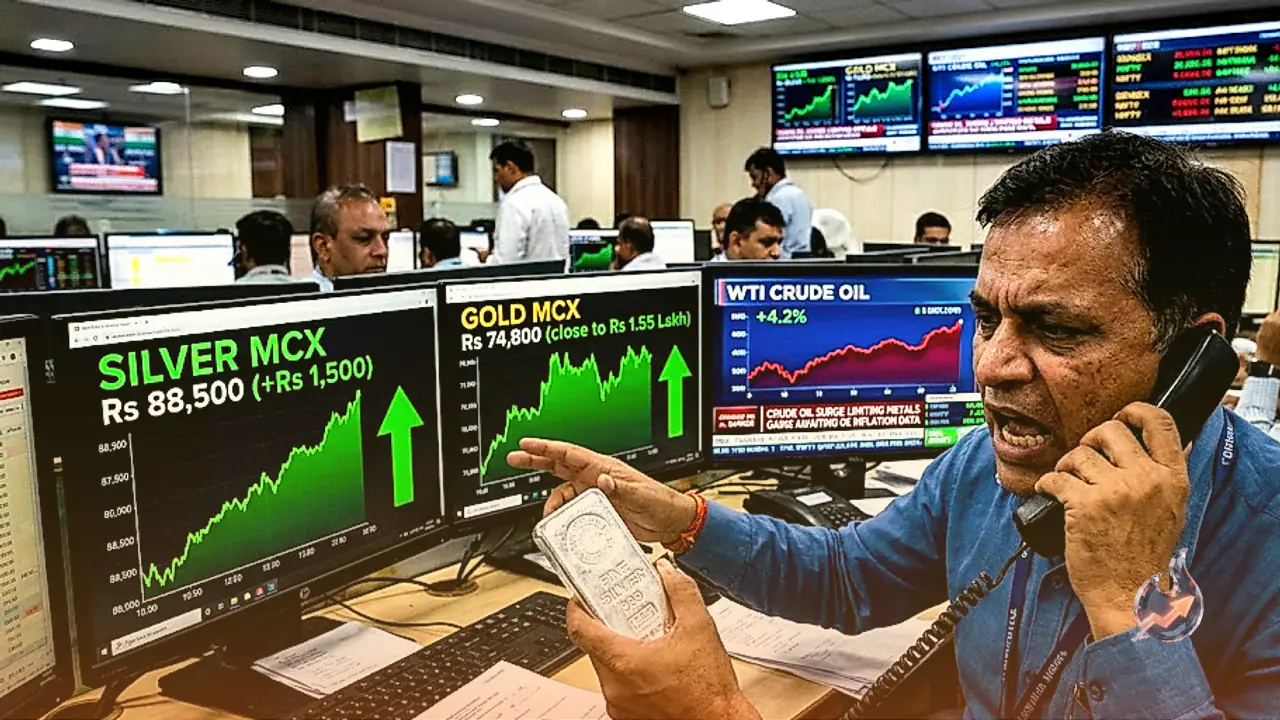

Silver charged higher and gold pushed toward a fresh milestone on the domestic futures market, with MCX gold trading close to Rs 1.55 lakh and silver climbing Rs 1,500 in a single session. Yet the rally has a ceiling for now, and the reason lies far from the bullion counter, in the energy market.
Why costlier oil is capping gold's advance
The main drag on further gains is a spike in crude oil prices. Both US WTI crude and Brent crude have risen 1% each, taking them near $84 a barrel and $90 a barrel respectively. Gasoline and natural gas prices have also moved up 1% each. Higher energy costs feed straight into inflation, and that changes the calculus for interest rates, which in turn shapes how much room gold has left to run.
All eyes on US inflation data
Investors are now waiting for the US CPI inflation reading due on Wednesday. The number is being watched closely because it will offer fresh clues about what the US Federal Reserve does with interest rates at its next policy meeting. For gold, which pays no interest of its own, the rate outlook is everything: higher rates make the metal less attractive, while the prospect of cuts tends to lift it.
A divided view on the Fed
Right now the market is split. After leaving rates unchanged in July, the Fed could raise them by 25 basis points in September, and the climb in oil prices is reinforcing that hawkish bias by keeping inflation worries alive. Traders are far from unanimous, and Wednesday's data could tip the balance one way or the other.
The Strait of Hormuz wild card
Geopolitics is adding another layer. Traders are weighing the chances of a US-Iran understanding that would reopen the Strait of Hormuz, a critical chokepoint for global oil shipments. Pakistan's defense minister said Washington and Tehran are "close to some sort of arrangement" over the strait. Separately, talks between Iran and Oman are said to have reached an advanced stage. Any easing here could cool oil prices and reshape the outlook for both crude and gold.
Central banks, led by China, keep buying
Underpinning gold is steady demand from investors and, crucially, from central banks. China has been a standout buyer. Its central bank added about 20 tons to its reserves in July after picking up around 15 tons in June. That July purchase marks the largest monthly increase since October 2023, a sign that official buyers see enduring value in the metal even at elevated prices.