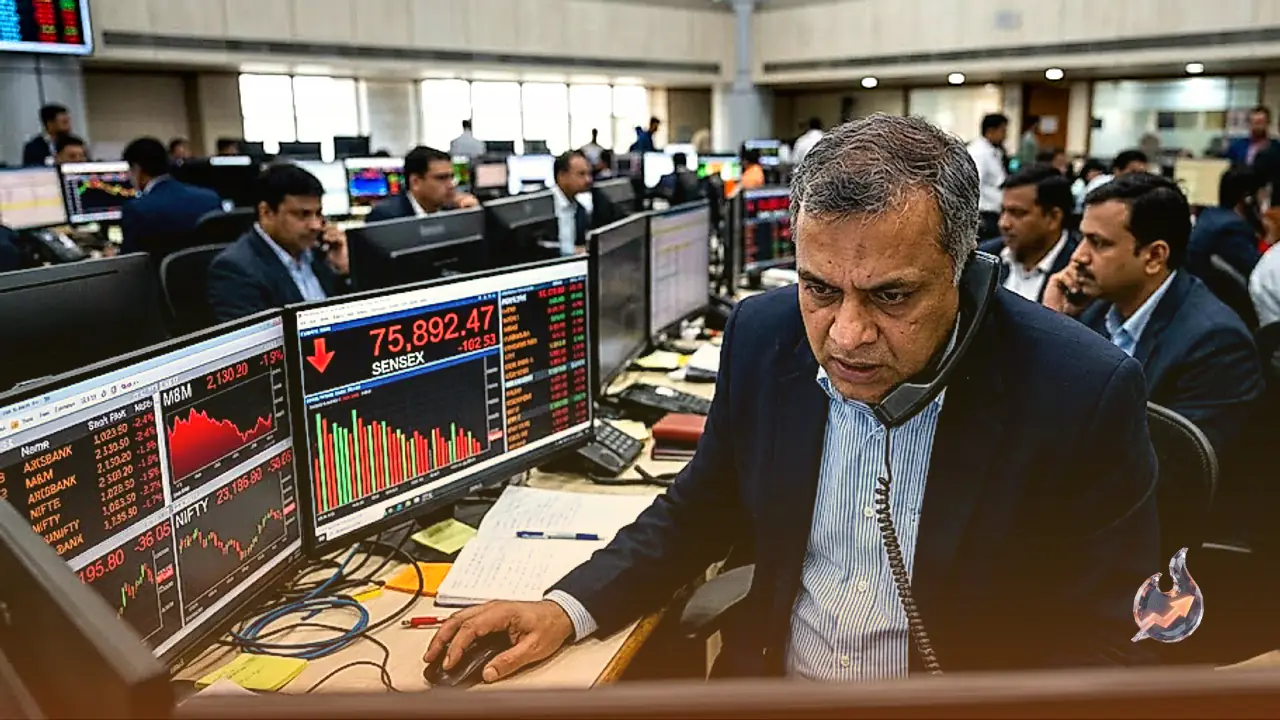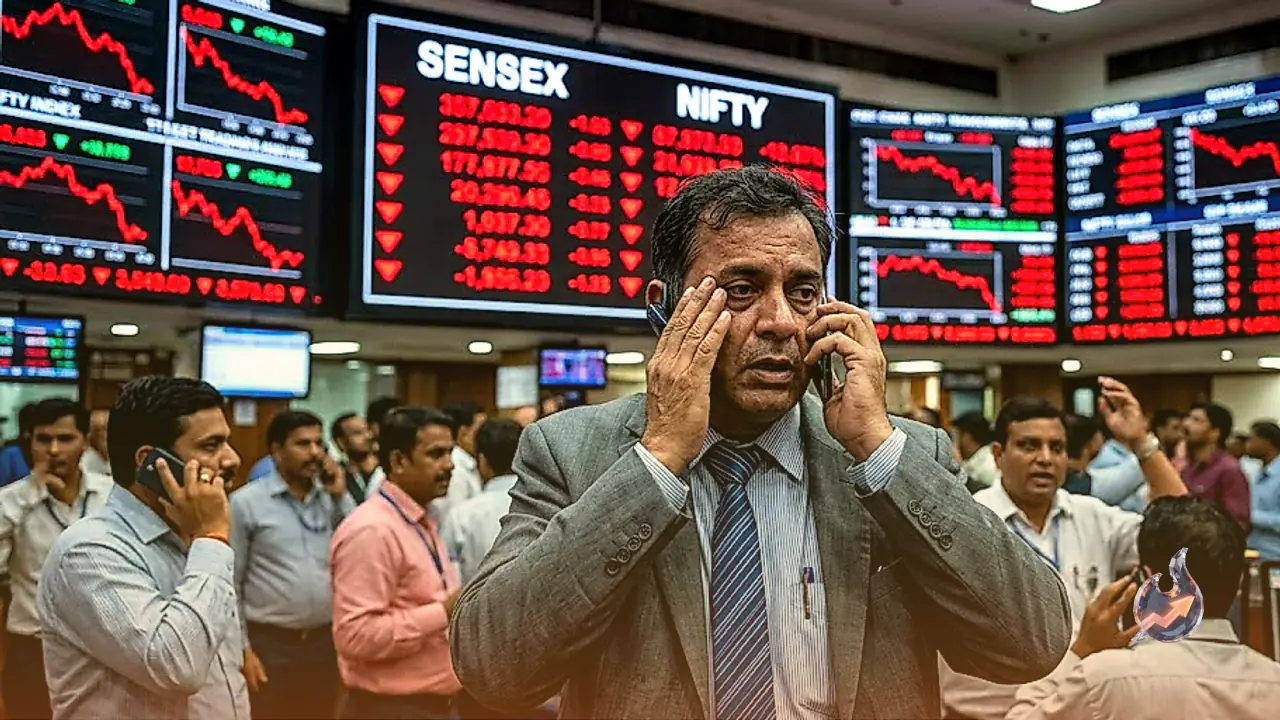
























Financial markets are bracing for the upcoming policy announcement from the South African Reserve Bank, where policymakers face a delicate balancing act between cooling domestic expansion and persistent price pressures. Currency analysts anticipate a 25 basis point increase in the benchmark interest rate, marking a decisive shift after the central bank surprised investors by holding rates steady during its previous monetary gathering. Preserving foreign exchange stability will require not only higher borrowing costs but also a resolute policy message from leadership to support the South African Rand.
Economic Deceleration Meets Stubborn Inflation in South Africa
Volkmar Baur, foreign exchange strategist at Commerzbank, highlights that underlying economic conditions have evolved considerably since earlier policy sessions. Economic growth in South Africa has moderated more sharply than initially projected, largely weighed down by broader regional geopolitical conflicts. Despite this decelerating momentum, consumer price dynamics remain elevated across domestic supply chains, driven primarily by fuel expenses and essential food items.
When policymakers last gathered on July 23, prevailing market consensus had firmly anticipated a rate increase, yet the South African Reserve Bank opted to maintain borrowing costs unchanged. Heading into Wednesday's meeting, market participants have once again fully priced in a 25 basis point adjustment. The macroeconomic imperative to act has become significantly stronger, as lingering inflation risks leave little room for policy accommodation.
Inflation Targets and Fuel Cost Dynamics
Official consumer price statistics for August are slated for release on Wednesday, with projections indicating a continued upward trajectory in headline inflation. Rising energy costs represent a principal driver, as retail gas prices are projected to account for approximately 0.8 percentage points of the annual headline inflation figure alone. This inflationary pressure could intensify further into September depending on international crude oil developments.
Core inflation provides an equally concerning signal for monetary authorities, with forecasts projecting a reading around 4.2%. The central bank operates under an explicit inflation target of 3%, framed by a tolerance corridor of one percentage point above and below that central benchmark. With core measures hovering outside this preferred band, failure to accompany a rate increase with a firm, hawkish statement could prompt sharp selling pressure on the South African Rand across international currency desks.
G10 Currency Crosses React to RBA, Fed, and BoJ Policy Shifts
Foreign exchange markets saw divergent movements across major currency pairs on Tuesday. AUD/USD advanced above 0.7100 during Asian trading hours, buoyed by hawkish communications from Reserve Bank of Australia Assistant Governor Sarah Hunter alongside Governor Michele Bullock. Nevertheless, upward momentum for the pair encountered resistance from persistent US Dollar strength, supported by the Federal Reserve's hawkish policy outlook and simmering Middle East tensions. Market participants are also maintaining focus on the upcoming summit between Donald Trump and Xi Jinping later in the week.
In Tokyo trading, USD/JPY held around 157.50 with minor gains, as concerns over potential official currency intervention helped cap steeper losses for the Japanese Yen. The Bank of Japan recently lifted its short-term interest rate target from 1.00% to 1.25% in a 7-2 vote, marking an expected step toward policy normalisation and taking rates to a 31-year high. However, perceived dovishness in the central bank's broader narrative left Yen bulls hesitant, allowing the US Dollar to retain its broader bullish trajectory.
Gold Softens on Yield Pressures While Bitcoin Pauses After Rally
Commodities reflected shifting global risk sentiment as spot gold prices slipped for a second consecutive session. After brief intraday gains, the yellow metal retreated toward the $4,315 mark during European hours, touching a three-day low. Capital flows away from zero-yielding bullion have been reinforced by expectations that the US Federal Reserve will keep policy settings restrictive.
In cryptocurrency markets, Bitcoin entered a brief consolidation phase below $85,500 on Tuesday following a rapid 6.7% advance in the prior session. Underlying institutional demand remains robust, highlighted by spot Bitcoin Exchange Traded Funds drawing nearly $1 billion in net inflows on Monday, while Strategy expanded its corporate balance sheet by purchasing an additional 950 BTC.