























Trading across global currency desks showed a notable shift on Thursday as the US Dollar interrupted its aggressive, post-Federal Reserve surge. The greenback had previously climbed to a seven-week peak, tracking its strongest levels since late July following the latest monetary tightening in Washington. However, with the Bank of Japan preparing to unveil its policy update on Friday, market participants adopted a wait-and-see stance, allowing competing currencies space to recover. In overall currency comparisons, the US Dollar maintained its firmest footing against the British Pound, even while consolidating against other major peers during Asian trading hours.
Japanese Yen Firms as Bank of Japan Decision Looms
In the Asian session, USD/JPY moved to reverse a brief dip beneath the 156.00 threshold, attempting to halt a three-day advance that had driven the pair to a near two-week high a day earlier. The cooling of the dollar rally coincided with growing expectations that Japanese monetary authorities are set to advance their policy normalization agenda. Speculation that the Bank of Japan could tighten policy conditions once more this week offered fresh backing to the Japanese Yen, effectively capping further upside momentum in the currency pair as Friday's announcement approaches.
For more than ten years, Japan stood as a global outlier by anchoring interest rates at ultra-low levels while central banks across the rest of the world embarked on steep rate-hiking cycles. That ultra-loose framework helped finance trillions of dollars in overseas investments, turning the Japanese Yen into one of the cheapest and most dependable funding vehicles in international finance. With market pricing leaning toward a tighter stance from Tokyo, that multi-year funding advantage appears to be crossing into a distinct new phase. Traders are now watching closely to see how far the Bank of Japan will go in normalizing borrowing costs and reshaping cross-border capital flows.
Federal Reserve Hike and Bank of England Hawkish Hold
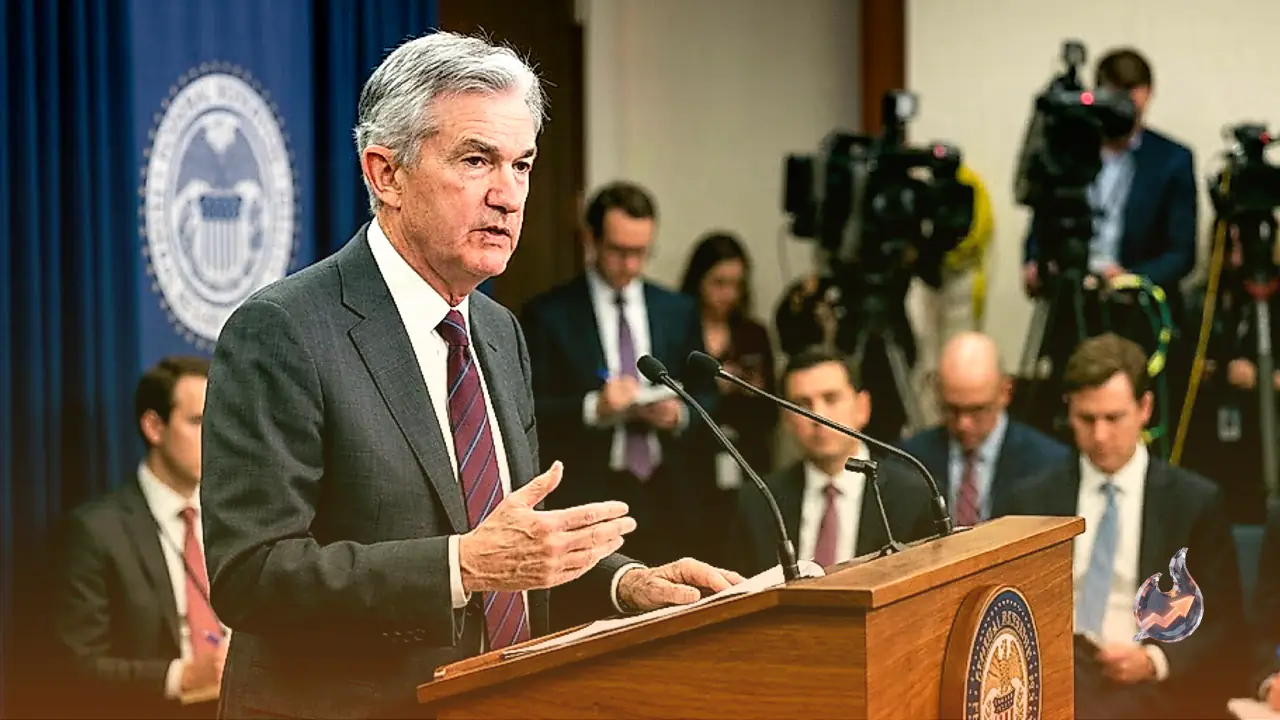
The pause in the greenback follows an explicitly restrictive posture delivered by the Federal Reserve. US policymakers decided unanimously to lift the Fed Fund Target Range by 25 basis points, shifting the policy band to 3.75%-4.00%. In their accompanying message, rate setters stressed that the rate hike was necessary to secure a more timely return to the central bank's 2% target for consumer inflation. That resolute policy signal had provided the bedrock for the dollar's multi-week ascent before this week's consolidation.
Across the Atlantic, the Bank of England opted to maintain its benchmark Bank Rate at 3.75%, leaving rates unchanged during its latest review. Despite holding borrowing costs steady, policymakers accompanied the decision with a stern, hawkish warning. Officials highlighted that the outlook for inflation in the United Kingdom had deteriorated significantly, generating unease about future cost pressures. This sharp worsening in price prospects dampened confidence in sterling, leaving the British Pound particularly soft against the US Dollar across broader currency pairings.
Australian Dollar Reclaims Ground on Risk Appetite
The Australian Dollar staged a firm intraday recovery, enabling AUD/USD to draw in fresh demand and push back above the 0.7100 mark during Asian trading on Thursday. Beyond benefiting from the softer greenback, the currency received a double tailwind. Domestic traders continued to price in the possibility of further rate hikes from the Reserve Bank of Australia, while international sentiment improved on optimistic signs regarding diplomatic discussions between the United States and Iran. Because the Australian Dollar is heavily tuned to broader economic risk sentiment, the combination of domestic tightening expectations and geopolitical hopes catalyzed renewed buying interest.
Gold Surges toward Key Resistance while Crude Holds Steady
Commodity markets mirrored the changing dynamics in the foreign exchange sphere. Gold prices jumped sharply on Thursday to notch fresh weekly highs, snapping a consecutive run of three daily losses. The precious metal encountered technical resistance as it approached the $4,400 per troy ounce territory. Gold's recovery was propelled by both the modest retreat in the greenback and softer sentiment across the petroleum complex.
Meanwhile, West Texas Intermediate crude oil stabilized following its recent retreat, maintaining a position above the key $100.00 per barrel benchmark. The ability of WTI crude to hold the line above triple digits offered a floor to broader energy markets as traders balanced shifting monetary policies against geopolitical developments heading into the final sessions of the week.