





















A high-stakes corporate governance battle has erupted at the summit of the Tata Group after majority owner Tata Trusts openly contested the decision by the Tata Sons board to award executive chairman N Chandrasekaran an additional five-year tenure. The confrontation unfolds at a particularly delicate juncture for the conglomerate, which simultaneously faces regulatory pressure from the Reserve Bank of India to execute an initial public offering after the central bank turned down its bid to exit the core investment company regulatory perimeter.
Tata Trusts Deems Board Resolution Legally Void
Representing the philanthropic institutions that control roughly 66 percent of Tata Sons, Tata Trusts issued a direct legal challenge against the board's extension resolution, declaring it a legal nullity. The trust entities argued that the board's action circumvented and violated governance safeguards embedded within the holding company's Articles of Association. This formal opposition from the principal shareholder strips the reappointment of its consensus and sets up a serious constitutional test inside Bombay House.
The Background of Voluntary Exit and Succession Steps
The controversy stems from a sudden reversal in leadership planning. Chandrasekaran's current term as chairman of the holding company is slated to run through February 20, 2027. However, the senior executive had earlier stated his clear intention not to seek another tenure at the helm. He formally communicated this position to the Tata Sons board on August 12, signaling that he would step down upon completing his active term.
Tata Trusts responded promptly to that communication, accepting his decision on August 13 and formally recommending that Tata Sons set up a dedicated Selection Committee to find a qualified successor. The Trusts has insisted that Chandrasekaran's initial decision was voluntary, unambiguous, and carried finality. Reversing course and pushing through a reappointment resolution without following standard succession protocols risks generating operational uncertainty among company personnel, lending institutions, commercial partners, and wider market stakeholders.
Noel Tata Votes Against the Motion
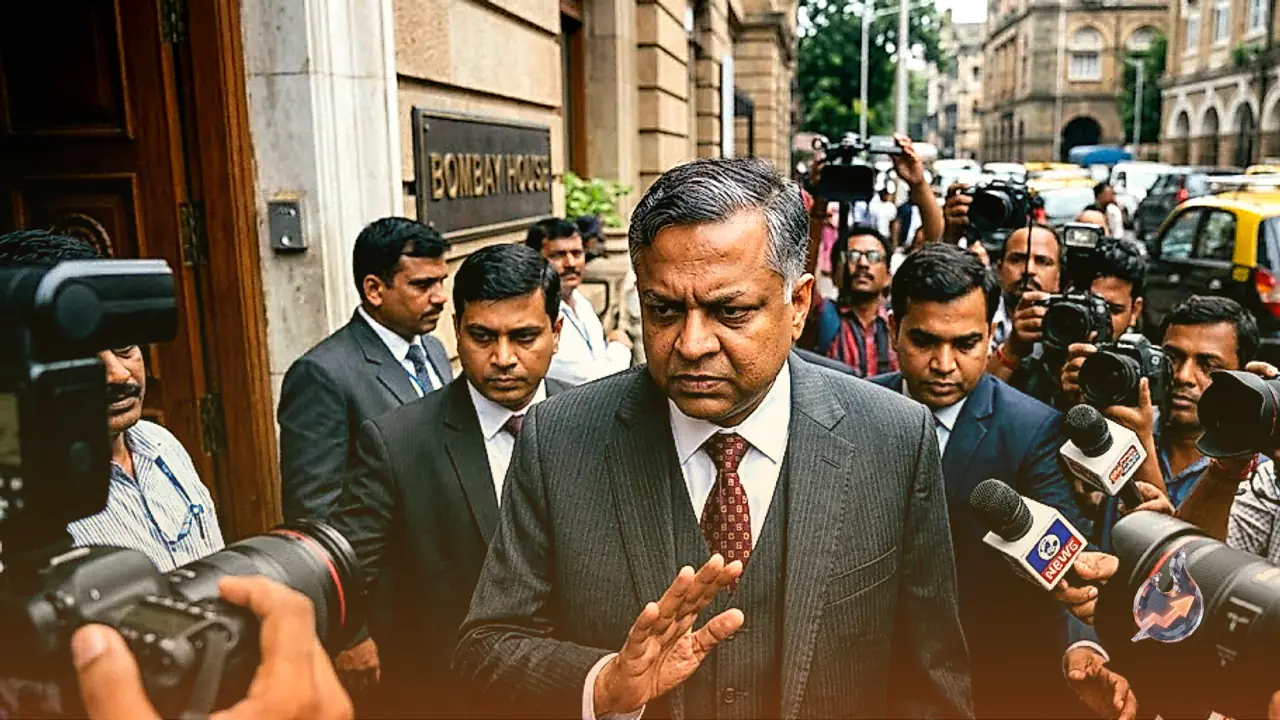
The rift widened into a formal boardroom division during the vote on Chandrasekaran's reappointment. Noel Tata, who serves as chairman of Tata Trusts and acts as a nominee director on the Tata Sons board, cast his vote firmly against the reappointment proposal. Following this dissenting vote, Tata Trusts asserted that the decision lacked legal standing, terming the resulting resolution legally void and without any basis. This fundamental clash over corporate bylaws now forms the crux of the institutional standoff between the trust shareholders and the operating board.
RBI Stance Revives Pressure for Stock Market Listing
Compounding the internal leadership discord is an external regulatory deadline that brings the conglomerate closer to the equity markets. The Reserve Bank of India recently turned down an application filed by Tata Sons seeking to surrender its registration as a core investment company. The banking regulator had categorized Tata Sons as an upper-layer non-banking financial company back in 2022, a classification that brings strict mandatory compliance requirements.
Under the RBI framework, entities placed in the upper-layer NBFC category are obligated to list their equity shares on stock exchanges within three years of being identified. For Tata Sons, that compliance window lapsed in September 2025 while its plea for regulatory relief and de-registration remained pending before the central bank.
Extensive Debt Repayment and Wider Group Implications
In a determined push to sidestep the compulsory public listing requirement, Tata Sons had aggressively restructured its balance sheet, repaying over Rs 21,000 crore of debt. The company sought to eliminate external borrowing liabilities so it could argue that it no longer warranted regulation as a systemic investment vehicle. However, with the central bank refusing to grant exemptions, the prospect of an initial public offering has returned to the forefront of financial discussions.
The dual developments carry immense weight across financial markets because Tata Sons serves as the ultimate promoter and parent entity of a sprawling commercial empire. Its corporate stable features some of the country's most heavily capitalized publicly traded corporations, including Tata Consultancy Services, Tata Motors, and Tata Steel. Any prolonged governance dispute between the principal trustees and the board, combined with an impending public listing mandate, represents a pivotal milestone for the entire group.