






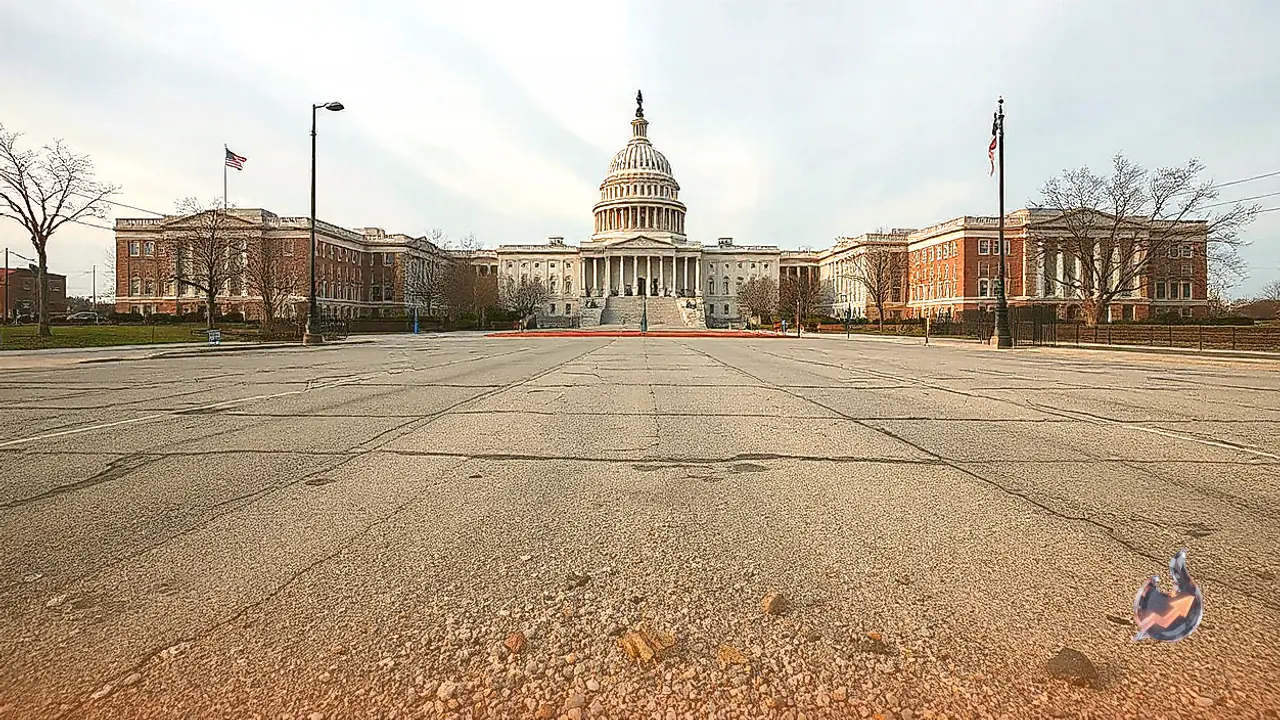


















Global currency markets experienced an immediate reaction to early US midterm election results, which triggered notable volatility across major currency pairs and asset classes. As early vote tallies pointed to a Democrat sweep across both chambers of Congress, heightened political uncertainty initially pushed the US Dollar and Nasdaq futures lower before both began trimming their early losses. The prospect of Washington gridlock and shifts in government spending expectations quickly reverberated through sovereign debt markets and foreign exchange desks worldwide.
Fiscal Restraint and Long-Term Greenback Stability
Jane Foley, Senior FX Strategist at Rabobank, noted that market participants had anticipated that Democratic control of Congress would translate into fewer fiscal giveaways and subsequently curb inflationary pressures. A lower inflation outlook naturally implies declining yields on US Treasuries, a dynamic that typically exerts downward pressure on the greenback in the near term. The US Dollar Index, however, soon began paring portions of those early declines as investors digested the broader implications.
Foley emphasized that ever since Trump's tariff announcement in April 2025, financial markets have periodically debated whether the US Treasury market is approaching the loss of its exorbitant privilege. Over the past year and a half, sporadic discussions regarding potential dollar debasement have surfaced across financial circles. Foley explained that adopting a more prudent budgetary approach directly counters these lingering concerns, suggesting that the initial knee-jerk conclusion that post-election fiscal discipline is outright harmful to the currency can be legitimately challenged. While greater fiscal prudence poses short-term headwinds for the currency, it is ultimately poised to strengthen the greenback's fundamental credibility and reinforce its position as a reliable safe haven over an extended horizon.
Currency Markets React to Political Gridlock
The US Dollar Index, which gauges the greenback against a basket of influential global currencies, encountered severe selling pressure during Wednesday's Asian trading session. The gauge plummeted to its weakest valuation since late September as election uncertainty dominated market sentiment. The retreat was accelerated by falling bond yields, which counterbalanced earlier expectations surrounding Federal Reserve policy trajectory.
In the broader foreign exchange sphere, AUD/USD remained steady above a two-week low, hovering near 0.6965 during Asian trading hours on Wednesday. The declining yields in the US sovereign debt market offset expectations of Federal Reserve rate hikes, creating a continuous headwind for the American currency. Nevertheless, upward momentum for the Australian Dollar was kept in check because the Reserve Bank of Australia adopted a comparatively less hawkish monetary stance.
Dollar Slides Against Yen as Gold Tops Key Levels
The Japanese Yen recorded significant strength against the greenback, with USD/JPY coming under heavy selling pressure on Wednesday. The pair breached below 158.00 in Asian dealings as the US Dollar slumped to a one-month trough. Investors seeking refuge from political ambiguities redirected capital into traditional havens, causing a fresh drop in US bond yields and compounding the downward momentum on the dollar.
Meanwhile, precious metals capitalized on the greenback's retreat. Gold maintained strong intraday advances near its weekly high, trading comfortably above the major psychological threshold of $4,000 during the early European session. Democratic victories across the House and Senate renewed expectations of policy gridlock in Washington, steering capital toward protective assets and depressing Treasury yields, an environment that provided clear support for bullion while keeping the dollar subdued.