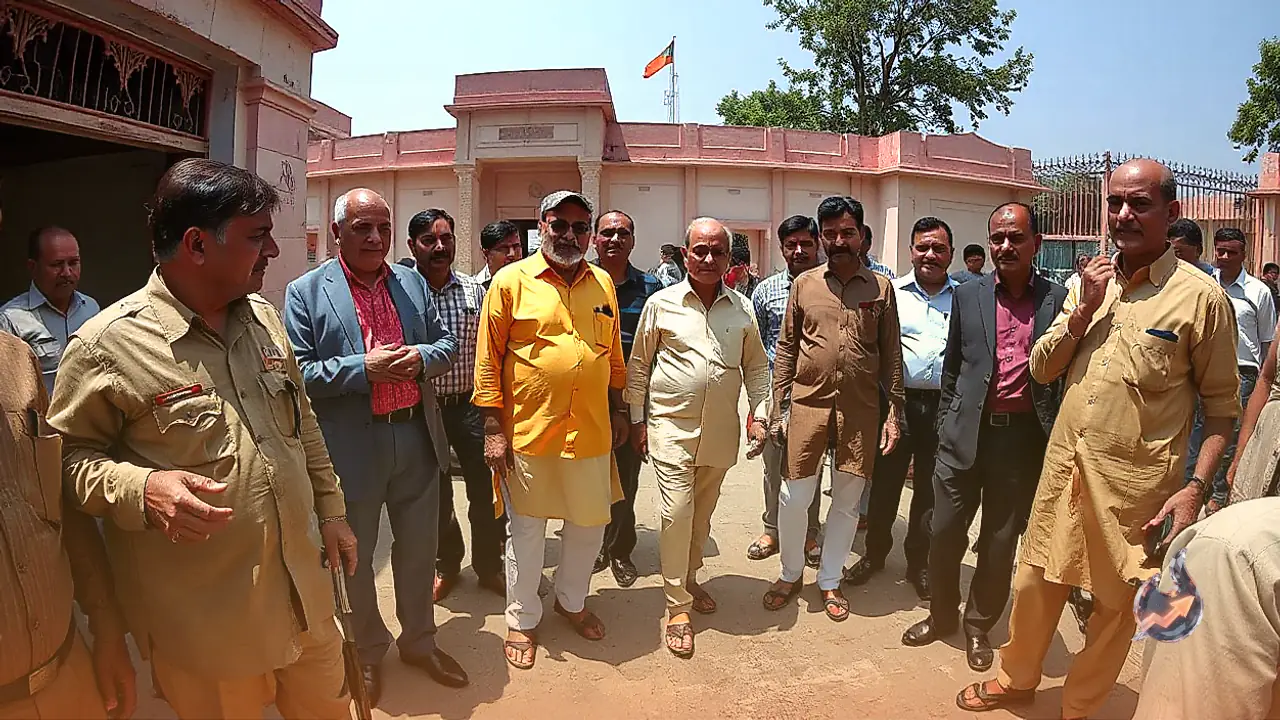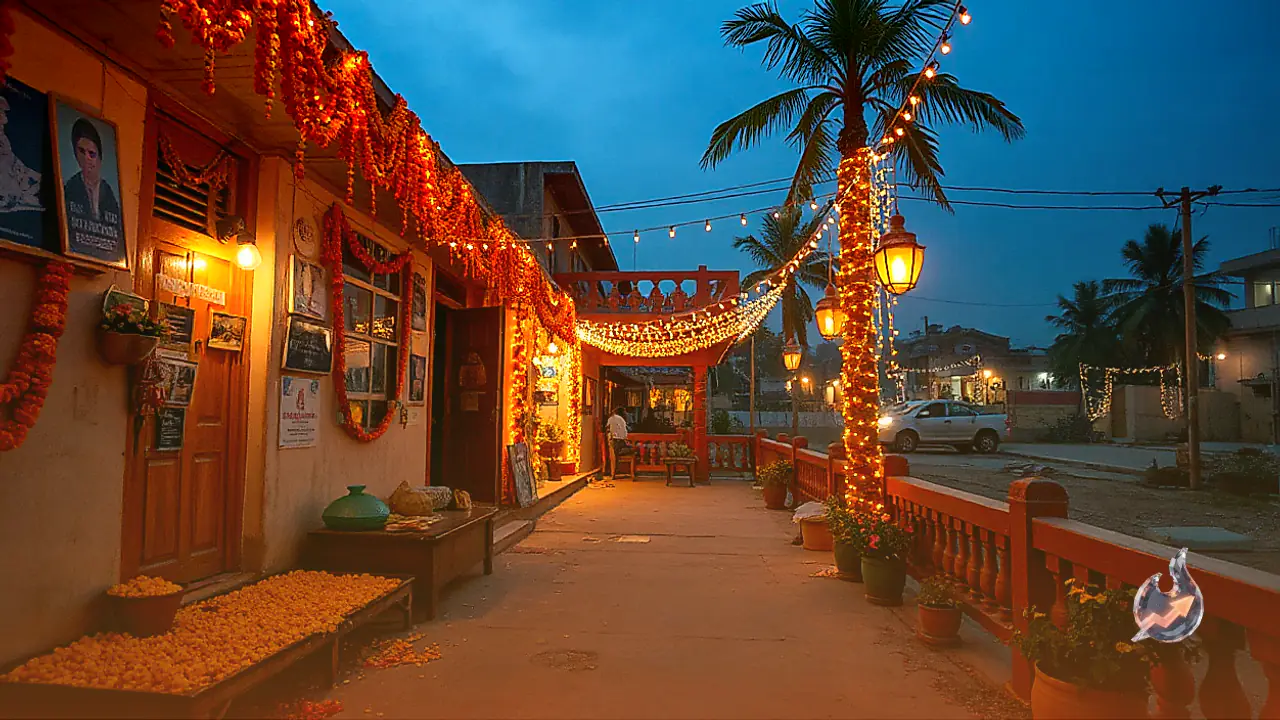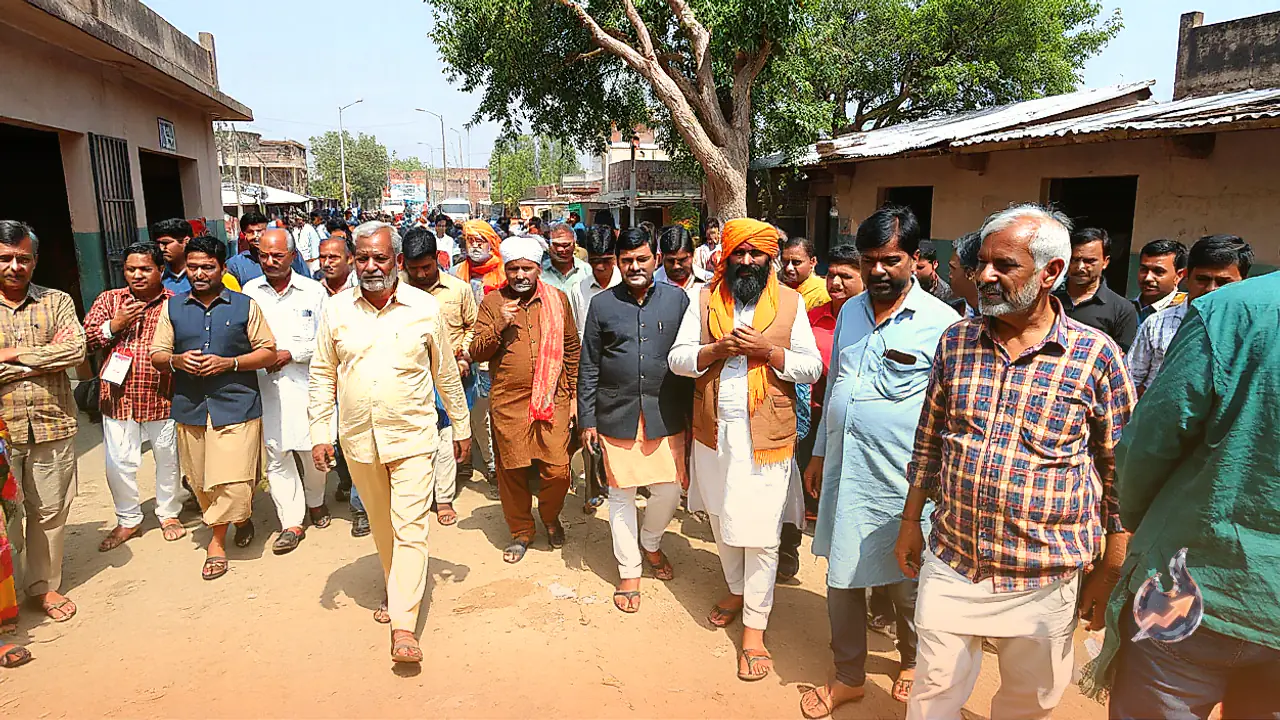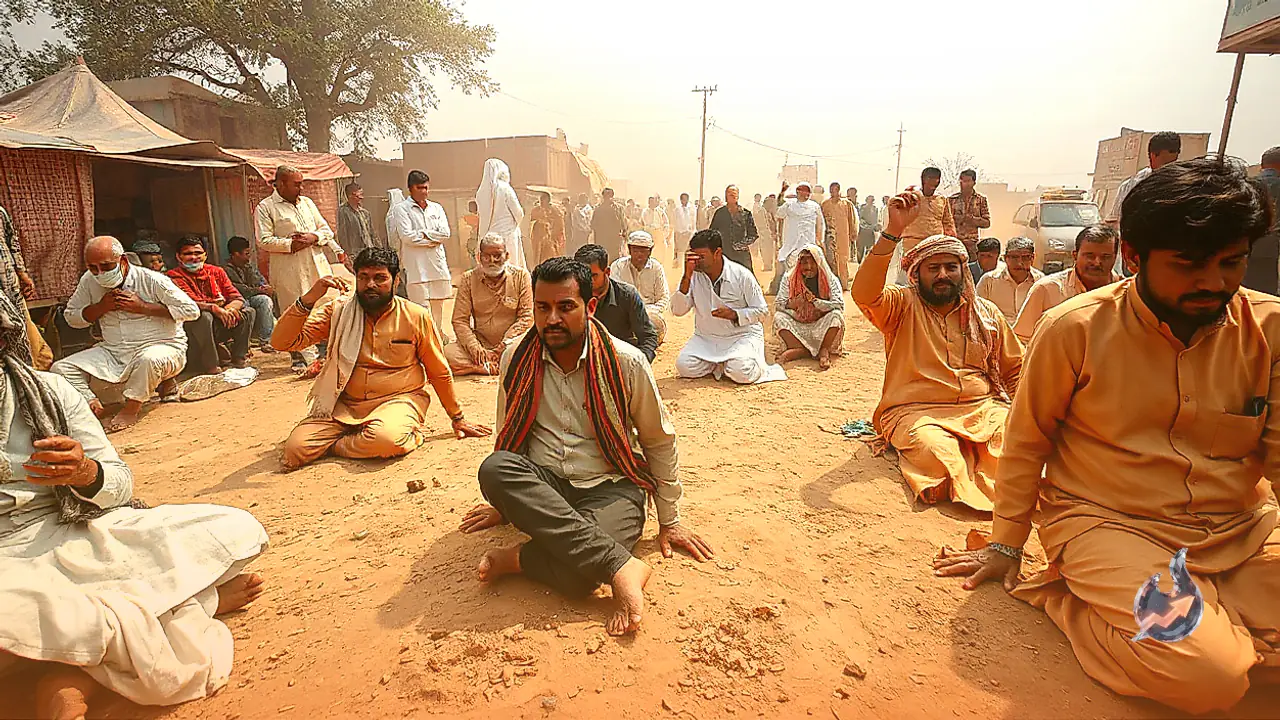
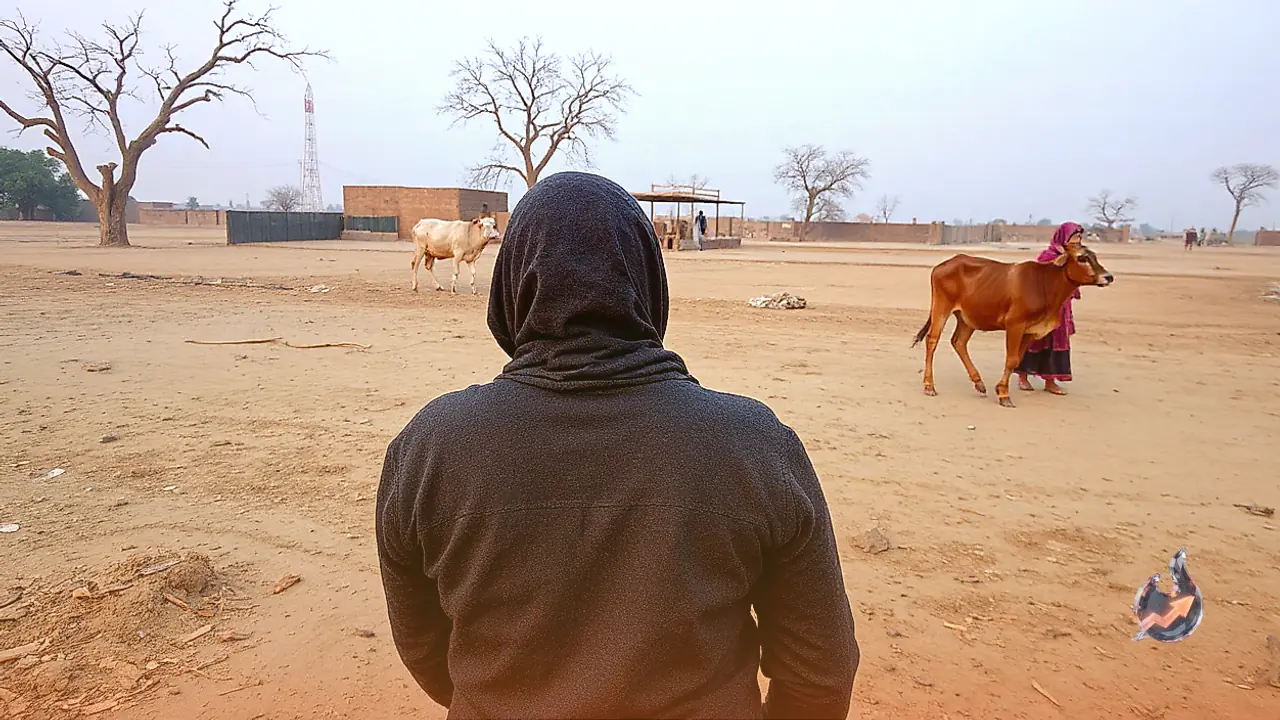















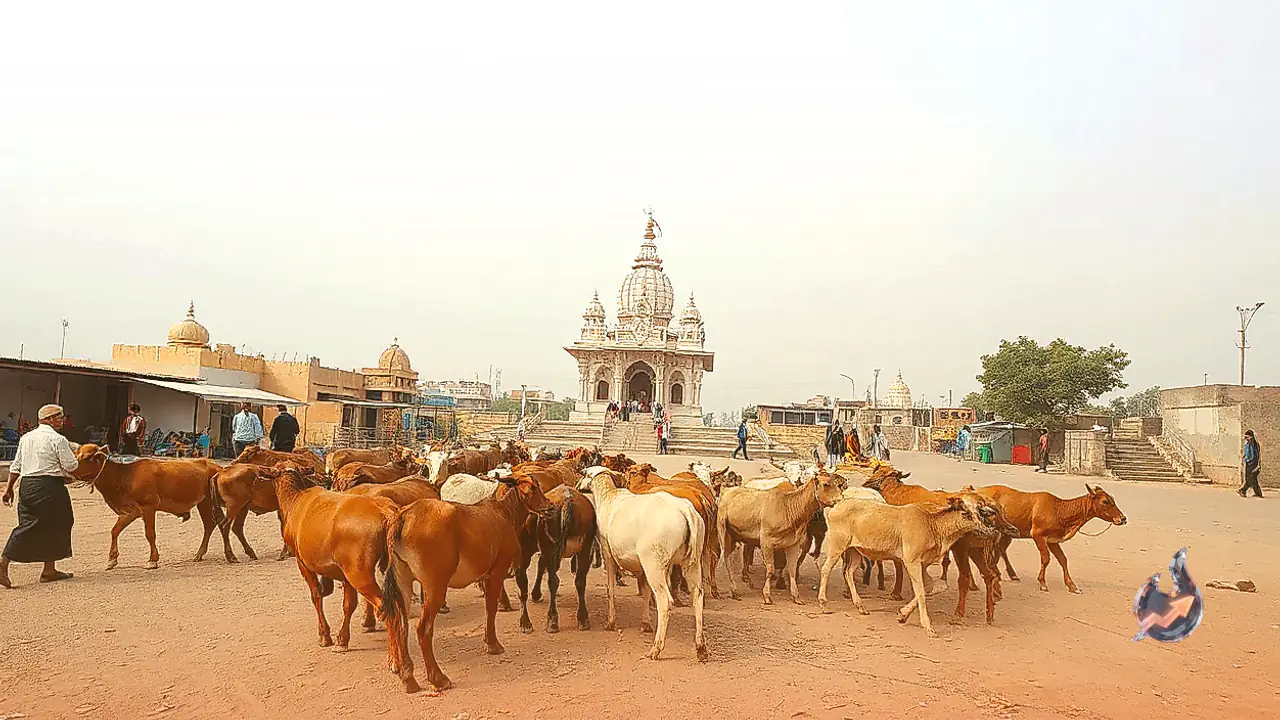

Situated in the Khinvasar village of Rajasthan's Jhunjhunu district, the Ubli Balaji temple stands out for a distinctive tradition that deviates sharply from customary temple offerings. While Hindu places of worship conventionally offer sweets, laddoos, or pedas to Lord Hanuman, this historic shrine strictly bars all kinds of confectionery and cooked delicacies from the sanctum. Instead, devotees present an offering of fresh curd prepared exclusively from the very first milk produced by a newly calved cow or buffalo. Rural communities hold a steadfast belief that presenting this initial milk in the form of curd to Balaji shields their domestic cattle from seasonal afflictions and lethal diseases. Driven by this deeply rooted faith, livestock owners and devotees travel to the shrine throughout the year, not only from across Rajasthan but also in large numbers from neighbouring Haryana.
Centuries-Old Shrine Anchors the Village Economy
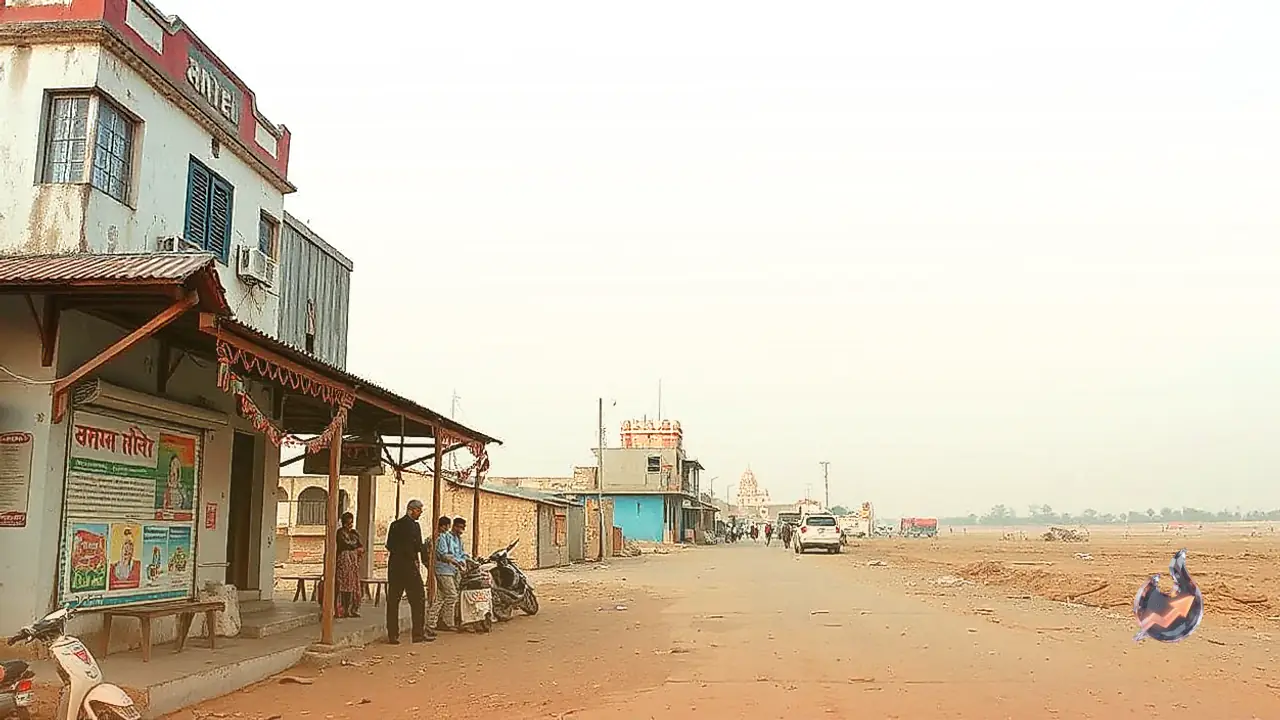
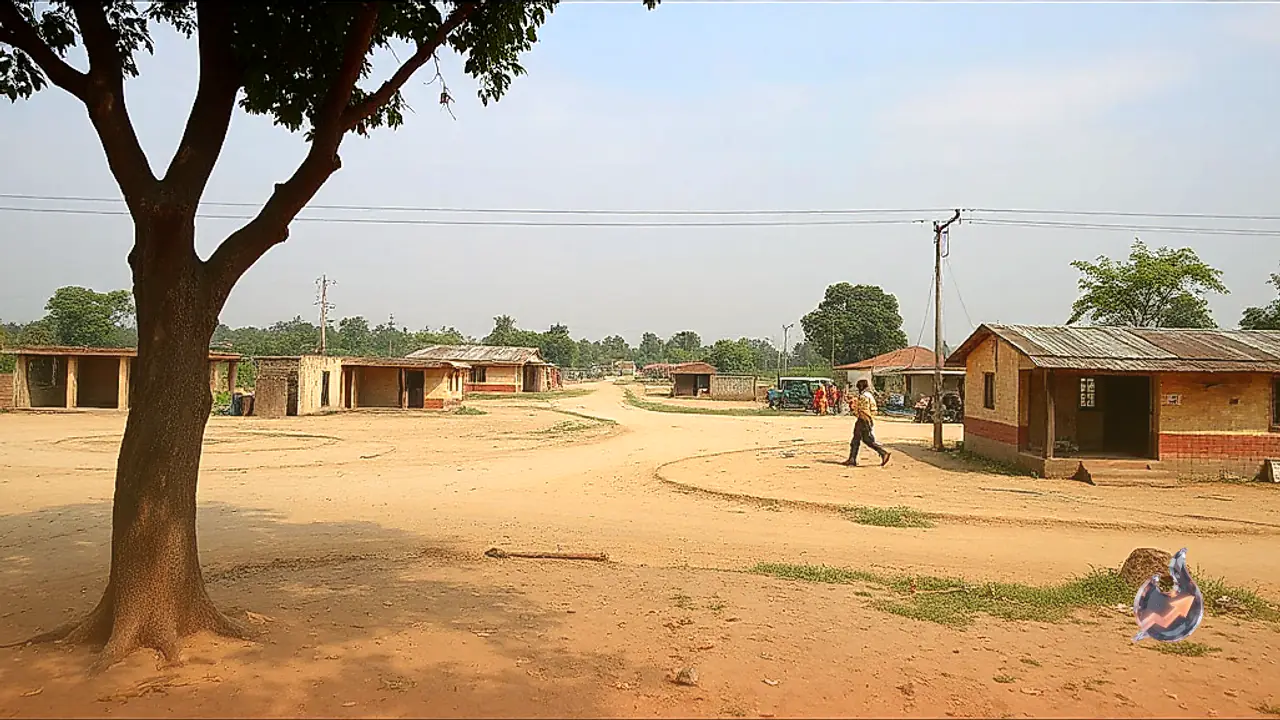
According to temple priest Pradeep, the sacred shrine dates back roughly 150 to 200 years, and the sacred ritual of offering curd prepared from first-batch milk has continued unbroken through multiple generations. The religious reverence for the deity is so profound that the village's principal commercial junction has come to be named Balaji Stand. While Khinvasar's administrative seat lies within the residential settlement, Balaji Stand serves as the actual nucleus for daily business. The junction accommodates a vibrant grain market, local banking services, general retail outlets, a primary cooperative credit society, and a government upper primary school running up to class eight. Residents of adjoining villages, including Bajawa, Rawatka, Chhavsari, and Chhau, routinely depend on Balaji Stand for selling farm harvest, personal procurement, and essential transactions. The local security post is officially designated as the Balaji Stand Khinvasar police checkpost, turning the highway-linked hub into an indispensable focal point of trade for surrounding rural pockets.
Historical Origins of Khinvasar and Land Donation for Public Infrastructure
The settlement of Khinvasar itself possesses a history spanning approximately 300 years. The village was founded by Khinwaram Jat of the Moond clan, who migrated to the region from Piprali, giving the newly settled habitation its enduring name. For decades, Khinvasar remained an administrative wing under the Chhau gram panchayat. A major administrative restructuring took place in the year 2020 when Khinvasar was carved out, along with the revenue village of Jhajhadiya Ki Dhani, to form a separate and independent gram panchayat. Following this transition, Bimla Devi was elected as the village's very first woman sarpanch. Right after assuming office, she made a notable public welfare contribution by donating two bighas of land to build the official panchayat office building, setting an early precedent for rural infrastructure development.
Consecrated Curd Stays on Temple Grounds
Temple mahant Jagdish Prasad Sharma points out a stringent ritual discipline observed by every visiting pilgrim. Once the freshly churned curd derived from the initial post-calving milk is offered to Balaji, none of the consecrated offering is allowed to be carried back to the devotees' personal residences. Following the conclusion of prayers, whatever quantity of the holy curd remains in the vessel must be distributed completely among the assembled devotees, visitors, and fellow villagers on the temple grounds itself. Pilgrims also follow the practice of offering coconuts and tying auspicious red pennants within the sanctum, placing vows for prosperity, fulfilment of desires, and the lifelong well-being of their livestock.
Administrative Absence Lingers Five Years After Panchayat Status
Even though five years have elapsed since Khinvasar gained independent panchayat status, residents continue to confront the absence of fundamental governance offices. The village currently lacks an agriculture department outreach centre as well as a designated patwar revenue office. Local farmers seeking technical guidance on seeds, fertilizers, or routine land-record documentation must travel seven to eight kilometres to Chhau. This routine commute imposes a regular drain on the farmers' time and household expenses. Villagers emphasize that having received formal recognition as a gram panchayat headquarters, administrative agencies and field personnel should be permanently stationed within Khinvasar to resolve local issues on site.
Schooling Constraints Restrict Rural Students
The educational infrastructure in Khinvasar faces similar limitations. The local government school currently provides education only up to the eighth standard. After completing middle school, local students are left with no choice but to either register in costly private academies or travel outside the village every day to attend government secondary schools in Chhavsari and Badagaon. Local residents have repeatedly appealed to educational authorities to elevate the current institution to a full-fledged government senior secondary school, ensuring that boys and girls can finish higher secondary schooling without enduring arduous daily travel to adjacent hamlets.