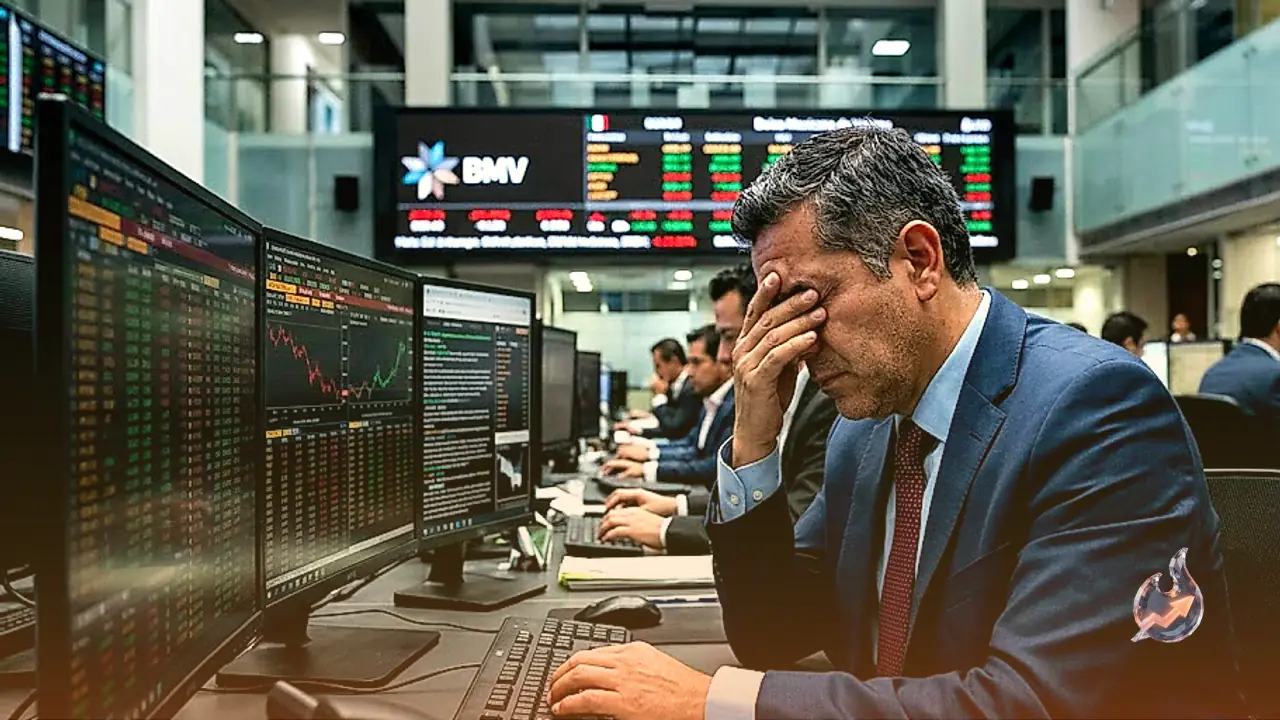

























The reason behind the ongoing decline in Amazon's stock price has become a central point of debate for market participants, and it largely centers on a single major figure: a $200 billion capital expenditure plan for 2026. This announcement has unsettled investors, even as the company continues to see growth in both revenue and profit. With shares dropping 13% over the past month and slipping into correction territory, the primary question for many remains whether now is an opportune time to buy Amazon stock. This analysis examines the factors behind the pullback, explores the forecasts for the stock, and considers where the share price might head next.
Amazon Stock Forecast, Analysis & Buy Now Outlook Explained
Amazon has seldom been a stock that investors worry about, yet both its retail and cloud divisions have recently given some reason for caution. Much of the unease stems from expenditure concerns, as a pledge of approximately $200 billion toward capital spending this year has rattled shareholders, despite the company holding $143 billion in liquidity on its balance sheet. This combination has contributed to Amazon becoming the worst performer among the Magnificent Seven, which explains why its stock continues to decline while the broader market maintains its footing.
Valuation metrics have also adjusted downward. The price-to-earnings ratio is currently hovering around 29, which is below the S&P 500 average of 32. This marks a significant shift from previous years when the multiple frequently sat above 50, and at times, exceeded 100. Furthermore, the $2.64 trillion market cap implies that Amazon would require another $2.64 trillion in value just for the share price to double. Taking these factors into account, the current trend appears less like a panic-driven sell-off and more like the market engaging in a price reset.
Amazon Stock Forecast: What The Numbers Show
Despite concerns regarding capital expenditure, the forecast for Amazon based on its actual performance appears more promising than the declining charts might suggest. Net sales for the first quarter of 2026 rose by 17% year-over-year, outpacing the 9% growth observed a year prior. Net income reached $30 billion, representing a 77% increase. While $16 billion of that total was derived from investment gains, operating income still showed a standalone growth of 29%. Online sales grew by 12% annually, and AWS saw net sales growth of 28%, significantly outperforming the 16% compound annual growth rate projected by Grand View Research for the cloud sector.
Growth figures of this caliber, coupled with a detailed look at the company’s operations, suggest that a higher stock price target is justified, contrary to what the recent sell-off might imply. This serves as a reminder that the downward movement in Amazon's stock is tied more closely to sentiment regarding capital expenditure than to the fundamentals of the business itself. Andy Jassy, the CEO of Amazon, expressed high confidence that this investment will be monetized effectively.
Is Amazon Stock A Buy Now
As of July 10, the stock was trading at $245.34, reflecting a daily decline of 0.69%, remaining within a 52-week range of $196.00 to $278.56. Wall Street remains largely bullish, with dozens of analysts maintaining a Buy rating and an average price target well above $300. This analysis aligns with that sentiment.
Risks such as the substantial capex bill and a potential cooling in consumer spending are unlikely to dissipate immediately, and the sheer size of the market cap means that gains may materialize more slowly than in the past. However, consistent double-digit net sales growth quarter after quarter remains a compelling metric, leading many to answer affirmatively when asked if AMZN stock is currently a buy. All things considered, the current environment points toward a valuation reset rather than a broken business model, with the underlying data supporting a higher price target over the coming year. At the time of writing, the consensus on Wall Street remains positive.